Mohan Bhagwat Dismisses Karnataka's Demand as Political Theatre
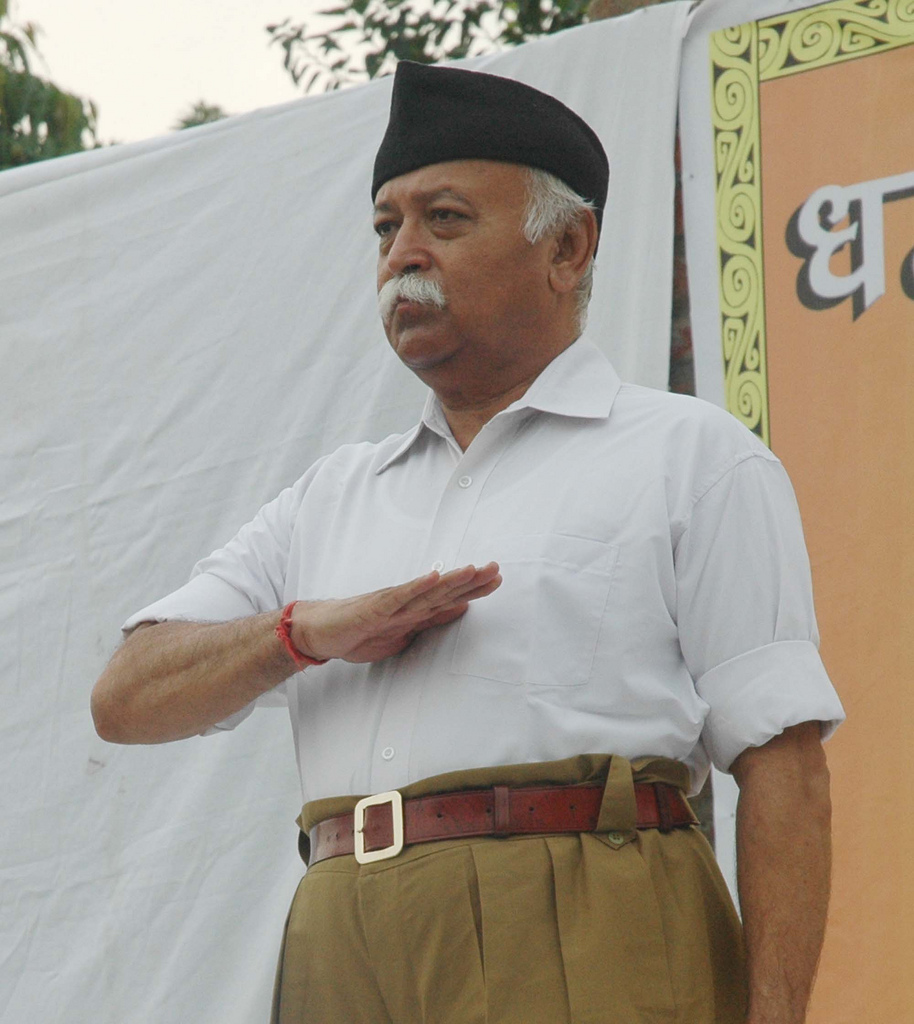
In a spirited rebuttal, RSS chief Mohan Bhagwat has categorically dismissed the Karnataka government's demand for the organisation's registration, calling it nothing more than 'politics'. Speaking at an event in Thrissur, Bhagwat made it clear that the Rashtriya Swayamsevak Sangh (RSS) has no need for formal registration as it already operates in the public eye.
The call for registration was put forth by Karnataka Home Minister Priyank Kharge, who sought to have the RSS disclose its legal status, funding sources, and expenditure. Bhagwat, however, was unmoved, asserting that such demands are part of a long-standing political narrative aimed at discrediting the RSS.
Historical Tensions
This latest episode is but a chapter in the ongoing saga between the RSS and various political factions in India. Historically, the RSS has been viewed with suspicion by some political entities, often accused of wielding disproportionate influence over the Bharatiya Janata Party (BJP). While the RSS maintains it is merely a cultural organisation dedicated to the promotion of Hindu values, its critics argue that it exerts significant political sway.
Bhagwat's comments underscore this tension, as he pointed out that the organisation operates openly, with its activities and objectives well-documented. "If anyone wants to make an effort," he said, "let them do that."
Legal and Political Ramifications
The demand for registration raises questions about the legal framework governing such organisations in India. While the RSS operates without formal registration, it is not unique in this regard. Many cultural and religious organisations function similarly, relying on public trust rather than bureaucratic oversight.
For the Karnataka government, pressing for registration could be seen as a move to regulate and perhaps curb the influence of the RSS. However, Bhagwat's staunch rejection suggests that any such attempts are unlikely to succeed without significant legal and public support.
As the debate continues, it remains to be seen how both sides navigate this complex interplay of politics and power. For now, Bhagwat's defiance appears to have set the tone for future engagements between the RSS and its political challengers.