NASA's Quantum Leap: Fifth State of Matter on the ISS
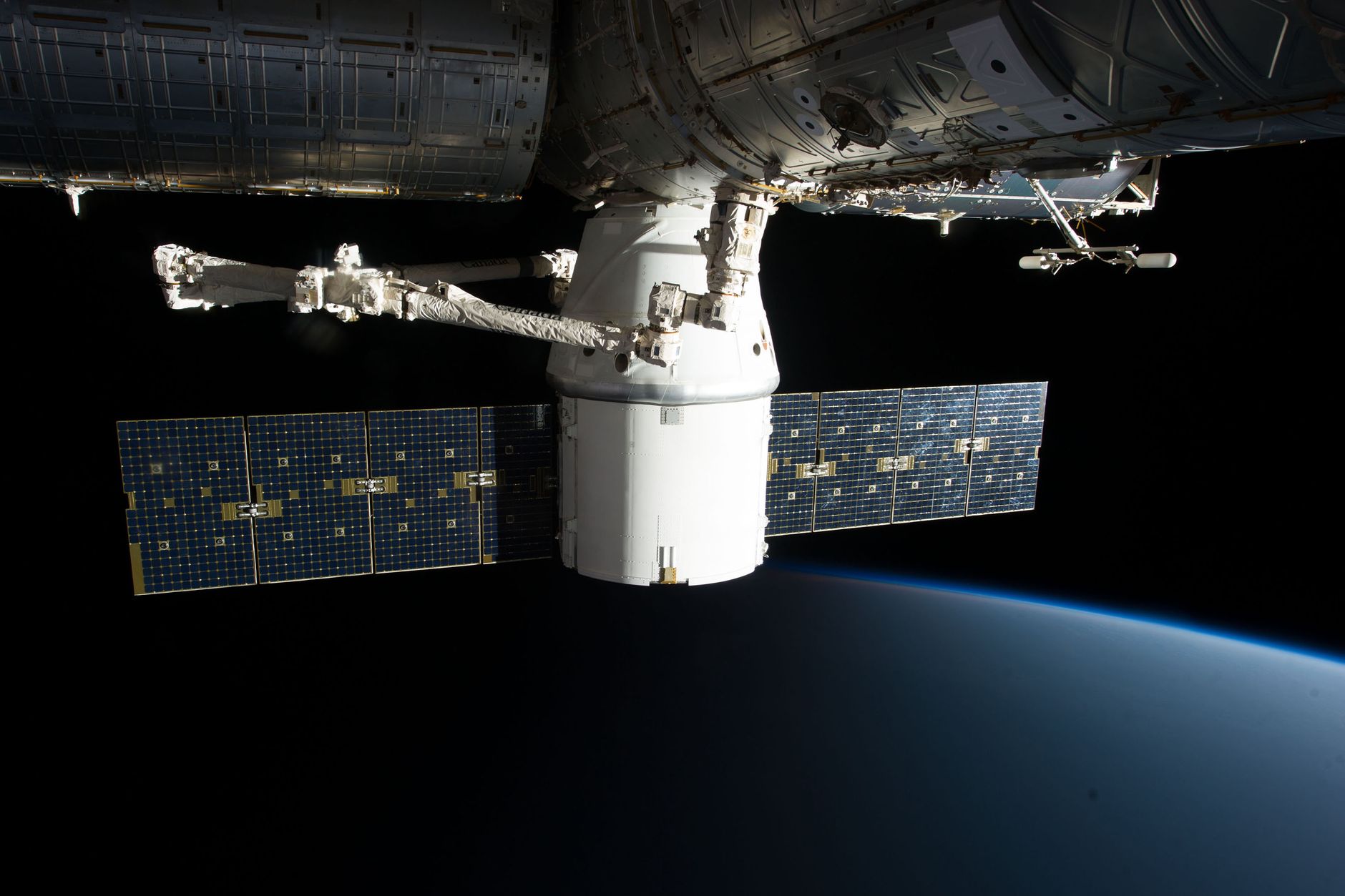
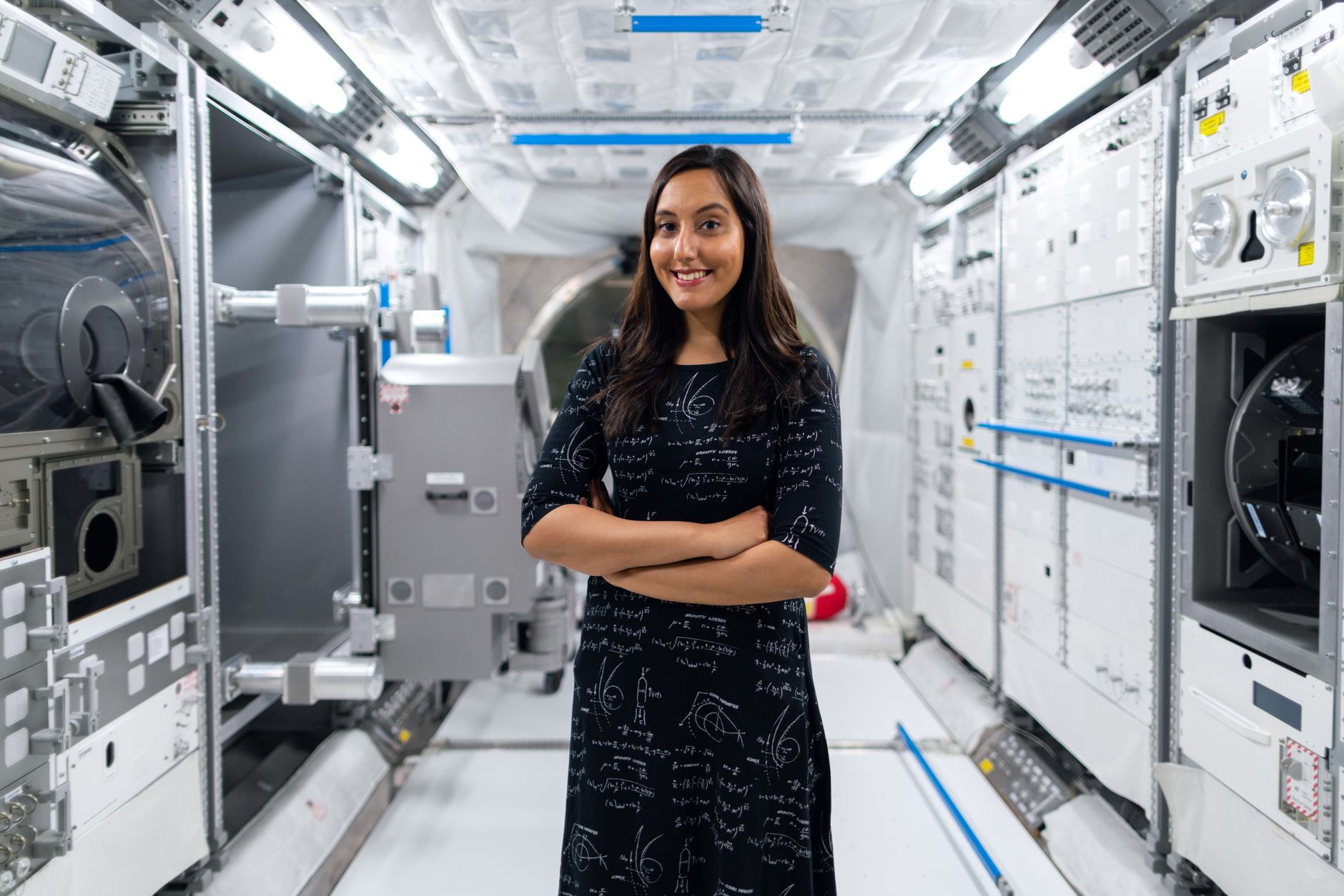
In the cold, silent corridors of the International Space Station (ISS), NASA has embarked on a groundbreaking journey. With the latest upgrade to its Cold Atom Lab, the agency is delving into the mysterious realm of the fifth state of matter, a feat previously unimaginable on Earth.
The Cold Atom Lab, no bigger than a typical mini-fridge, has become a powerhouse of quantum experimentation. By harnessing the unique microgravity environment of space, NASA has enabled the creation of a Bose-Einstein Condensate (BEC), a state where atoms coalesce into a single quantum entity. This ultra-cold matter, chilled to near absolute zero, offers scientists a rare glimpse into the quantum world, where particles behave in ways that defy classical physics.
A Quantum Frontier
The quest to explore BECs isn't just a scientific indulgence. These condensates hold the key to unlocking new quantum technologies, potentially revolutionising fields such as computing and navigation. The microgravity of the ISS allows for extended observation of BECs, providing insights that are simply unattainable on Earth, where gravity disrupts their delicate formation.
NASA's dedication to this project underscores its commitment to maintaining U.S. leadership in space-based quantum research. As Dr. Kamal Oudrhiri, a project scientist, noted, these advancements are not just about scientific exploration but about securing a future where quantum technologies play a pivotal role in everyday life.
Implications for the Future
While the creation of BECs in space is a marvel in itself, the implications are far-reaching. The insights gained from these experiments could lead to more efficient quantum computers, which promise to solve complex problems beyond the capability of today's machines. Additionally, the development of highly sensitive sensors and navigation systems could revolutionise everything from autonomous vehicles to space exploration.
In essence, NASA's work on the ISS is not merely about pushing the boundaries of physics but about laying the groundwork for a future where the quantum realm is a part of our technological landscape. As the Cold Atom Lab continues its research, the possibilities seem as vast as space itself.