NASA's Quantum Leap: New State of Matter Created on ISS
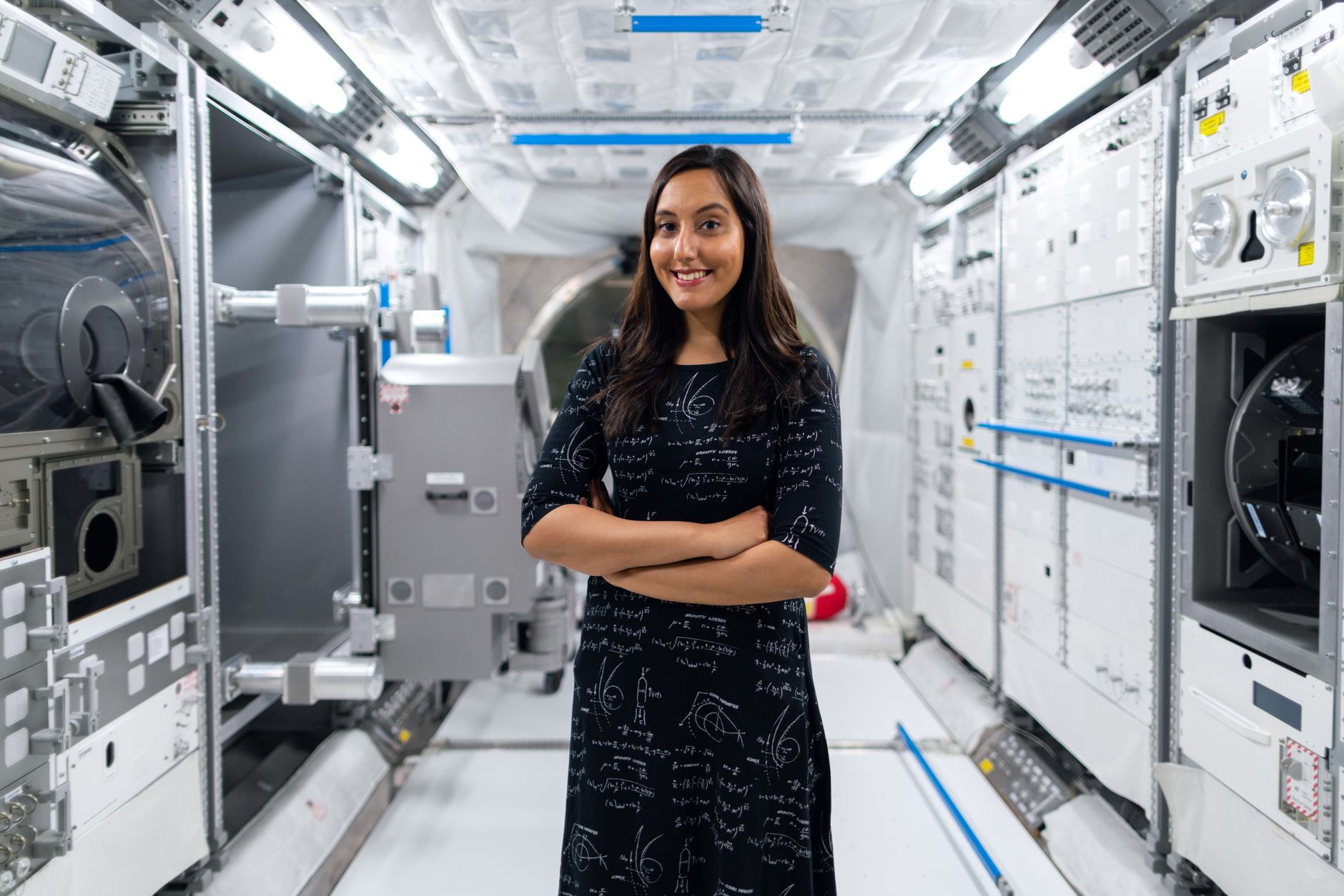
Floating 400 kilometres above us, the International Space Station (ISS) has always been a symbol of human ingenuity and collaboration. Now, it is the site of an extraordinary scientific feat. NASA's Cold Atom Lab, no larger than a mini-fridge, has been upgraded to create a fifth state of matter — the elusive Bose-Einstein condensates — in the microgravity of space.
This recent upgrade, the fourth since its installation in 2018, enhances the lab's capabilities to trap and measure ultra-cold atoms with unprecedented precision. This achievement is more than a technical triumph; it is a leap forward in our understanding of quantum mechanics.
A New Frontier in Quantum Physics
Bose-Einstein condensates are fascinating yet ephemeral. On Earth, they exist for fractions of a second. However, in the microgravity environment of the ISS, these states can be maintained long enough for detailed study. This opens a new frontier for physicists seeking to unravel the mysteries of quantum phenomena.
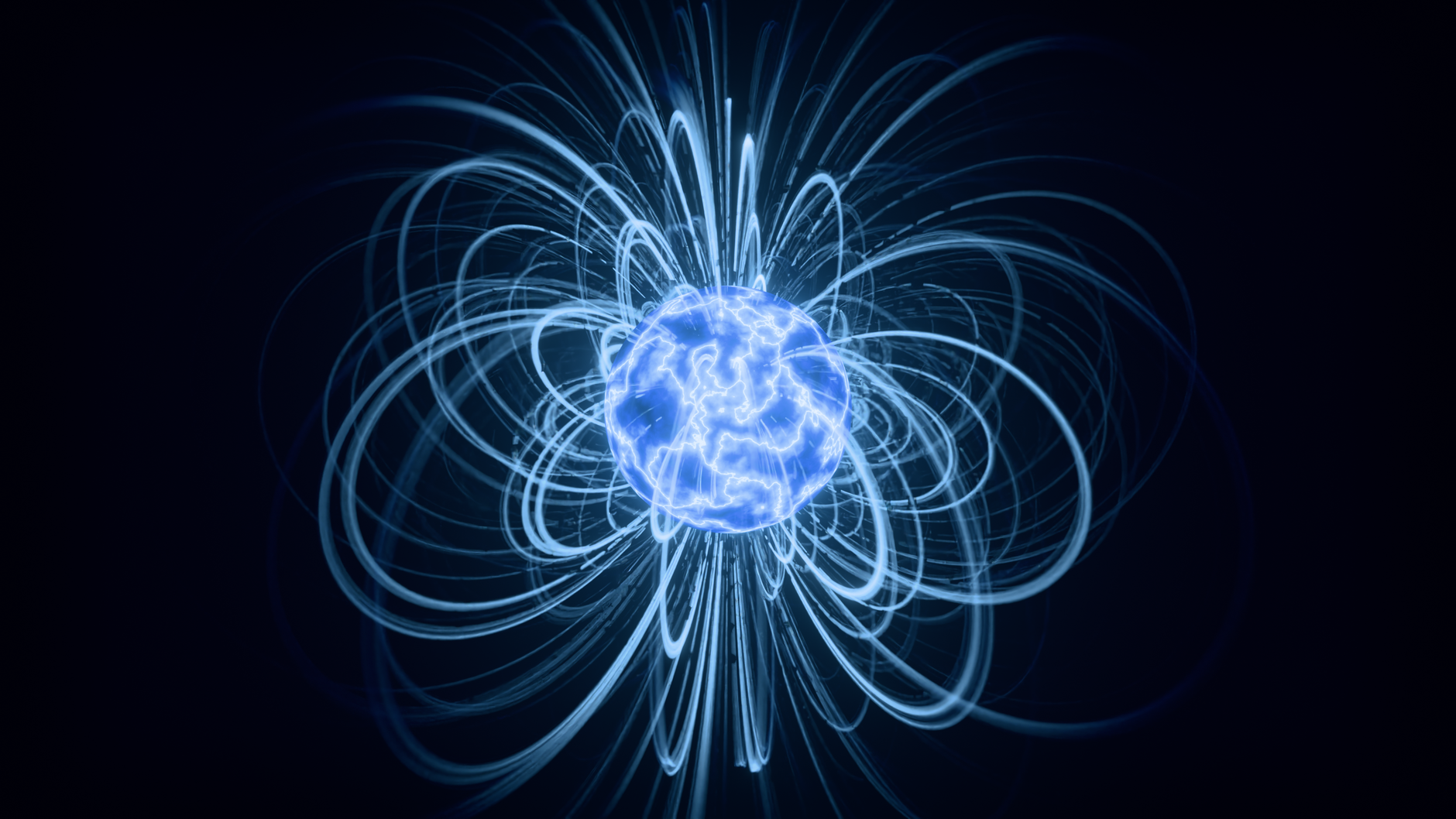
The upgraded lab allows scientists to manipulate and observe these exotic states, shedding light on the fundamental forces of nature, such as gravity and magnetism, in ways that terrestrial labs cannot. The implications for quantum technology and fundamental physics are profound.
Beyond the Lab: Implications for Science
Understanding these quantum states could revolutionise how we measure gravitational fields and magnetic forces, key to space exploration and technology development. This research holds the promise of unlocking new technologies that could shape the future of space travel and perhaps even lead to groundbreaking discoveries about the universe itself.
As NASA continues to push the boundaries of what is possible, the Cold Atom Lab's success is a reminder of the remarkable achievements that can arise from international cooperation and scientific curiosity. The ISS, a beacon of human potential, is once again proving its worth as a laboratory like no other.