NASA's SunRISE to Soar Aboard SpaceX's Falcon Heavy
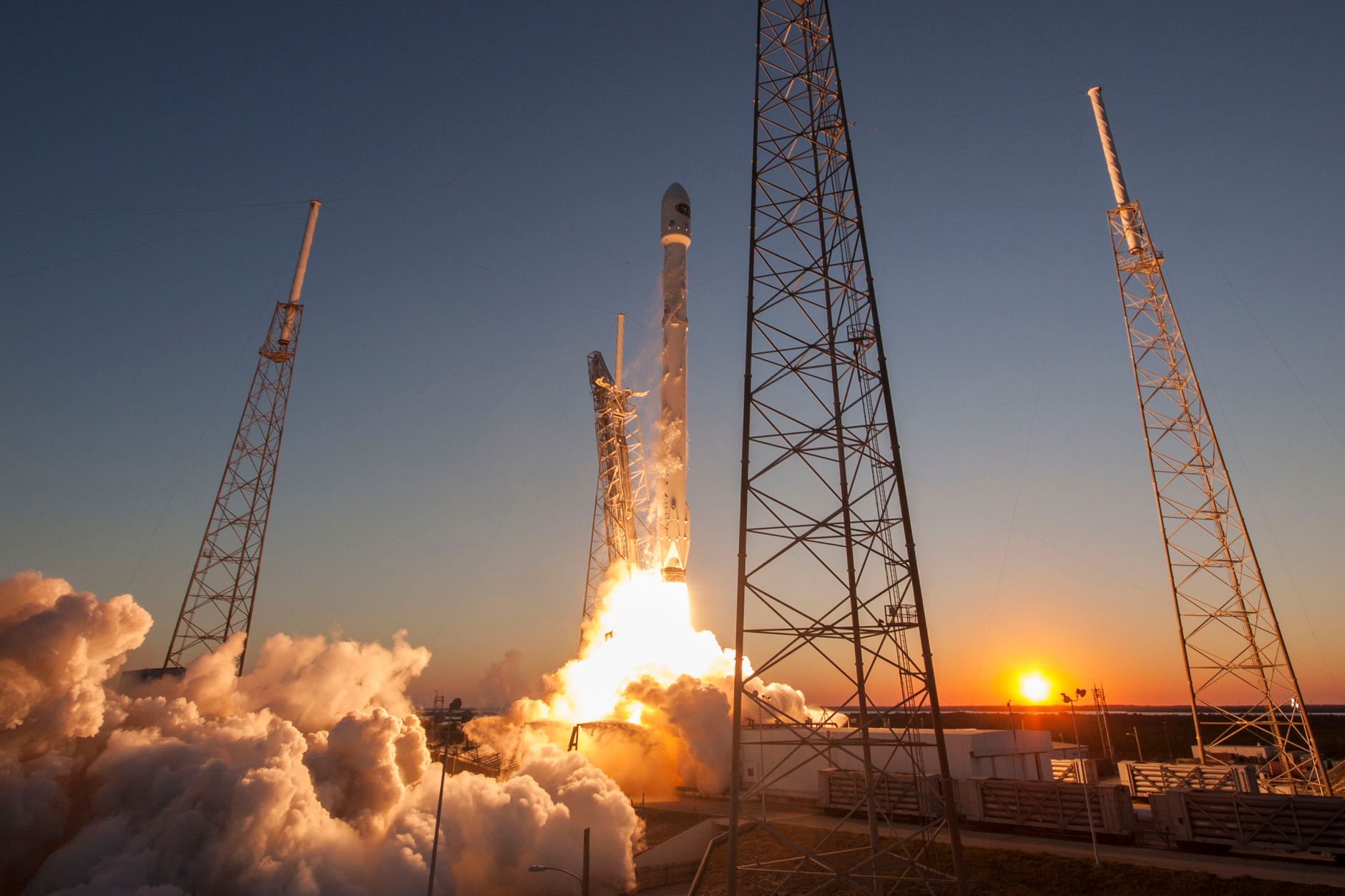
NASA's SunRISE mission, a bold venture to study the sun's radio emissions, has switched its launch vehicle to the SpaceX Falcon Heavy. Originally slated to embark aboard the United Launch Alliance's (ULA) Vulcan Centaur, the mission's change of transport marks a notable shift in NASA's launch strategy. The decision was announced by NASA amidst growing anticipation for the mission's contribution to solar research.
The Sun Radio Interferometer Space Experiment, or SunRISE, aims to unravel the secrets of solar particle storms using an array of six CubeSats. These small satellites will work in concert to produce detailed 3D maps of the sun's radio signals, potentially offering crucial insights into space weather phenomena that can impact Earth's technological infrastructure.
The Falcon Heavy Advantage
SpaceX's Falcon Heavy, renowned for its impressive lift capacity and reliability, presents a compelling alternative. With its ability to carry heavy payloads into orbit, the Falcon Heavy is well-suited for the demands of the SunRISE mission. The rocket's utilisation of Merlin engines, which burn rocket-grade kerosene and liquid oxygen, allows it to achieve the necessary thrust and endurance for such a mission.
NASA's choice reflects a broader trend of increasingly opting for SpaceX's services, which have been consistently cost-effective and reliable. This change not only underscores SpaceX's growing foothold in the space launch market but also highlights the flexibility and adaptability required in space exploration programmes.
Implications and Future Prospects
While the specific launch date for SunRISE has yet to be finalised, the transition to Falcon Heavy is expected to impact the mission's logistics. This development raises questions about the timelines and preparatory measures, with NASA executives assuring stakeholders that an updated schedule will be released soon.
As the SunRISE mission prepares for its new voyage, the shift to Falcon Heavy is more than a mere logistical adjustment. It is a testament to the dynamic nature of space exploration, where adaptability and innovation are as crucial as the missions themselves. Observers and enthusiasts alike will watch keenly as NASA and SpaceX continue to chart new courses in the cosmos.