NASA's Webb Telescope Unveils Cosmic Secrets of Centaurus A
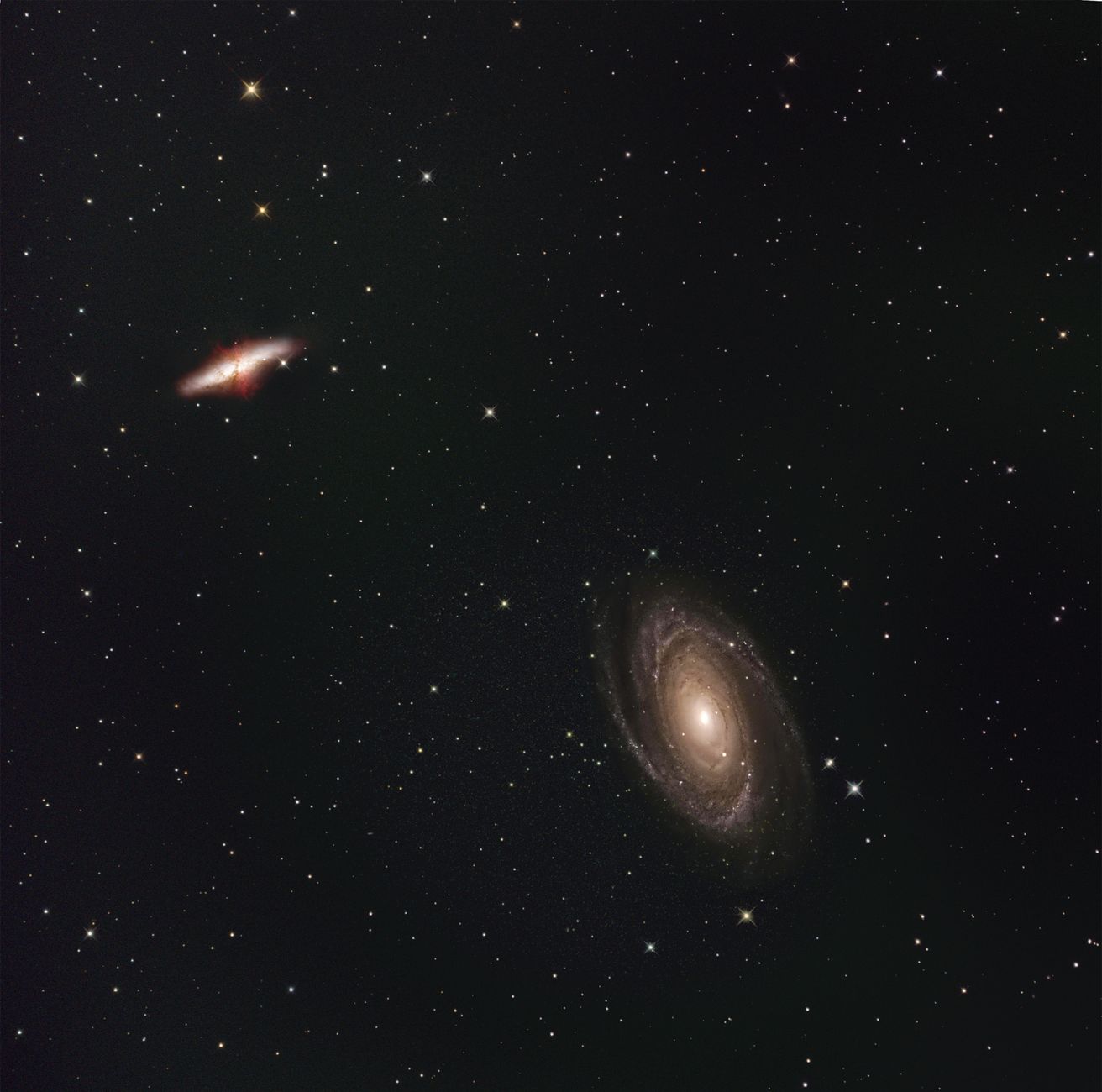
In the ever-expanding theatre of the cosmos, NASA's James Webb Space Telescope has once again stolen the spotlight, offering a new perspective on a well-studied galaxy. Centaurus A, a staple in the catalogue of astronomers, has been illuminated in a fresh light thanks to Webb's unparalleled infrared capabilities. Cutting through the thick lanes of dust that have historically obscured its central core, the telescope has unveiled a densely packed tapestry of stars and celestial activity.
Located approximately 13 million light-years away in the constellation of Centaurus, this galaxy has long intrigued scientists with its peculiar shape and active galactic nucleus. The recent images captured by Webb serve as a testament to the telescope's extraordinary sensitivity and precision, revealing structures that hint at a tumultuous past marked by cosmic collisions.
A Milestone in Galactic Observation
These images mark the fourth science anniversary of the telescope, underscoring its better-than-anticipated performance. The findings are not mere aesthetic wonders; they provide critical insights into the processes that drive galactic evolution. Cosmic collisions, it appears, play a pivotal role in shaping galaxies, influencing everything from star formation to the distribution of cosmic material.
Dr. Alyssa Pagan, from the Space Telescope Science Institute, remarked, "The intricacies unveiled by Webb enable us to piece together the history of such galaxies in unprecedented detail." The mid-infrared view highlights not only the stars but also the hidden activity within the galaxy, suggesting ongoing dynamic processes.
Why It Matters
Understanding the mechanics of galactic evolution has implications far beyond academic curiosity. It can shed light on the origins of our own Milky Way and the potential future of galactic structures. As telescopes like Webb continue to peel back the layers of the universe, the mysteries of space become ever more accessible, turning once abstract concepts into tangible scientific inquiries.
As the Webb telescope continues its mission, the astronomy community eagerly anticipates further revelations. With each new image, the universe seems to grow a little smaller, and our understanding, a little larger.