Navigating Health Challenges: From Ammonia Leaks to Disease Outbreaks
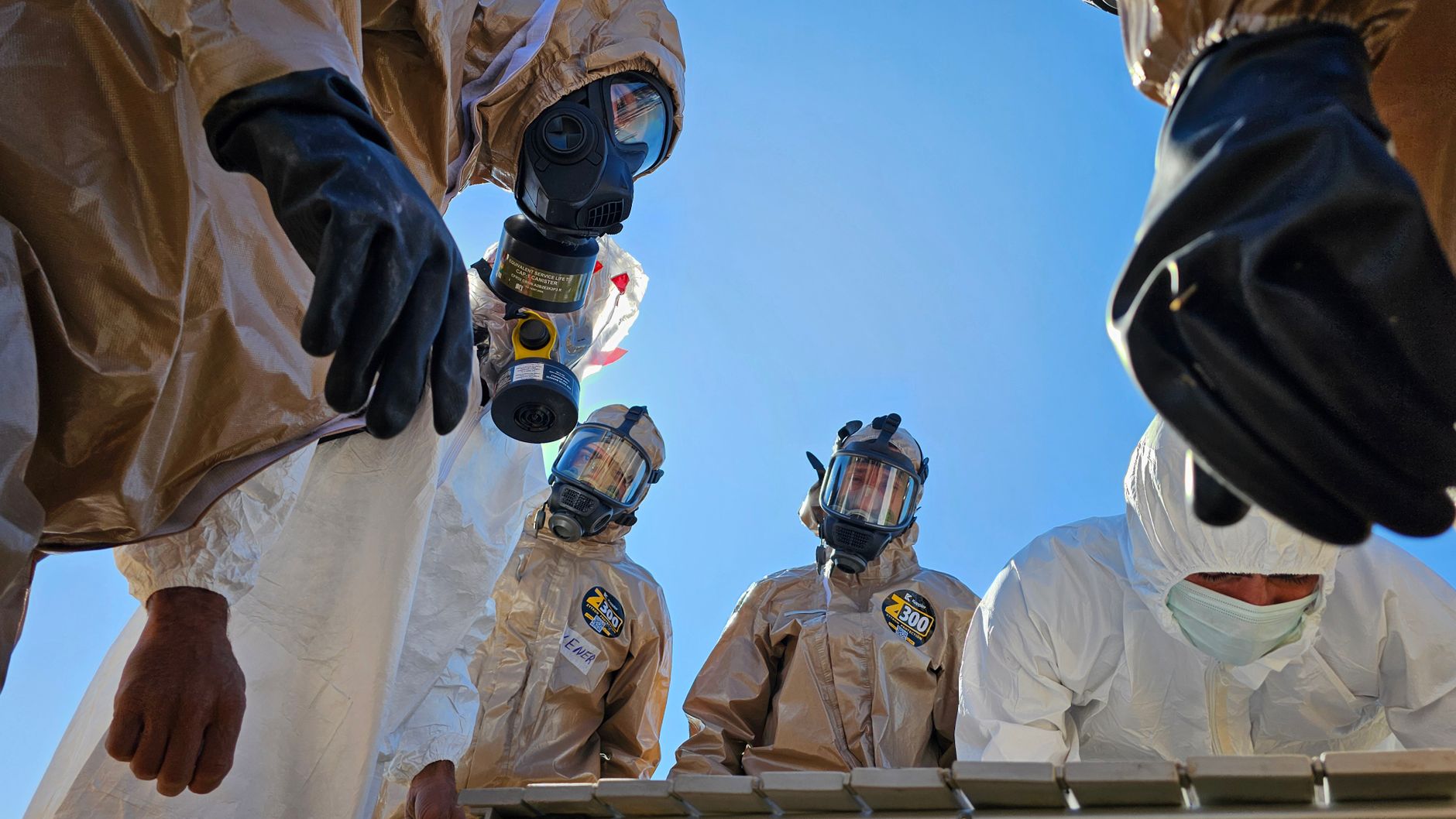
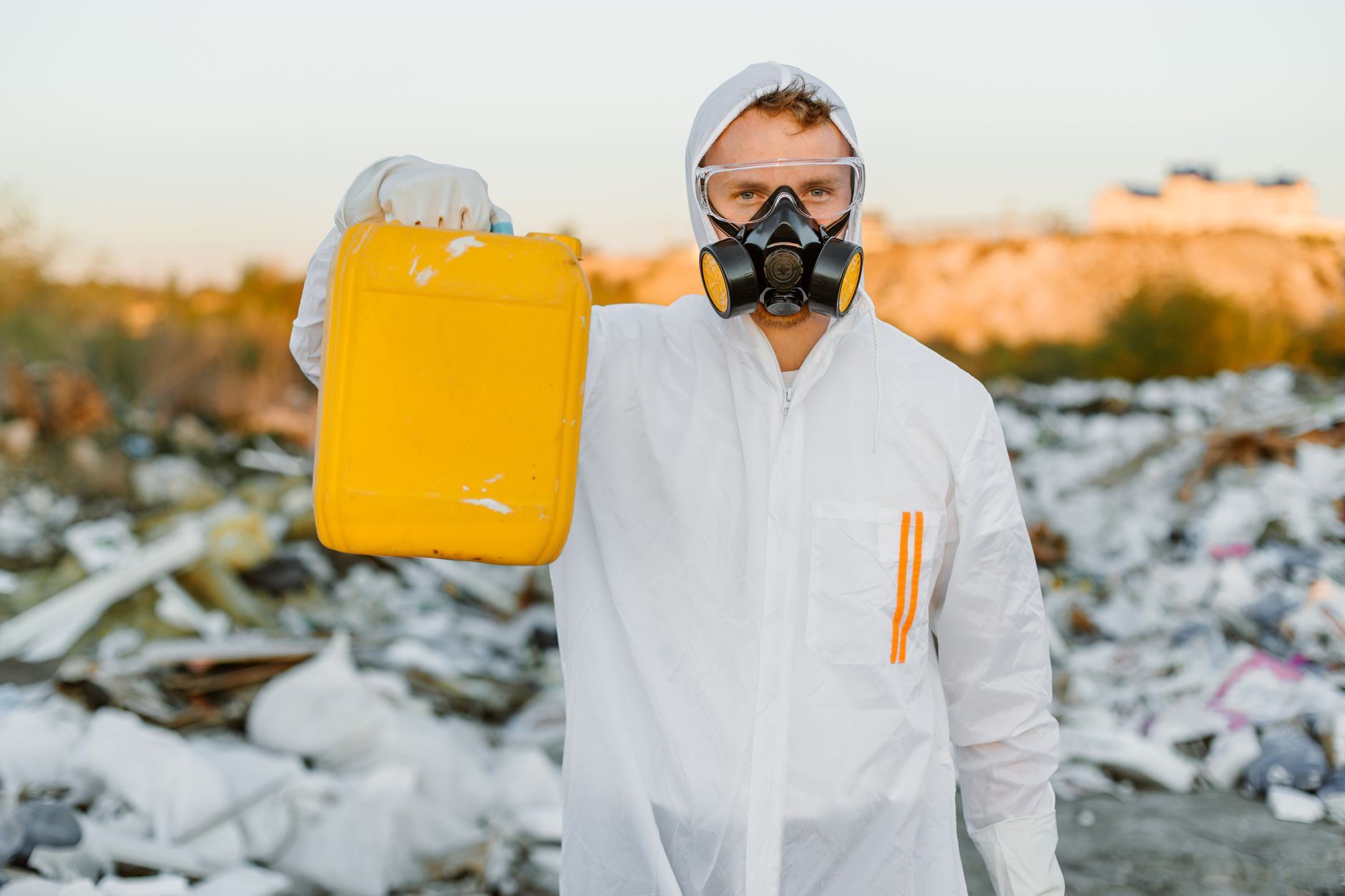
In a world grappling with an array of health challenges, the recent ammonia leak serves as a stark reminder of the environmental hazards that can swiftly escalate into major public health crises. The incident raises questions about the preparedness of our healthcare systems to respond to such emergencies, particularly as they contend with an ageing population and evolving healthcare needs.
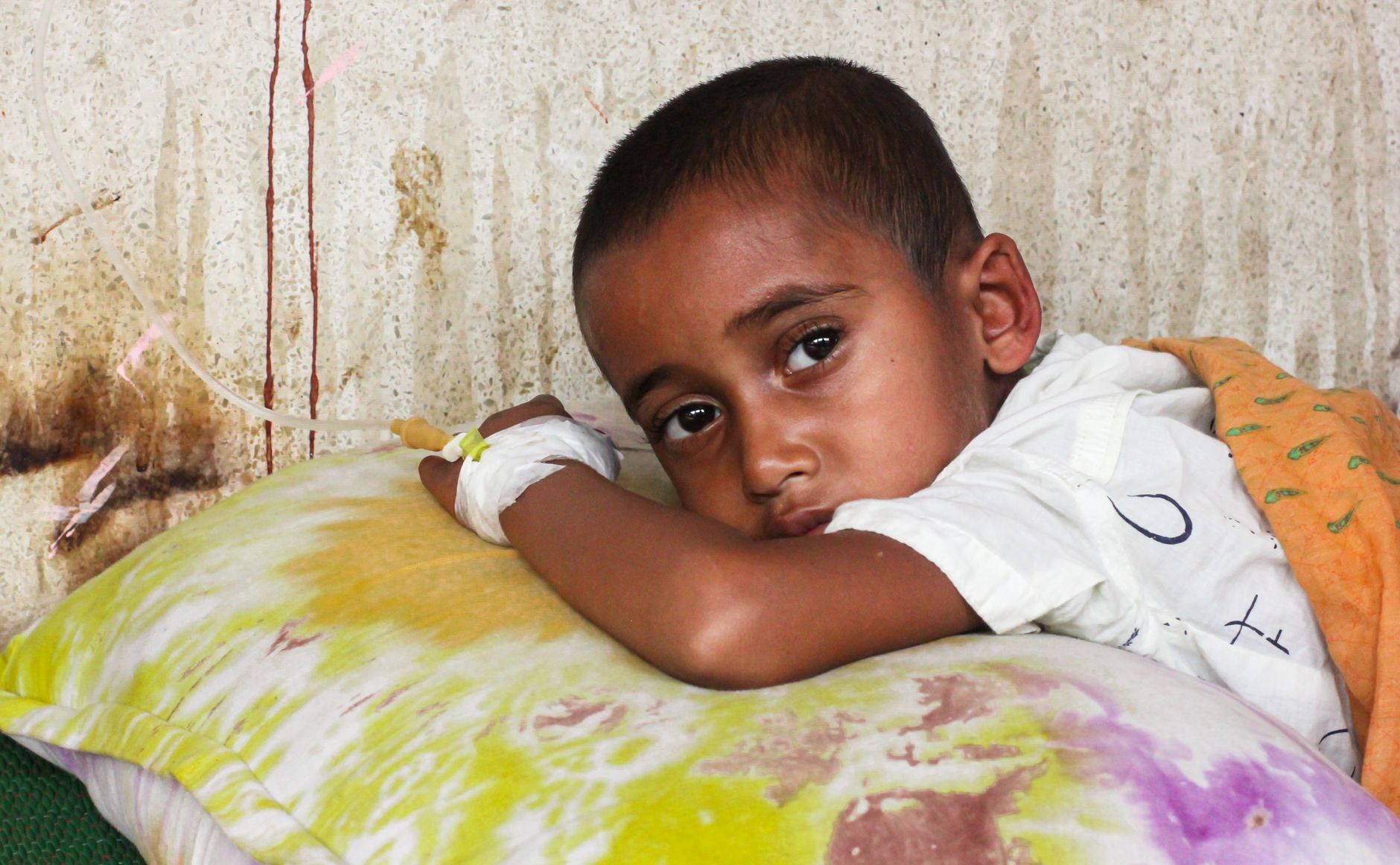
Meanwhile, the spectre of infectious diseases continues to loom large. With the ongoing Ebola outbreak in the Democratic Republic of the Congo and Uganda, coupled with alarming new data showing record levels of STIs across Europe, it's evident that global health threats are not confined to one region or type of illness. The sharp rise in gonorrhoea and syphilis cases points to gaps in testing and prevention efforts, underscoring the necessity for robust healthcare reforms.
Healthcare Reforms: A Pressing Need
In response to these challenges, nations are being urged to rethink their healthcare strategies. The focus is increasingly on integrating rehabilitation and prevention into the healthcare framework, ensuring that systems are not only reactive but also proactive in addressing potential threats. The United States, for instance, has pledged to support Tanzania's health priorities through expertise in pharmaceuticals and health technology, signalling a move towards a more collaborative global health approach.
Moreover, the recent USJCMSP International Conference highlighted the importance of research collaboration across human, animal, and environmental health sectors. Such initiatives are crucial as they enable countries to share knowledge and resources, enhancing their ability to combat emerging health threats.
Prevention and Rehabilitation: Key Pillars
As healthcare systems worldwide adapt to these pressing challenges, the role of prevention and rehabilitation cannot be overstressed. These elements are vital in reducing the burden on healthcare facilities and ensuring a healthier population. By investing in preventive measures and effective rehabilitation programmes, countries can mitigate the impact of both environmental hazards and infectious disease outbreaks.
The road ahead for global health is undeniably complex, yet the convergence of expertise and resources offers hope. As nations navigate this intricate landscape, the lessons learned from current challenges will undoubtedly shape the future of healthcare, driving it towards a more resilient and responsive paradigm.