NCPI Founder Discovers TMC Merger via Social Media
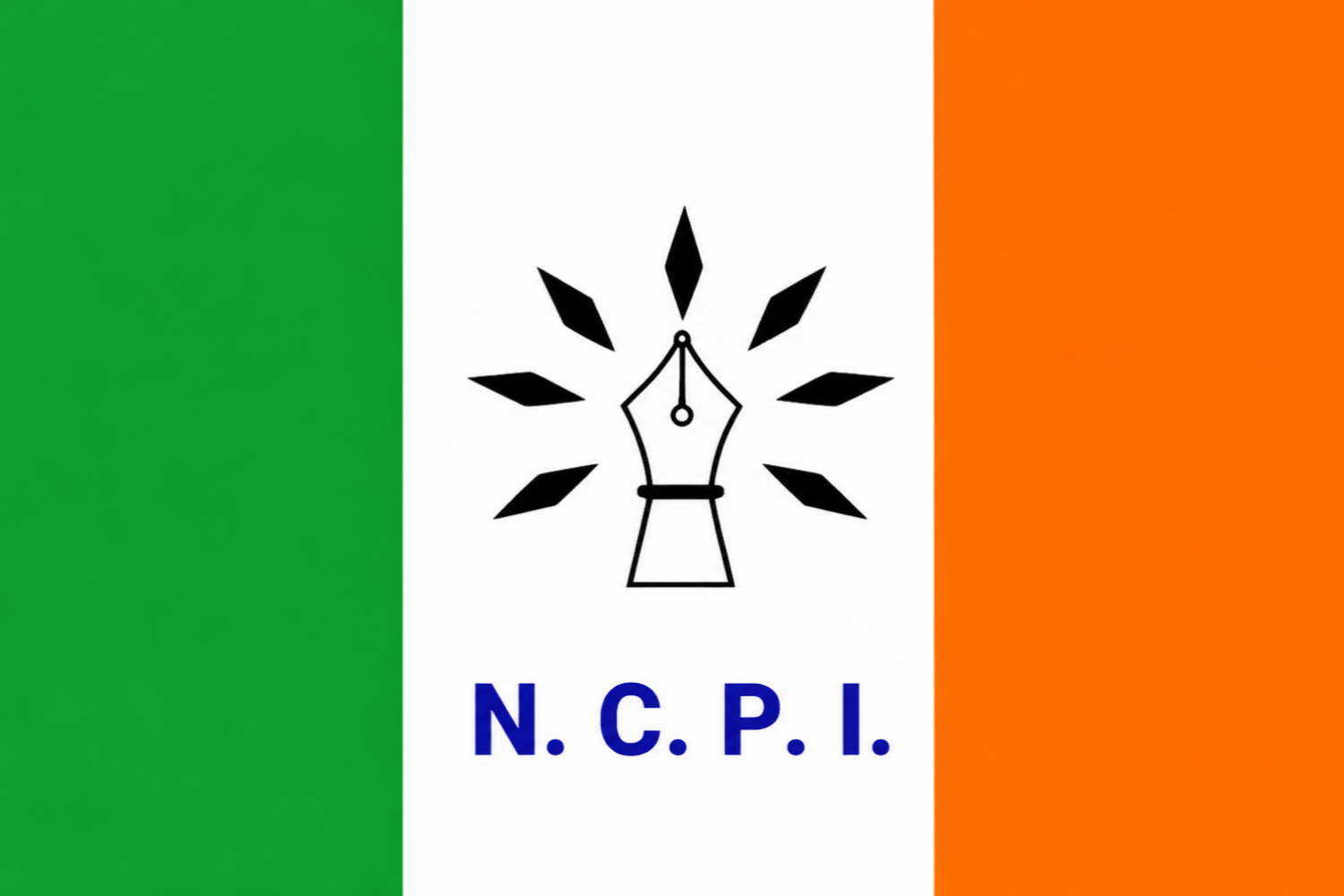
In an era where news travels at the speed of light, the founder of the National Congress Party of India (NCPI) found himself at the receiving end of a digital revelation. The party leader, whose identity is synonymous with traditional political machinations, was caught off guard when he discovered that several Trinamool Congress (TMC) Members of Parliament had decided to merge with his party. The source of this information? Not a confidential briefing or a strategic meeting, but social media.
This revelation raises eyebrows about the current state of communication within Indian political parties. The fact that such significant political manoeuvres are learnt through platforms typically associated with public discourse rather than private counsel suggests a shift in how political strategies are shared—or not shared—among key stakeholders.
Unprecedented Political Dynamics
The NCPI founder's reliance on social media for such pivotal news underscores the evolving dynamics of political alliances in India. Once a bastion of close-knit circles and inner-party discussions, Indian politics now appears to be embracing a more open, albeit chaotic, form of communication. The implications of this shift are profound. It suggests a potential erosion of trust within party ranks and highlights the increasing influence of social media in shaping political narratives.
Moreover, this incident may prompt a re-evaluation of leadership strategies. If party leaders are learning about alliances and mergers through public forums, the question arises: who is truly in control of these decisions? Are traditional power structures being bypassed in favour of more populist approaches?
Implications for Political Alliances
The merger of TMC MPs with the NCPI, while significant in its own right, serves as a microcosm of the larger shifts occurring within India's political landscape. It reflects the fluid nature of political loyalties and the constant renegotiation of power among India's myriad political entities.
As the NCPI navigates this new political terrain, the role of digital platforms in political strategy will likely come under scrutiny. Leaders may need to adapt to ensure they are not outpaced by the very media that now informs public perception.
In conclusion, while social media has democratised information dissemination, it has also introduced unpredictability into political processes. For the NCPI founder, the lesson is clear: in today's interconnected world, staying ahead of the news cycle might just mean keeping an eye on one's social media feed.