NEET 2026 Debacle Unveils Deeper Cracks in India's Education System
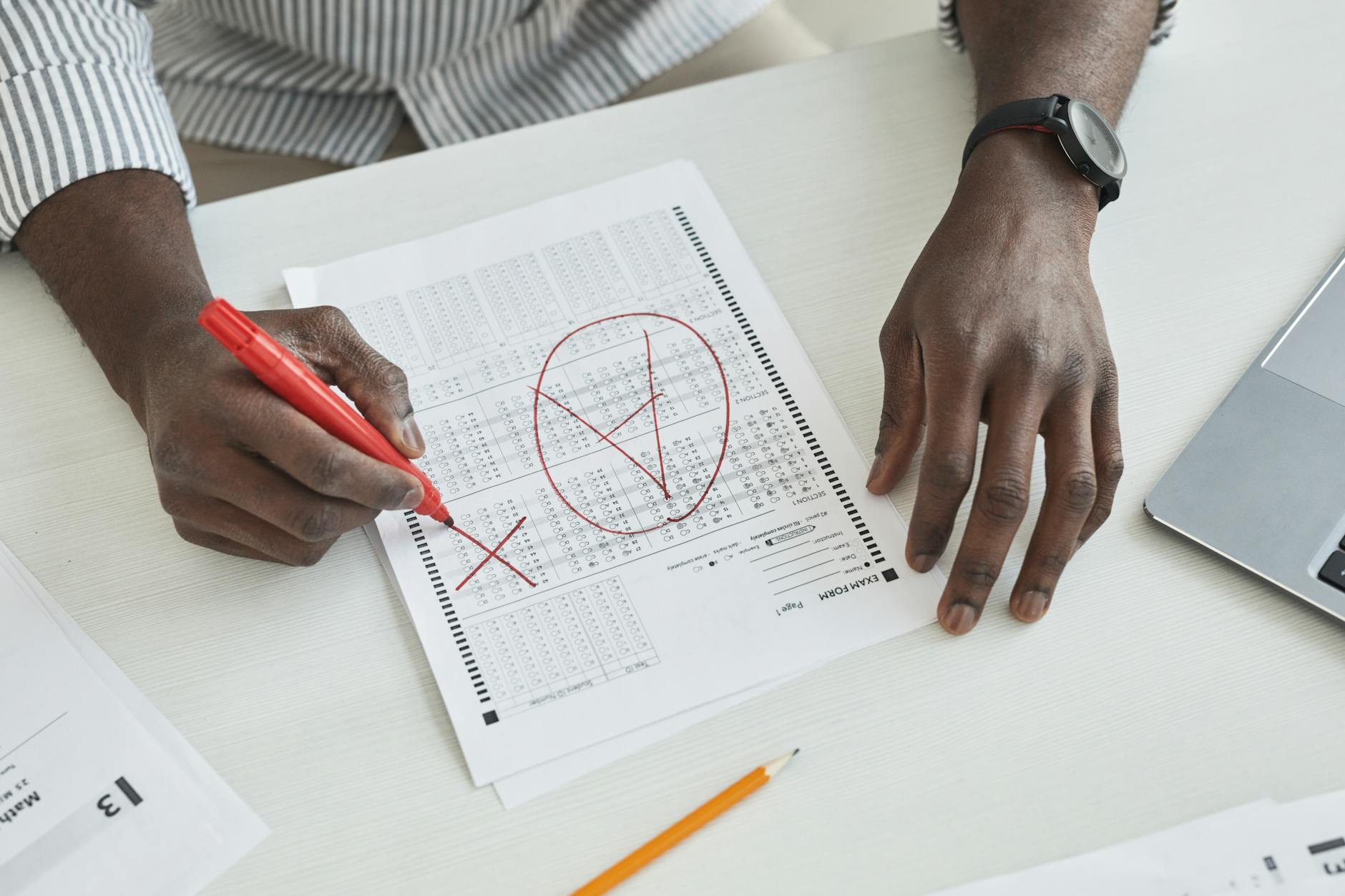
In a development that has sent shockwaves through India's academic landscape, the National Eligibility cum Entrance Test (NEET) for undergraduate medical courses in 2026 has been cancelled, following allegations of a paper leak. This abrupt decision has left over 22 lakh aspiring doctors in limbo, prompting a national debate on the efficacy and fairness of the country's examination system.
The NEET-UG 2026, conducted on May 3, seemed to conclude smoothly for the students who had spent months, if not years, preparing for this pivotal test. However, the revelation of a leaked 'guess paper' bearing uncanny similarities to the actual exam questions has thrown the legitimacy of the test into question, leading to its annulment by the National Testing Agency (NTA).
Yuvraj Singh, a hopeful NEET aspirant, expressed the emotional toll of this decision, describing it as 'mental trauma'. For students like him, who adhered to rigorous study schedules, the cancellation feels like an unfair punishment. 'We worked hard, hoping for a fair chance, and now it's all in vain,' he lamented.
Systemic Failures and Political Repercussions
The Congress party has been quick to seize upon the issue, accusing the BJP-led government of presiding over a systemic collapse that allows paper leak rackets to thrive. The Opposition claims that repeated instances of examination irregularities are indicative of deeper issues plaguing India's education system.
In Rajasthan, particularly in coaching hubs like Kota, Sikar, and Jaipur, the response has been one of anger and disillusionment. Students and parents alike are demanding accountability and reforms to prevent such debacles in the future. The call for transparency and better management of competitive exams is growing louder, with many insisting that the NTA needs to be overhauled.
The Road Ahead: Reform or Regress?
This incident has reignited discussions on the need for educational reforms in India. Experts suggest that technological advancements in exam processes could mitigate the risk of leaks. However, there's also a pressing need to address the root causes of systemic failures, which include corruption and inadequate oversight.
For now, students are left in a state of uncertainty, waiting for a resolution and hoping for a re-examination that upholds fairness and integrity. As the dust settles, the NEET 2026 cancellation serves as a stark reminder of the cracks in India's educational edifice, urging policymakers to act decisively to restore trust in the system.