NEET Re-exam Controversy: Officials to Face Parliamentary Scrutiny
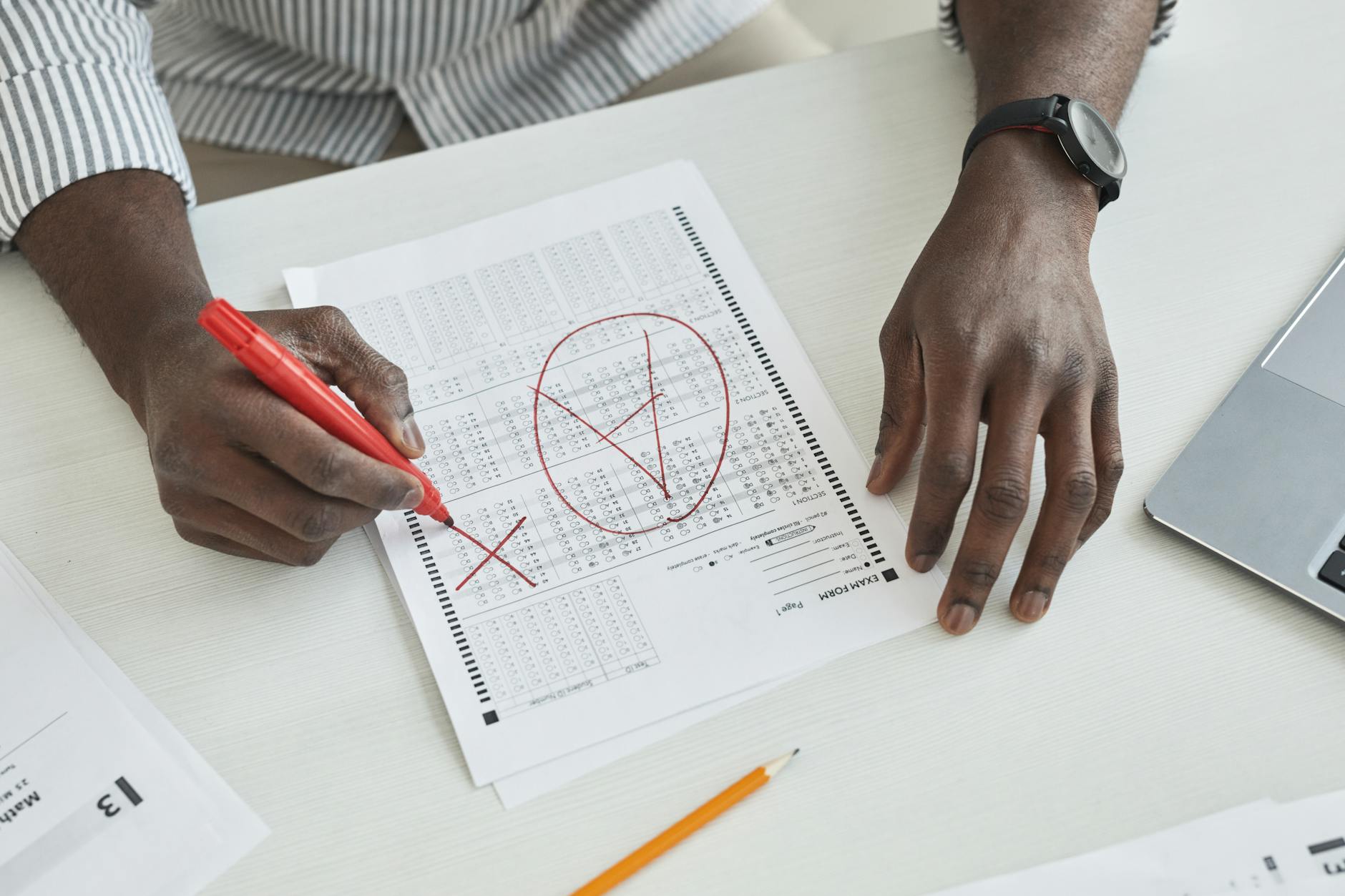
As the clock ticks towards another NEET re-examination, the air is thick with tension and anticipation. Officials from the Ministry of Health, National Testing Agency (NTA), and the National Medical Commission (NMC) are expected to be grilled by a parliamentary panel tomorrow. The summons follows troubling allegations of a paper leak, which have cast a long shadow over the integrity of one of India's most crucial medical entrance exams.
The parliamentary panel is not pulling any punches. It has demanded a detailed account of what constitutes a 'paper leak', a term that has been bandied about with alarming frequency. The NTA, in particular, is under scrutiny for its handling of the controversy and the reforms it has implemented since. The panel's inquiry extends beyond the immediate concerns of NEET, probing into broader issues of examination integrity and the mechanisms in place to prevent such lapses.
Since the enactment of the National Commission for Homeopathy Act in 2020, NEET has expanded its ambit to include admissions for courses such as BHMS. This expansion has only heightened the stakes and the scrutiny. The parliamentary panel's upcoming session is expected to be a pivotal moment in addressing systemic issues that have plagued the examination process for years.
Reforms and Accountability
The panel's focus on reforms is particularly noteworthy. It seeks assurances from the NTA and the Education Ministry that the irregularities of the past will not be repeated. Key questions revolve around the robustness of the current examination system and what steps have been taken to fortify it against future breaches.
While the NTA claims to have bolstered its security measures, including enhanced surveillance and secure paper management protocols, scepticism remains. Critics argue that these measures are reactive rather than proactive, more a patchwork than a comprehensive overhaul.
The Road Ahead
As the panel prepares to delve into these pressing issues, the broader question looms large: can the NEET examination process be salvaged and its credibility restored? For many aspiring medical students, this is not just an academic query but a matter of their futures. The outcome of tomorrow's session could very well dictate the course of India's medical education landscape for years to come.
In a system where trust is paramount, the onus is on these officials to offer not just explanations but solutions. The parliamentary panel's verdict will serve as a litmus test for the reforms proposed and the commitment of the involved parties to uphold educational integrity.