NEET Re-Exam: Paper Setters in Isolation to Prevent Leaks
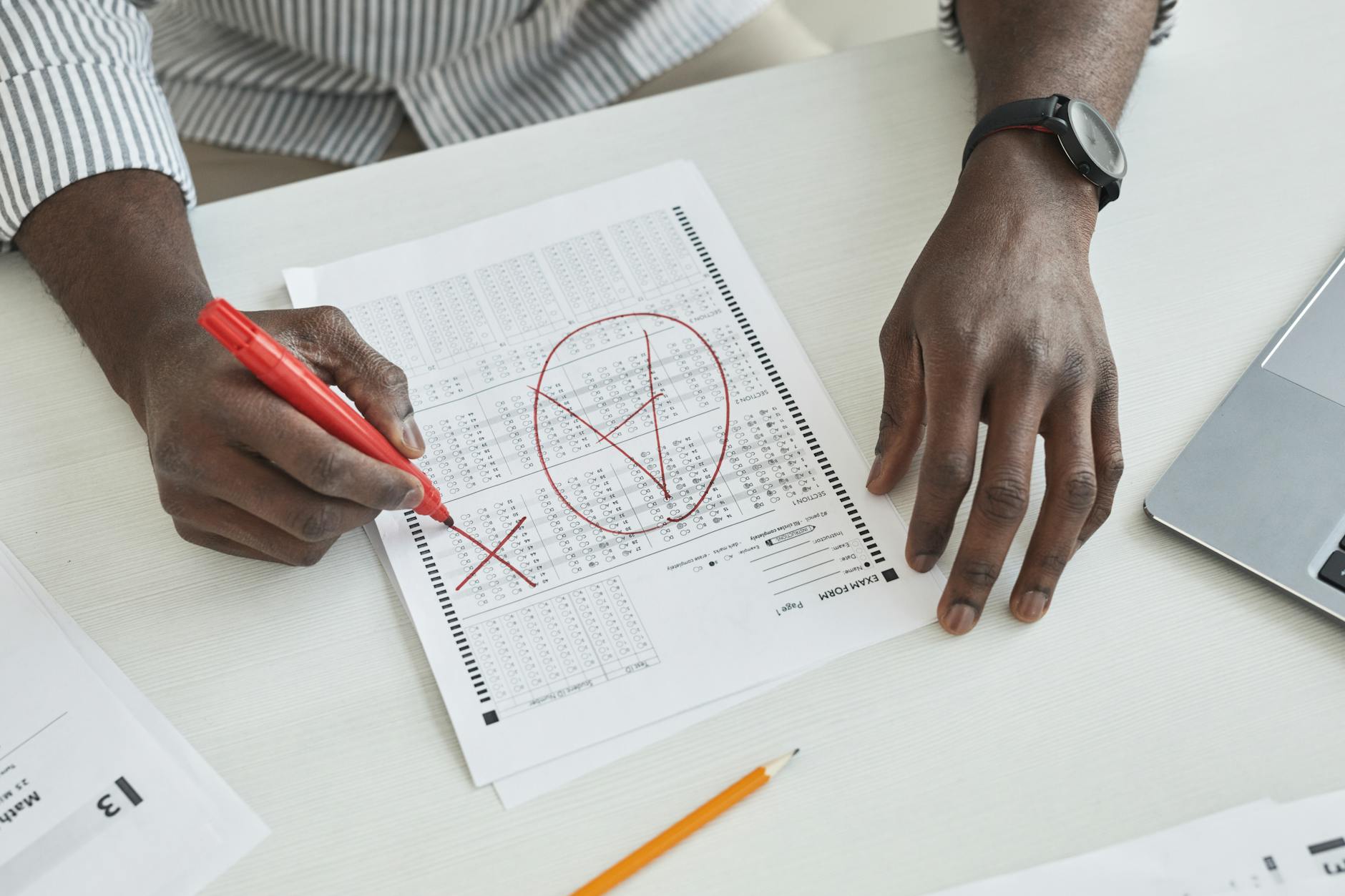
In a bid to safeguard the integrity of one of India's most competitive entrance exams, the NEET 2026 re-exam paper setters have been placed under strict isolation. Locked away in a secure facility, these educators and subject experts have been stripped of any digital means of communication, a move designed to prevent any potential leak of the examination content.
The decision to isolate the paper setters until the examination's conclusion on 21 June stems from a previous controversy involving allegations of a paper leak. Such claims have cast a long shadow over the credibility of the NEET exams, compelling authorities to adopt unprecedented security measures.
The Rationale Behind Isolation
Officials have characterised the isolation as the initial layer in a comprehensive framework to secure the examination process. By severing contact with the outside world, the risk of unauthorised information dissemination is significantly reduced. While extreme, this method underscores the stakes involved, as NEET serves as a crucial gateway for aspiring medical students in India.
The re-exam will be conducted in pen-and-paper mode across 551 cities, a logistical challenge in itself. Yet, the emphasis remains firmly on maintaining the exam's integrity, even if it means imposing such austere conditions on the individuals tasked with crafting the questions.
Looking Ahead
Beyond the isolation of paper setters, the authorities have implemented a multi-layered security protocol for the NEET re-exam. This includes heightened surveillance at examination centres and stringent checks to thwart any malpractice. The aim is not merely to respond to past controversies but to forge a robust system that can withstand scrutiny and instil confidence in the examination process.
As the exam date approaches, the education sector watches keenly. Success in these endeavours could define future strategies for securing high-stakes examinations in India, while failure might demand even more drastic reforms.