Neon Chief Criticises Tech's Influence on Entertainment Industry
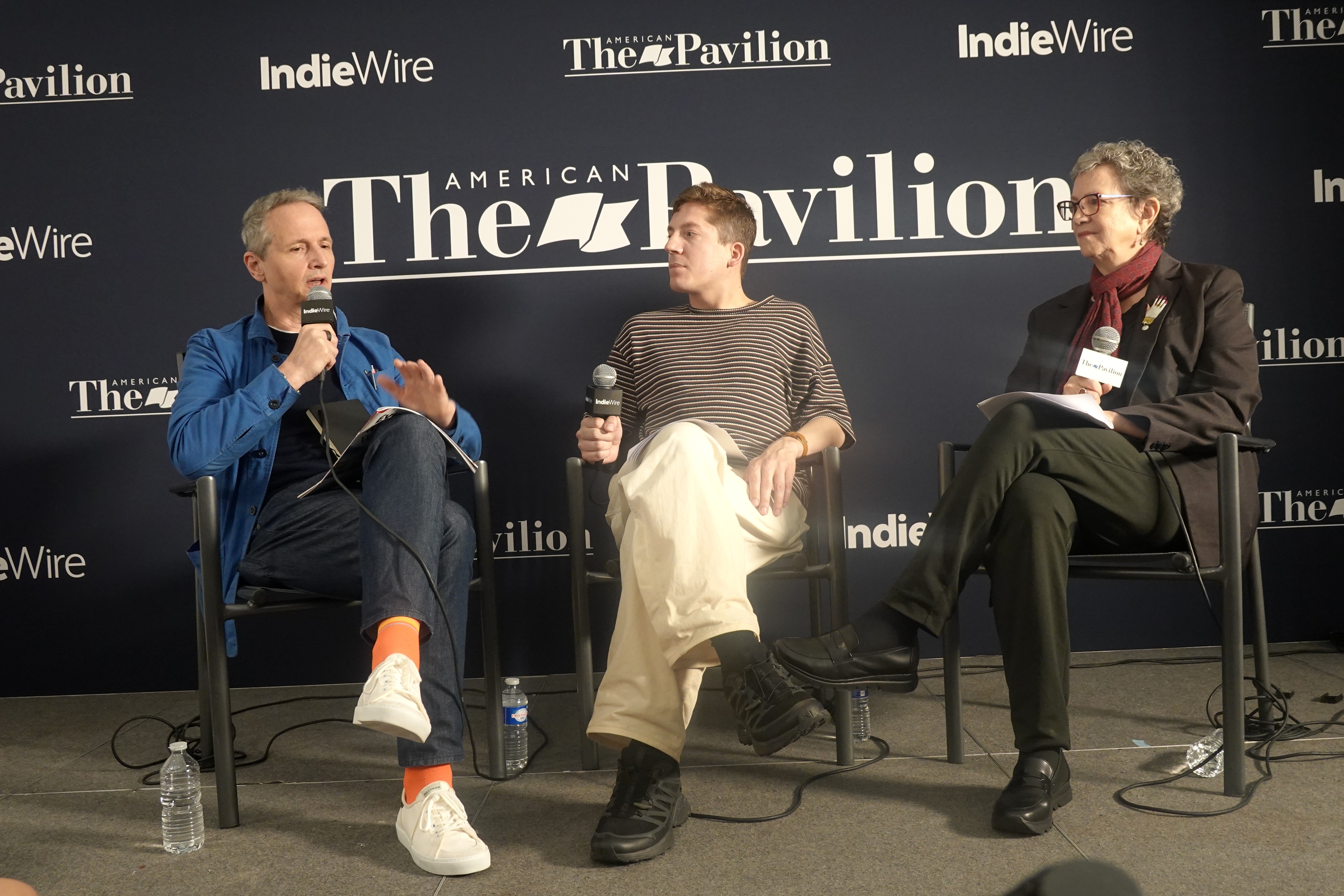
At a recent Hollywood conference, Tom Quinn, the head of the independent film distributor Neon, delivered a stark warning about the 'Uberisation' of the entertainment industry. His remarks, tinged with concern, drew parallels between the seismic shifts in how people consume media and the disruption seen in the taxi industry with the advent of ride-sharing apps.
Quinn, known for championing films that defy conventional narratives, expressed unease at the increasing dominance of technology-driven platforms in entertainment. 'We're at risk of prioritising convenience over creativity,' he cautioned, adding that the traditional models of storytelling could be overshadowed by algorithms and data-driven decisions.
Creativity vs. Convenience
In his speech, Quinn argued that the relentless push for efficiency might lead to a homogenisation of content, where uniqueness and artistic integrity are sacrificed at the altar of market demands. He pointed to the success of films that take risks and challenge audiences, questioning whether such projects would find a place in a world dictated by metrics.
This 'Uberisation', as Quinn described, signifies a broader trend where creativity is increasingly quantified. With streaming giants investing heavily in data analytics to tailor content to viewers' preferences, the fear is that creative decisions might be driven more by algorithms than by artistic vision.
The Role of Technology
Quinn's comments come at a time when the entertainment sector is grappling with rapid technological advancements. While technology has undeniably expanded the reach and accessibility of content, it has also sparked debates on its impact on the quality and variety of media available.
With the rise of streaming platforms, the traditional cinema experience is undergoing a transformation. However, Quinn remains optimistic about the resilience of the film industry, championing the belief that there is still a place for diverse and daring storytelling. He urged the industry to strike a balance, ensuring that technology enhances rather than diminishes the creative process.
As discussions continue, Quinn's words serve as a reminder of the importance of safeguarding the essence of storytelling amidst the digital revolution. His call to preserve creativity in the face of technological advancement echoes a sentiment shared by many within the industry.