NEP 2020 Faces Teacher Shortage in Vocational Education Rollout
In the corridors of India's schools, a new challenge is emerging as the ambitious National Education Policy (NEP) 2020 begins its rollout. While the policy promises a bold shift towards integrating vocational education alongside traditional academic subjects, a critical shortage of qualified teachers threatens to stall its progress.
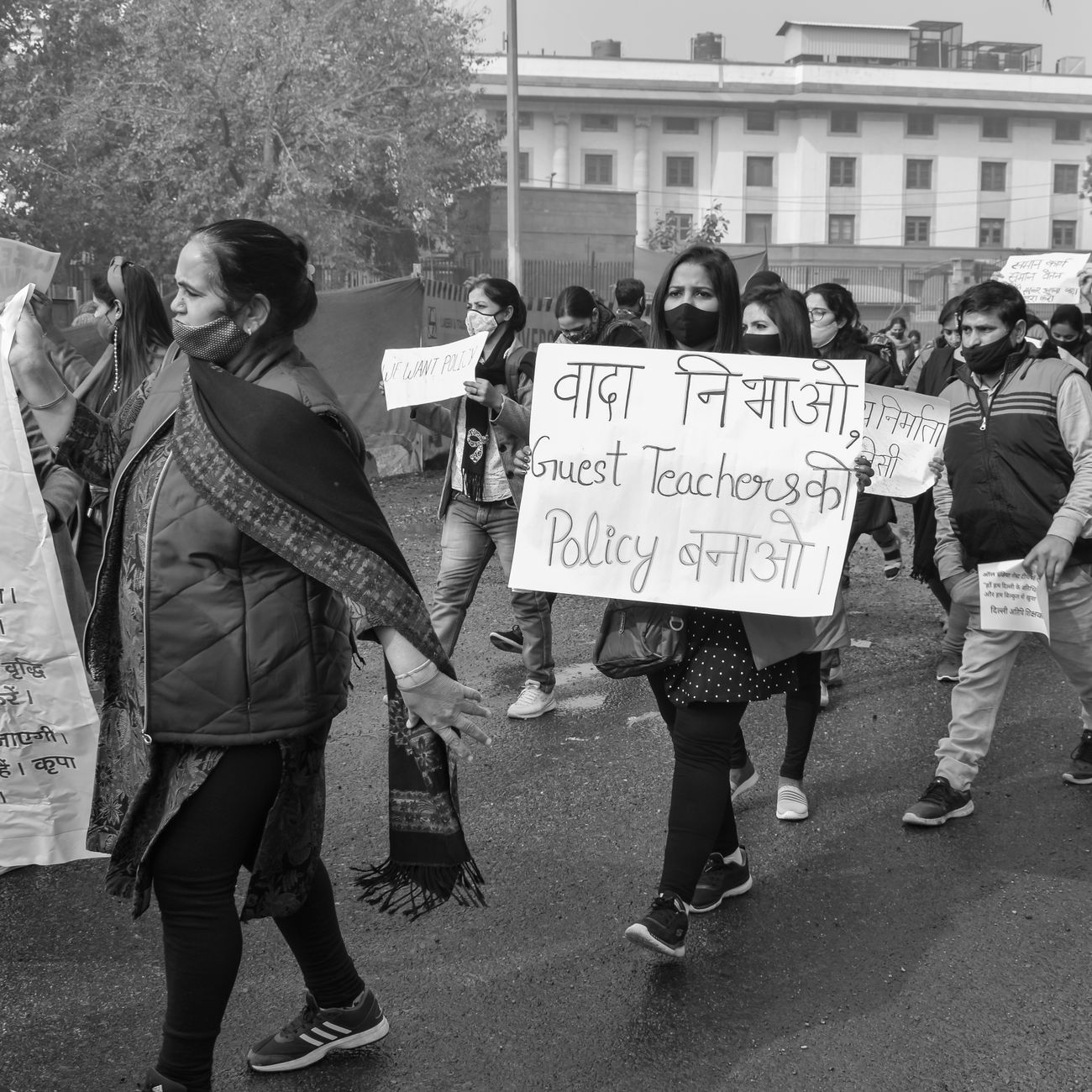
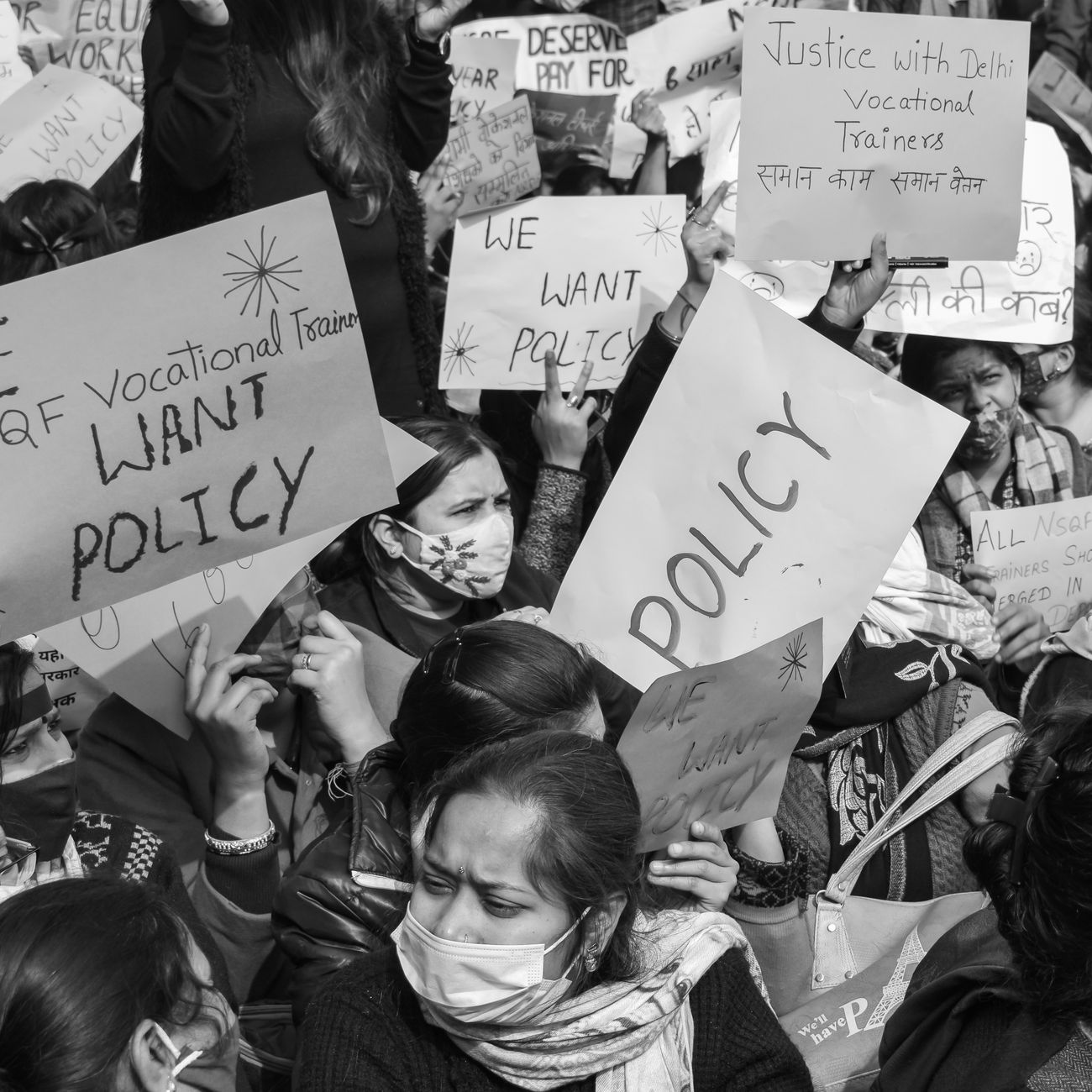
The NEP 2020 has been lauded for its potential to equip students with practical skills, aiming to make them more employable in a rapidly changing job market. However, this vision is currently hamstrung by the simple fact that there are not enough trained educators to teach these new vocational courses. In Cuttack, for example, some schools have resorted to hiring guest faculty to fill the gaps, particularly in arts and music education.
Voices of Concern
Many educators and policymakers are growing increasingly vocal about the need to address this staffing shortfall. The absence of a sufficient number of teachers is not merely a logistical hiccup; it poses a significant challenge to the policy's promise of a more holistic education system. The pupil-teacher ratio, a critical factor in educational quality, is under strain, with some suggesting a postponement of the curriculum rollout until these issues are resolved.
“There is no point in this haste,” remarked one educator, reflecting a sentiment shared by many. The fear is that rushing the process could lead to a haphazard implementation, leaving students short-changed in their education.
The Way Forward
Some suggest that the solution lies in strengthening Teacher Eligibility Tests (TETs) and increasing investment in teacher training programmes. The NEP mandates that teachers should engage in at least 50 hours of continuous professional development each year, but this is difficult to enforce in the current climate.
As schools prepare to resume after the summer break, the clock is ticking. The government, education boards, and schools must collaborate to ensure that the grand vision of NEP 2020 does not falter due to a lack of groundwork. The future of Indian education, it seems, hinges not just on policy but on practical implementation.