Netanyahu's Political Future Hangs in the Balance as Israel Votes
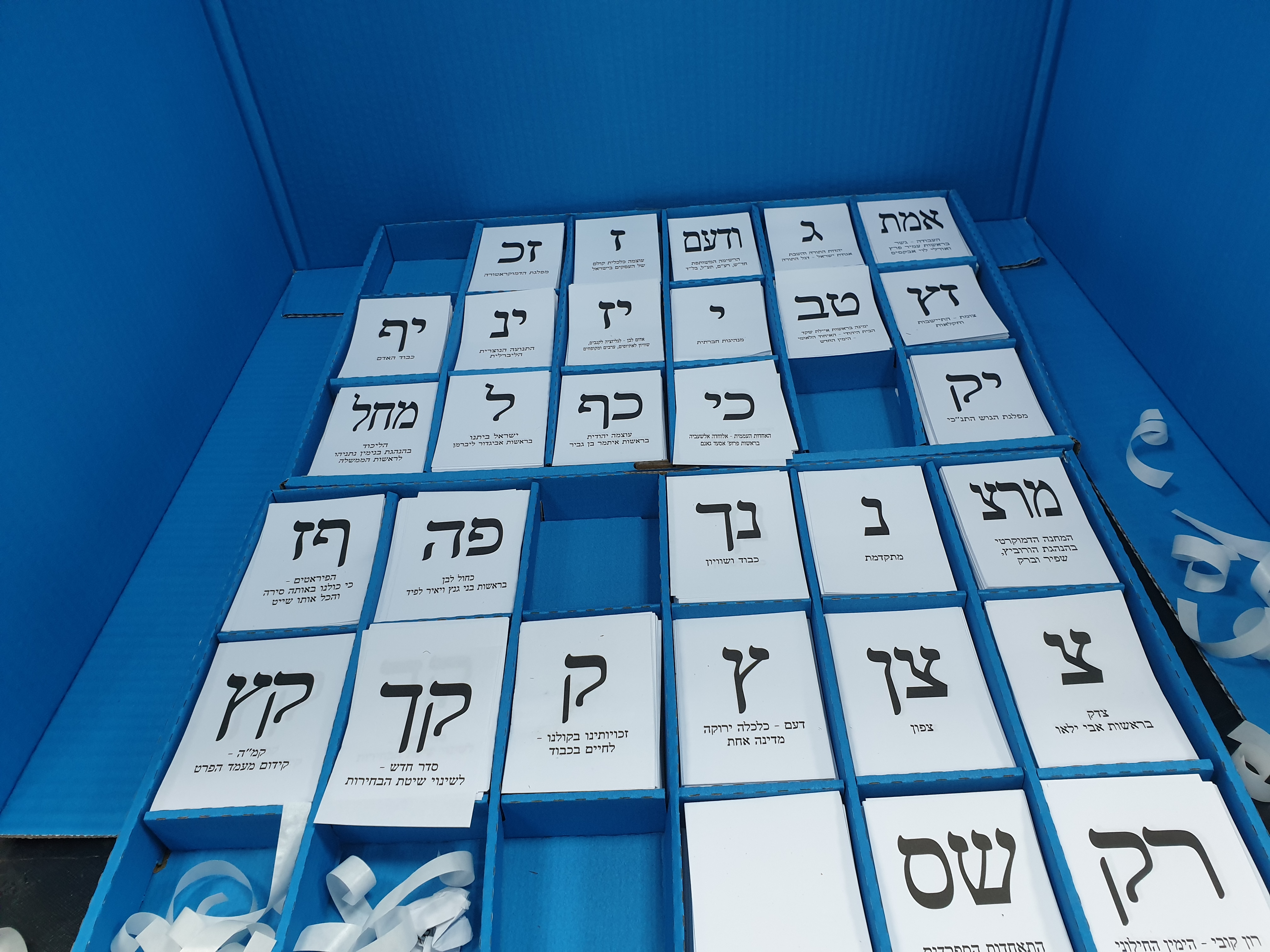
As Israel prepares for yet another election, the political theatre in Jerusalem is abuzz with speculation. The central figure in this unfolding drama is none other than Benjamin Netanyahu, the nation's longest-serving prime minister. Known for his formidable political acumen, Netanyahu has, for years, been a defining force in Israeli politics. However, the upcoming election presents challenges that may be insurmountable even for him.
Legal Woes and Political Alliances
Netanyahu's legal troubles are no secret. He faces charges of bribery, fraud, and breach of trust, which have cast a long shadow over his political career. These allegations have not only tarnished his public image but have also strained his relationships with key political allies. The once-ironclad alliances that buoyed his premiership now appear increasingly fragile.
In recent years, Israeli politics has become a game of shifting allegiances, with new parties and coalitions forming at a dizzying pace. Netanyahu, a master of coalition politics, now finds himself in a landscape where his influence is waning. The emergence of new political figures and movements presents a formidable challenge to his continued dominance.
Public Sentiment and Election Dynamics
Public sentiment towards Netanyahu is a mixed bag. While he retains a loyal base of supporters who credit him with bolstering Israel's international standing, there is a growing faction disillusioned with his leadership. Issues such as the cost of living, security concerns, and the handling of the pandemic have all contributed to a complex electoral environment.
The election dynamics are further complicated by the presence of several credible contenders for the premiership. Figures such as Yair Lapid and Naftali Bennett have carved out significant political niches, offering voters alternatives to the Netanyahu era. This diversification of leadership options may signal a shift in Israeli politics, where the electorate is increasingly seeking change.
As the election draws near, the question remains: will Netanyahu's political resilience withstand the mounting pressures, or is Israel on the cusp of a new political chapter? The answer will shape the nation's future and potentially redefine its leadership for years to come.