Neuroimaging Revolution: The Rise of Health System Learning
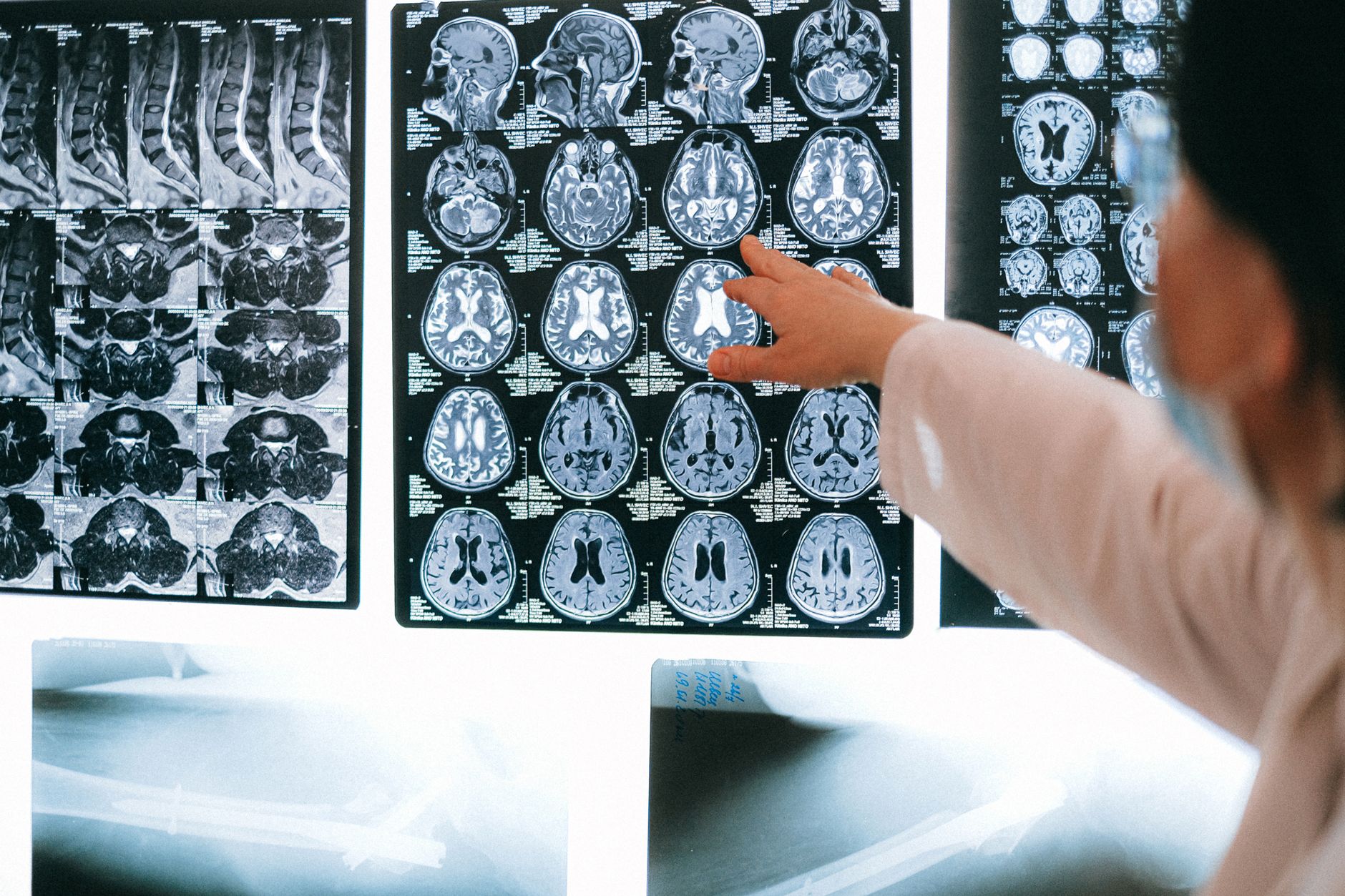
In the quiet corridors of Michigan Medicine, a data revolution is taking shape. Researchers there have embarked on an ambitious journey, training generalist neuroimaging models on an unprecedented scale. This endeavour is powered by health system learning, a novel approach that utilises the unfiltered, real-world data generated by health systems themselves.
Imagine tapping into 5.24 million MRI and CT volumes, gathered from over 566,000 studies spanning two decades. This is the essence of the UM-NeuroImages dataset, the backbone of this groundbreaking research. Unlike traditional methods that rely on curated data, health system learning embraces the raw, complex streams of clinical operations, bringing a new dimension to medical imaging.
A New Paradigm in Healthcare
Health system learning marks a departure from the conventional. It focuses on building models that reflect the intricacies of actual healthcare environments, promising outcomes that are both more accurate and applicable in the real world. The introduction of NeuroVFM, a visual foundation model for neuroimaging, exemplifies this shift. Trained on the extensive dataset, it offers insights and diagnostic capabilities that were once the realm of science fiction.
The implications are profound. By harnessing the full spectrum of data available within a health system, researchers can create models that are not only generalists but also specialists, capable of adapting to a multitude of diagnostic challenges. This flexibility could lead to faster diagnoses, reduced errors, and ultimately, more personalised patient care.
The Road Ahead
While the potential benefits are enormous, the journey is not without its hurdles. Ensuring data privacy, managing the vast amount of information, and integrating these models into everyday clinical practice are significant challenges. Yet, the promise of a healthcare system where technology and human expertise complement each other is a compelling vision.
As health system learning continues to evolve, it signals a future where the boundaries of medical knowledge are continually expanded, driven by the very data that patients generate. In this brave new world, the synergy between technology and medicine holds the key to unlocking a healthier tomorrow.