New Dinosaur Discovery in Thailand Sheds Light on Jurassic Giants
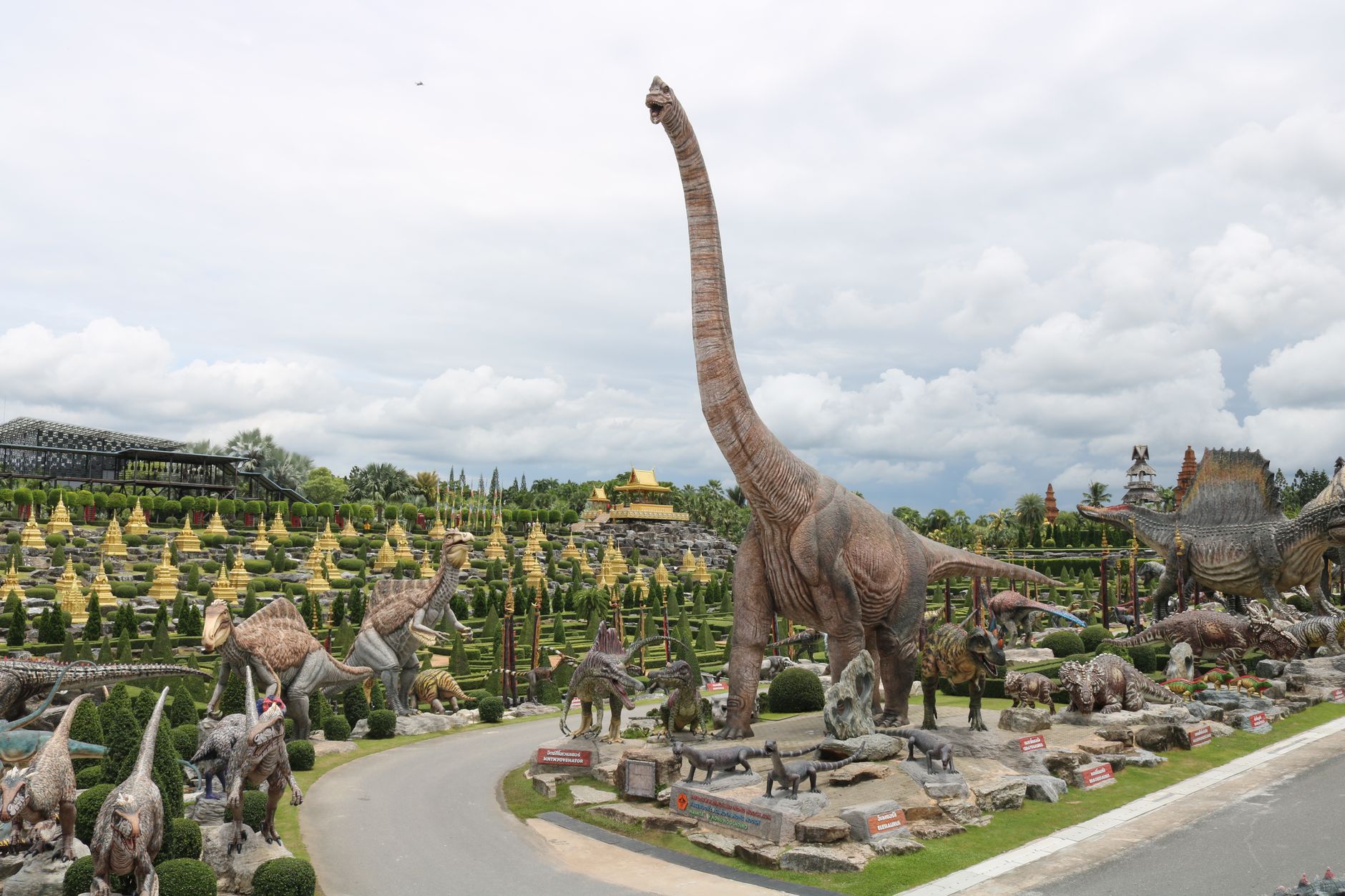
In the sun-drenched plains of Thailand’s Kalasin province, a team of dedicated researchers has unearthed a remarkable relic from the distant past. The newly discovered dinosaur, dubbed Uragasaurus kalasinensis, belongs to the sauropod family, a group famed for their colossal size and elongated necks. This particular specimen roamed the Earth approximately 150 million years ago during the Late Jurassic period.
The discovery was spearheaded by scientists from Maha Sarakham University, who painstakingly excavated the fossils at the Phu Noi site. The find is significant, not just for its rarity, but for its implications on our understanding of dinosaur distribution. It suggests that these gentle giants had a far more extensive range than previously thought, with Southeast Asia serving as a thriving habitat.
Uragasaurus kalasinensis joins the ranks of other legendary sauropods such as Diplodocus and Brontosaurus. However, its presence in Thailand provides fresh evidence of the region's prehistoric ecology. The fossils reveal unique anatomical features, which could offer new insights into the evolutionary adaptations that allowed these creatures to flourish.
While the discovery is a triumph for the scientific community, it also resonates with the local population, sparking a renewed interest in the area’s natural history. The region, already known for its fossil sites, may well see a surge in scientific tourism, as enthusiasts flock to witness the bones of these ancient behemoths.
As paleontologists continue to study the remains, anticipation builds around what further secrets these fossils might unveil. One thing is certain: the story of Uragasaurus kalasinensis is far from over, promising to enrich our understanding of the Jurassic world.