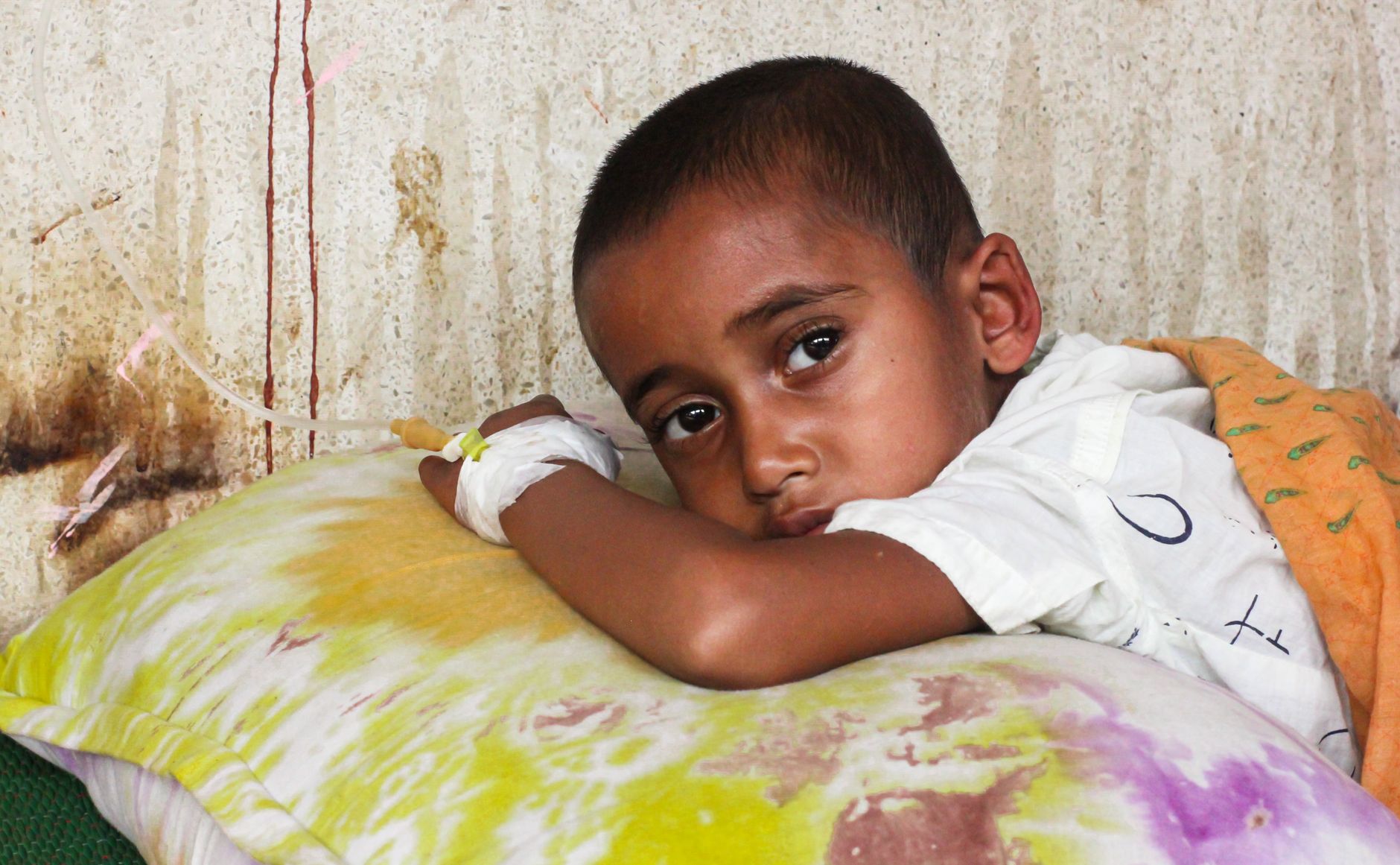
New Ebola Outbreak in DR Congo Sparks Global Concern
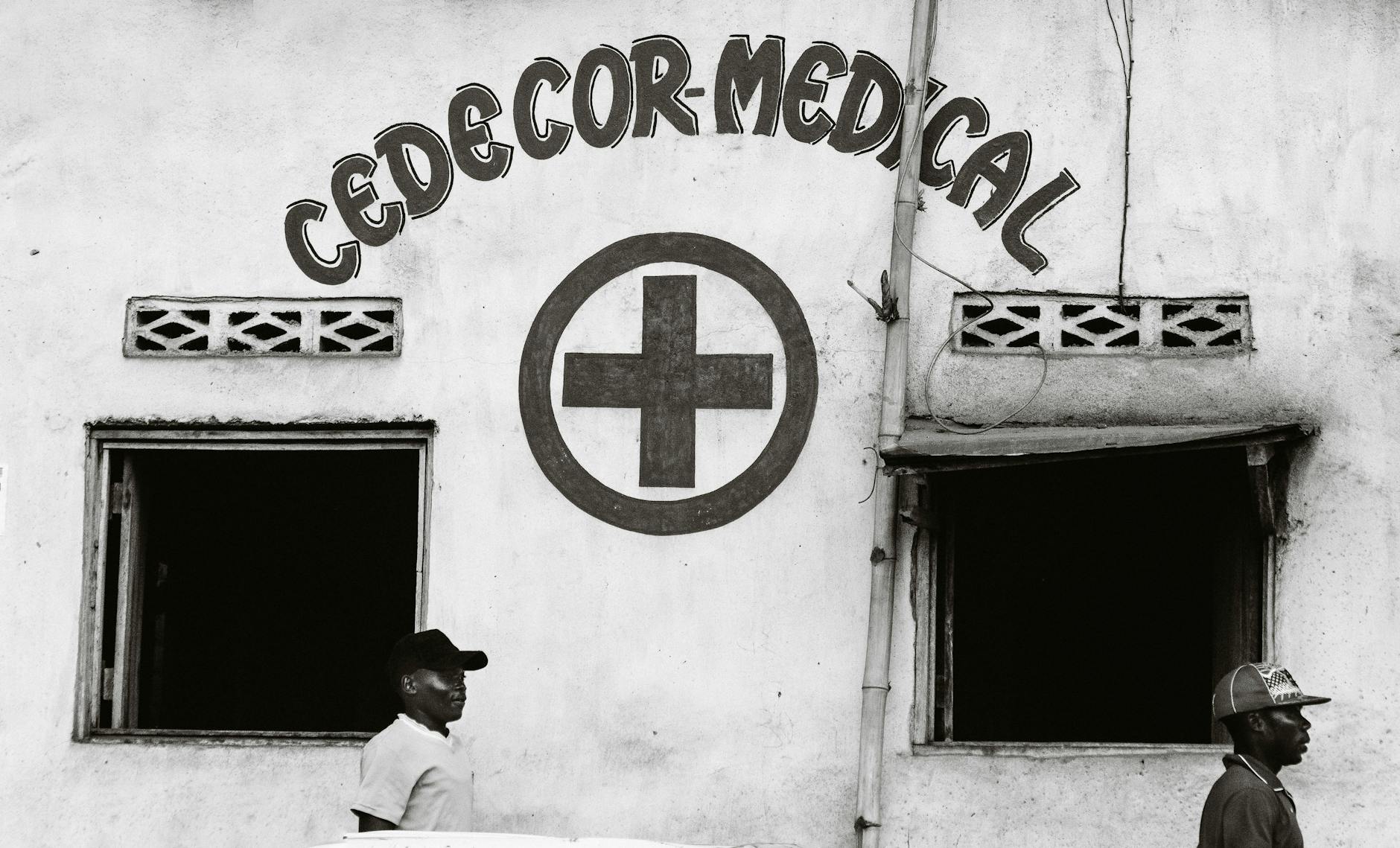
The Democratic Republic of the Congo finds itself in the throes of yet another Ebola outbreak, this time in the remote Ituri province. As of recent reports, health officials have documented 246 suspected cases and a troubling 65 deaths. The outbreak is notably concentrated in the Mongwalu and Rwampara health zones, regions that are grappling with both the virus and the challenges of geographical inaccuracies in mapping.
The World Health Organisation (WHO) and the Africa Centres for Disease Control and Prevention (Africa CDC) have sounded the alarm, emphasising the urgency of the situation. The main concern lies not only in the disease's rapid spread but also in the logistical difficulties posed by incorrect maps that misplace entire villages and regions. These inaccuracies hinder efficient delivery of aid and medical assistance, complicating efforts to curb the outbreak.
Localised Efforts and Global Assistance
Local health workers, alongside international aid agencies, are racing against time to establish accurate maps and coordinate response efforts. Dr Matshidiso Moeti, WHO’s Regional Director for Africa, has called for enhanced international support to tackle the outbreak effectively. "Without accurate data, our hands are tied," she remarked, stressing the need for improved cartographic data.
In response, a team of cartographers is working to update and correct maps to ensure that aid reaches the right locations swiftly. However, time is of the essence, and the virus does not wait. Local communities, already vulnerable, face an uphill battle as healthcare infrastructure is strained to its limits.
History and Future Concerns
Ebola is no stranger to the DR Congo, a country that has faced multiple outbreaks since the virus was first identified in 1976. Each outbreak brings with it a new set of challenges, from community mistrust to logistical nightmares. As the current situation unfolds, experts worry about the potential for the virus to spread beyond Ituri, threatening larger urban centres where containment could become even more difficult.
Yet, amidst the grim statistics, there is hope. International collaboration and technological advancements have improved response times and treatment options since the early days of Ebola. Vaccines are now part of the toolkit, providing a glimmer of hope in what is otherwise a dire situation. The key, however, remains swift action and accurate information, without which the battle against Ebola becomes exponentially harder.