New Methods Aim to Curb Postpartum Haemorrhage Deaths
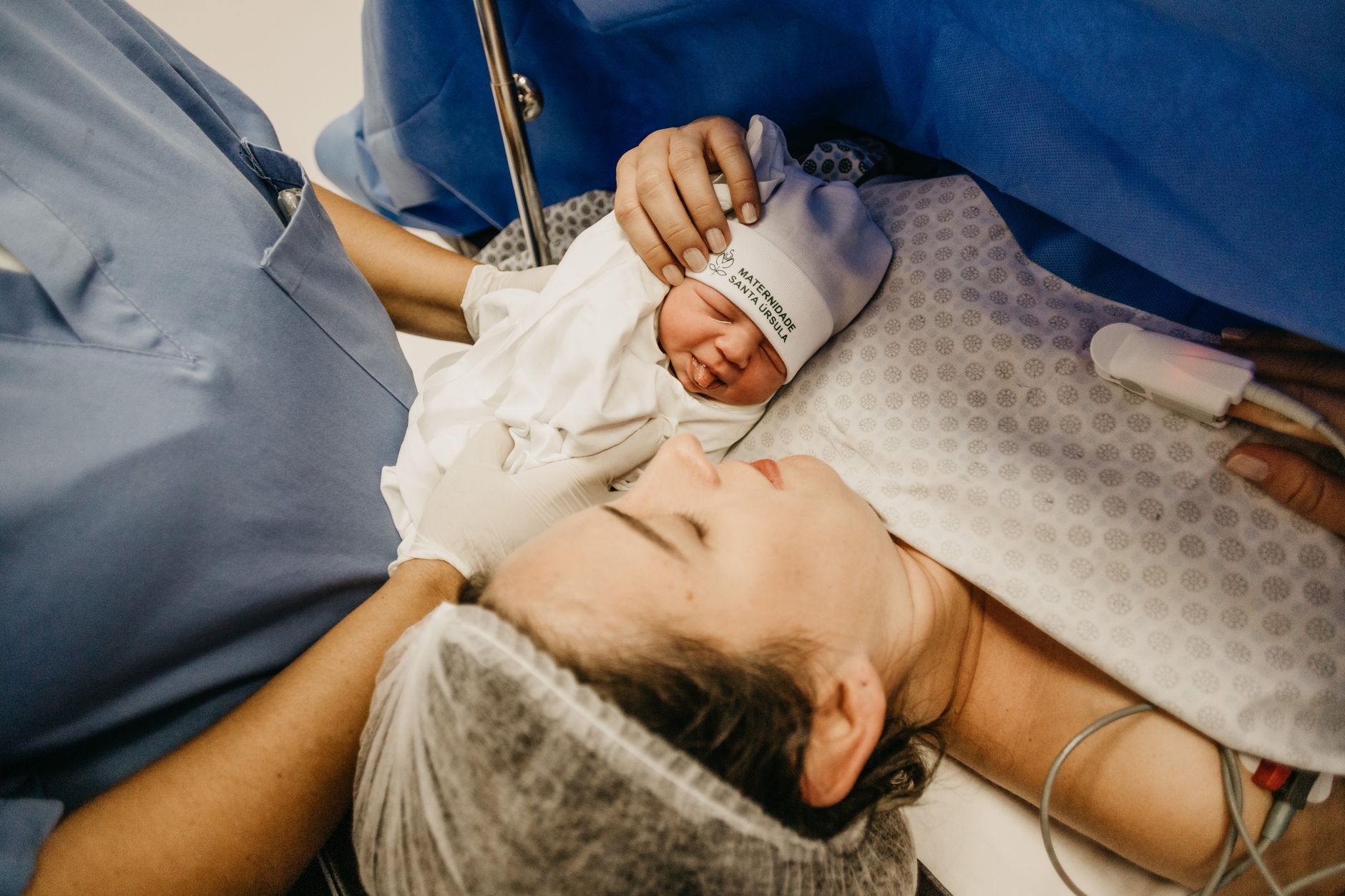
For many women, the joy of childbirth is overshadowed by the sobering reality of postpartum haemorrhage (PPH), a condition responsible for nearly 43,000 maternal deaths each year. A recent series of reports has shone a light on this dire situation, urging immediate global action.
PPH, marked by excessive bleeding after childbirth, remains the leading direct cause of maternal mortality worldwide. The World Health Organisation (WHO) has long advocated for the use of uterotonics – drugs that induce uterine contractions – to manage and prevent this condition. Yet, despite their availability, the implementation is inconsistent, particularly in lower-income regions where healthcare resources are stretched thin.
A Costly Burden
Beyond the tragic loss of life, PPH imposes an economic burden of over US$10 billion annually on health systems and families globally. This financial strain exacerbates the challenges faced by developing nations in providing adequate maternal care. The Lancet's landmark series has highlighted these economic impacts, underscoring the urgency of addressing the issue.
New methods and technologies are emerging as potential game-changers. Innovations in medical procedures and improved access to healthcare education for expectant mothers and healthcare professionals alike are pivotal steps forward. These advancements aim to equip healthcare workers with the necessary tools and knowledge to tackle PPH effectively.
Global Call to Action
As the series of reports suggests, the solution lies not only in medical intervention but also in policy reform and increased investment in maternal health. Global health organisations are calling for integrated approaches that combine education, technology, and policy changes to make a significant impact.
Ultimately, saving women from bleeding to death after childbirth requires a concerted effort from governments, NGOs, and the medical community at large. With the right focus and resources, the tide against postpartum haemorrhage can be turned, sparing thousands of women and their families from avoidable tragedy.