NFHS-6 Highlights Shifts in India's Health Landscape
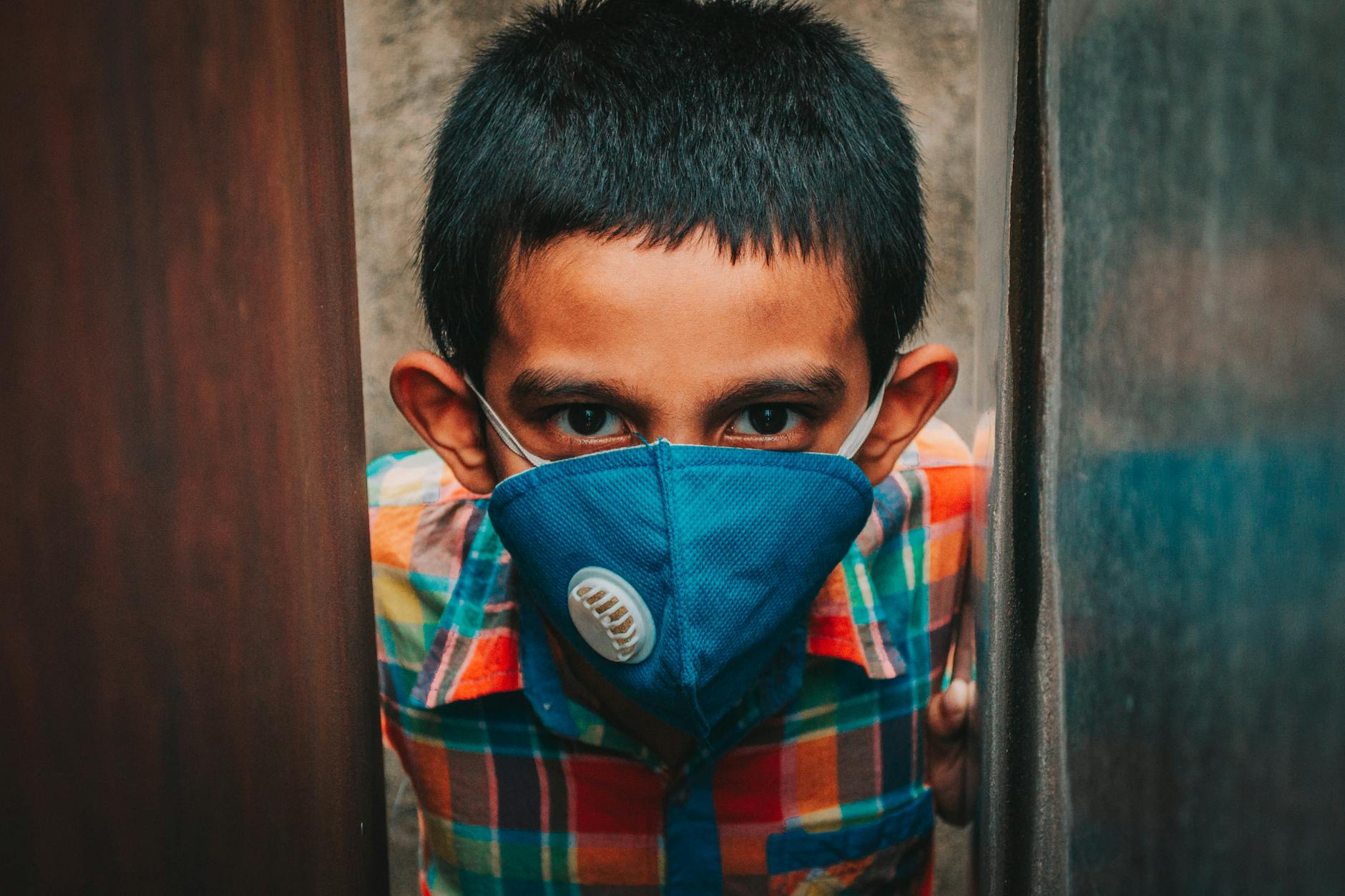
In a country as vast and diverse as India, capturing the pulse of its health status is no small feat. Yet, the Union Health Ministry's release of the National Family Health Survey – 6 (NFHS-6) manages to do just that, offering a comprehensive snapshot of the nation's health.
Conducted across 715 districts and involving a staggering 6.79 lakh households, the survey provides crucial insights into various aspects of population health, including nutrition, family welfare, and more. Notably, this year's findings highlight a decrease in child malnutrition, an encouraging sign for a nation that has long battled undernutrition.
However, the survey's revelations are not uniformly positive. While strides have been made in reducing malnutrition, the rising tide of lifestyle diseases such as obesity and diabetes cannot be ignored. These conditions, often linked to urbanisation and changing dietary habits, present a new set of challenges for health policymakers.
Progress and Challenges
The NFHS-6 also brings to light significant progress in areas such as women's empowerment and financial protection, underscoring the multifaceted nature of health and well-being. The survey shows an increase in the number of women accessing healthcare services and making autonomous decisions regarding their health.
Such empowerment is critical, as it often correlates with improved health outcomes for both women and children. Yet, the dual pressures of traditional health issues and emerging lifestyle diseases call for a nuanced approach in health policy formulation.
Implications for the Future
The findings of NFHS-6 are more than mere statistics; they are a reflection of India's evolving health narrative. Policymakers are now tasked with addressing these diverse challenges, balancing efforts to continue combatting malnutrition while simultaneously tackling the rise of lifestyle diseases.
As the nation advances, the insights provided by the NFHS-6 will be instrumental in shaping strategies that aim to improve public health outcomes. The survey not only highlights where progress has been made but also where attention is urgently required, setting the stage for informed decision-making in the years to come.