NFHS-6 Reveals Women's Education Gains Amid Persistent Social Barriers
India's latest National Family Health Survey (NFHS-6) has laid bare a dual narrative of progress and persistent challenges for women across the nation. The survey, which collated data digitally from over 679,000 households, offers a nuanced view of the strides made in women's education and digital access, juxtaposed with enduring social shackles.
Education and Digital Inclusion
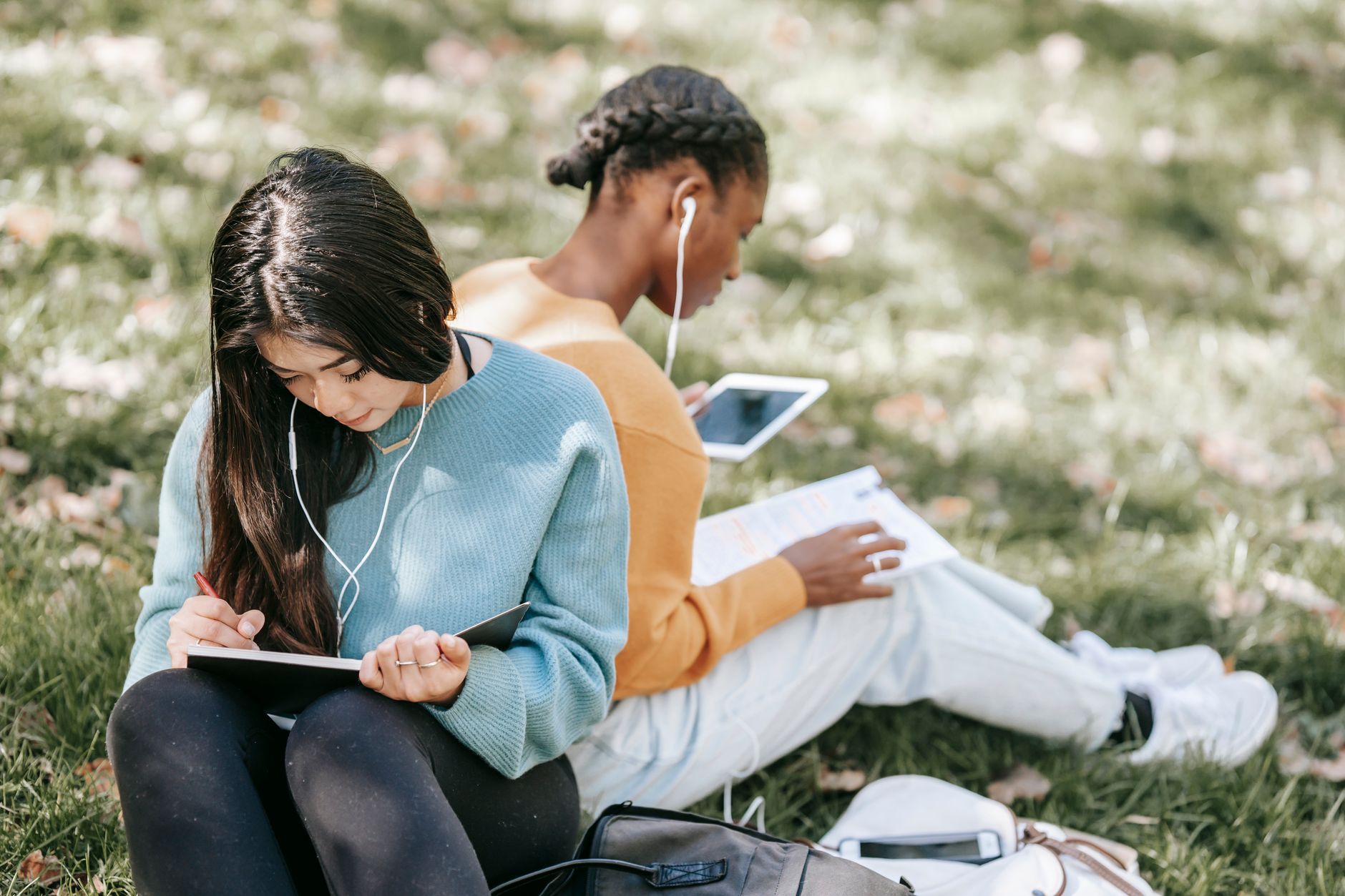
One of the most heartening revelations from the NFHS-6 is the palpable improvement in women's education. Literacy rates among women have risen, signalling a significant shift towards gender parity in educational attainment. This is complemented by increased access to digital technologies, aligning with the broader 'Digital India' vision. Women are now more connected than ever, with mobile phone ownership and internet usage climbing steadily.
Such advancements are crucial, as they not only empower women but also catalyse broader societal benefits. Educated and digitally connected women are better equipped to participate in the workforce, access healthcare, and engage in political processes, thus fostering economic and social development.
Persisting Social Constraints
Despite these gains, the survey also highlights areas where progress remains elusive. Family planning, for instance, continues to be a predominantly female responsibility, with female sterilisation accounting for 36.5% of contraception methods. This underscores the ongoing gender imbalance in reproductive responsibilities.
Moreover, although there has been a decline in gender-based violence, it remains a pressing concern. Social norms and traditional expectations continue to constrain women's autonomous decision-making, particularly in rural areas.
The NFHS-6 findings serve as a clarion call for policymakers. While celebrating advancements, there is a pressing need to address the deep-rooted cultural and social barriers that impede true gender equality. It is this duality of achievement and challenge that defines the current landscape of women's empowerment in India.