NIH's 'All of Us' Sets New Benchmark in Genomic Research
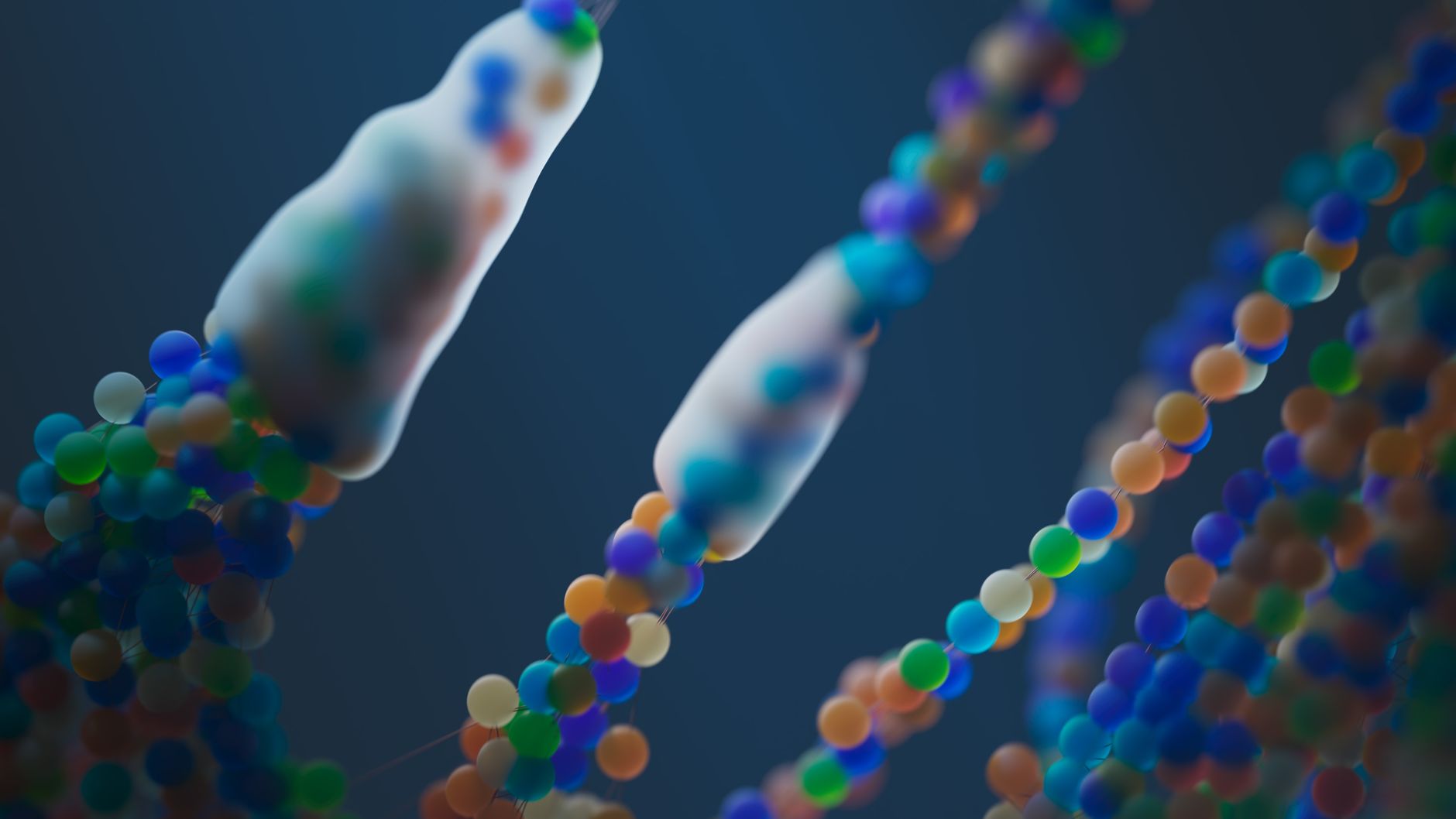
In the ever-evolving world of medical research, the National Institutes of Health (NIH) has taken a monumental stride forward. The 'All of Us' Research Programme has now been crowned as the largest integrated genomic and health database globally. This announcement came as the programme unveiled data from over 747,000 individuals, effectively linking 535,000 complete genomes to actual medical records.
At the heart of this initiative is a bold vision: to transform our understanding of human health through unprecedented access to diverse genomic data. The programme's inclusivity, drawing from participants across the United States, ensures a rich tapestry of genetic information that reflects the nation's diversity.
A New Era for Personalised Medicine
The potential applications of this database are vast. By melding genomic data with electronic health records, researchers can delve into the intricacies of how genetics influence disease. This could herald a new era of personalised medicine, where treatments are tailored to the genetic profile of individual patients.
Dr Francis Collins, former NIH Director, remarked on the significance of this achievement, noting that the 'All of Us' database not only provides a resource of unparalleled depth but also levels the playing field for researchers. 'Whether you're at a rural university or a major research institution, the data is there for you to explore,' he stated.
Empowering Researchers Nationwide
The database's availability to registered researchers at no cost marks a significant shift in how scientific inquiry is conducted. By democratising access, the NIH hopes to spur innovation and discovery across the board, enabling breakthroughs that were previously unimaginable.
As the scientific community begins to harness the power of this data, the implications for public health policy, disease prevention, and treatment are profound. The 'All of Us' initiative stands as a testament to what can be achieved when ambition meets collaboration, and it sets a new standard for genomic research worldwide.