NITI Aayog's Report: A Call for Reform in Indian Education
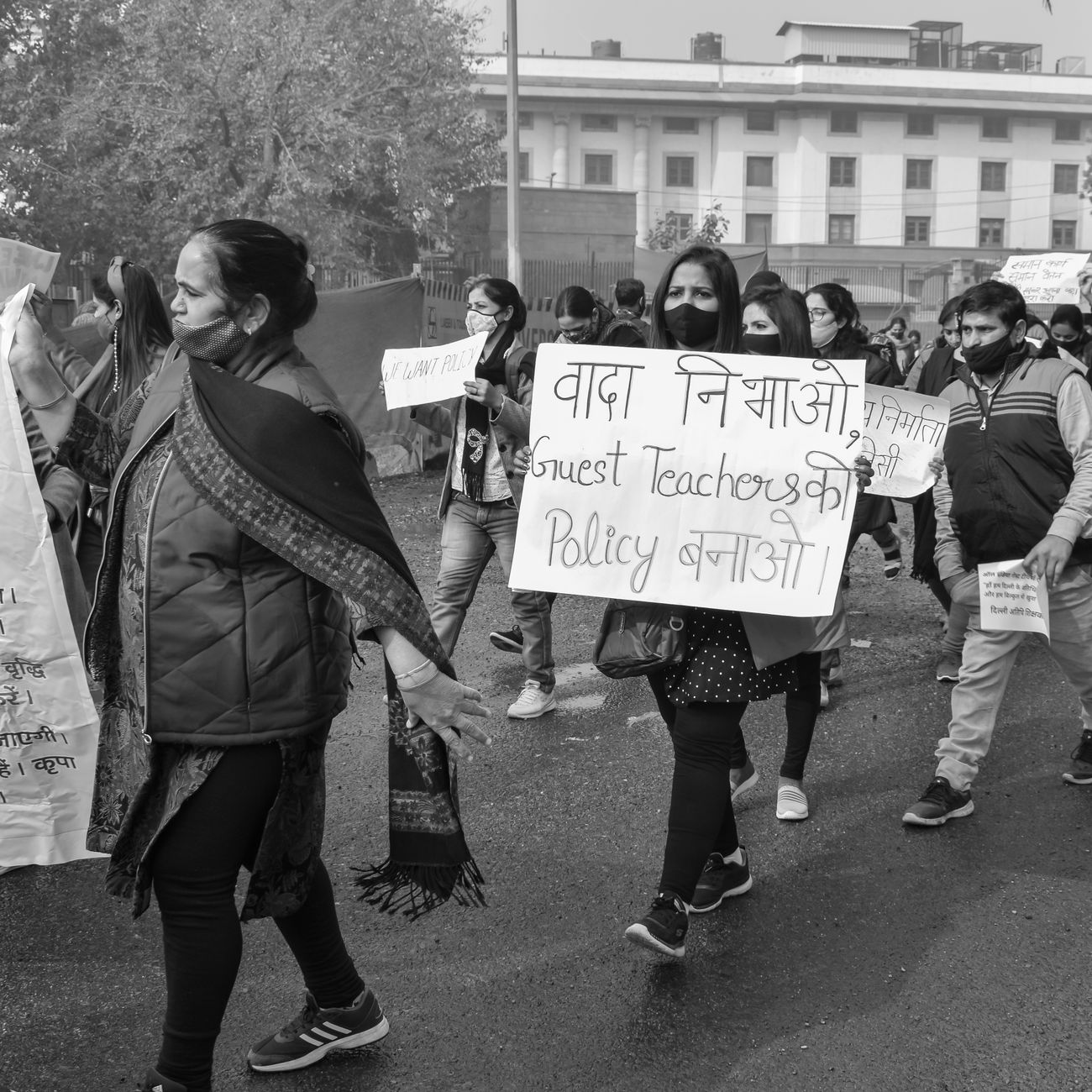
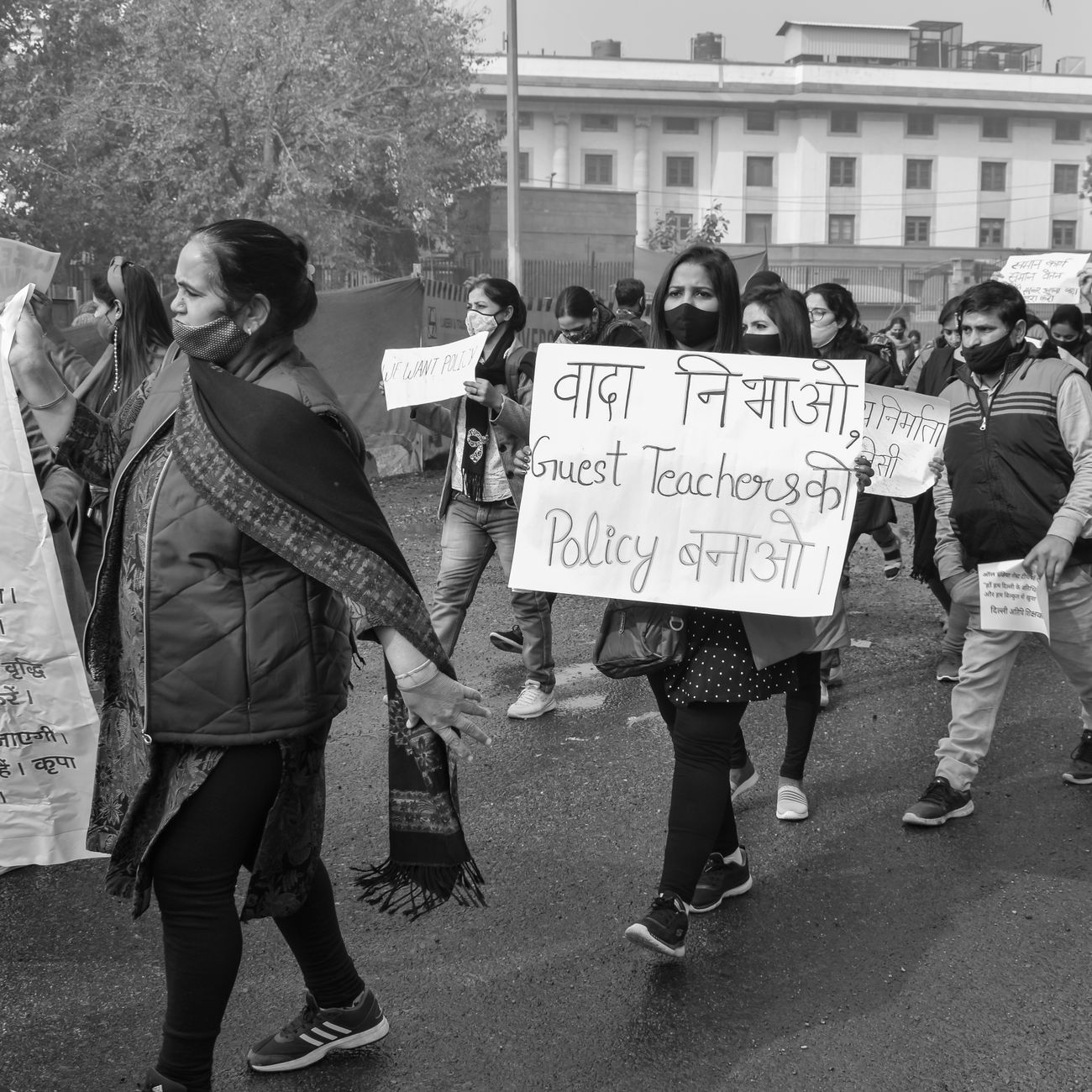
In a nation where the word 'education' often conjures visions of overcrowded classrooms, NITI Aayog's latest report offers a sobering reminder that quantity does not equate to quality. While India has achieved commendable success in enrolling children in schools, the report starkly reveals that the true challenge lies in ensuring they learn effectively once inside those walls.
The report, which draws inspiration from the philosophical musings of Sarvepalli Radhakrishnan, underscores the need for education that not only sharpens the intellect but also refines the heart and disciplines the spirit. However, the reality on the ground paints a rather different picture. High dropout rates, poor learning outcomes, and a fragmented school structure are just the tip of the iceberg.
According to NITI Aayog, the shift from government to private schooling is more than a trend; it's a reflection of parental desperation. Parents, yearning for better prospects for their children, often find themselves caught between the devil and the deep blue sea—choosing between inadequate public schools or expensive private institutions that promise, but do not always deliver, a superior education.
A Roadmap for Reform
The report lays out 33 recommendations that serve as a roadmap for reform. These include enhancing transparency in school mergers, enforcing compliance with Right to Education norms, and adopting outcome-based funding models. Yet, experts argue that without addressing the systemic weaknesses in public schooling, these proposals may not yield the desired results.
Infrastructure and governance are two of the most critical areas highlighted. Schools across the country suffer from dilapidated buildings, lack of basic amenities, and insufficient teaching staff. Moreover, governance gaps exacerbate these issues, leading to inefficiencies and corruption.
Why This Matters
At a time when India aspires to become a global powerhouse, the foundation of its future—its education system—cannot be left in disrepair. The NITI Aayog report is not merely a critique; it is a clarion call for urgent action. Implementing its recommendations could pave the way for an education system that not only provides access but also equips students with the skills and knowledge they need to thrive in a rapidly changing world.
The stakes have never been higher. With a burgeoning young population, India stands at a crossroads. The choices it makes today will determine the trajectory of its development for decades to come.