Northern Ireland Specialists Join Pay Dispute: Strike Looms
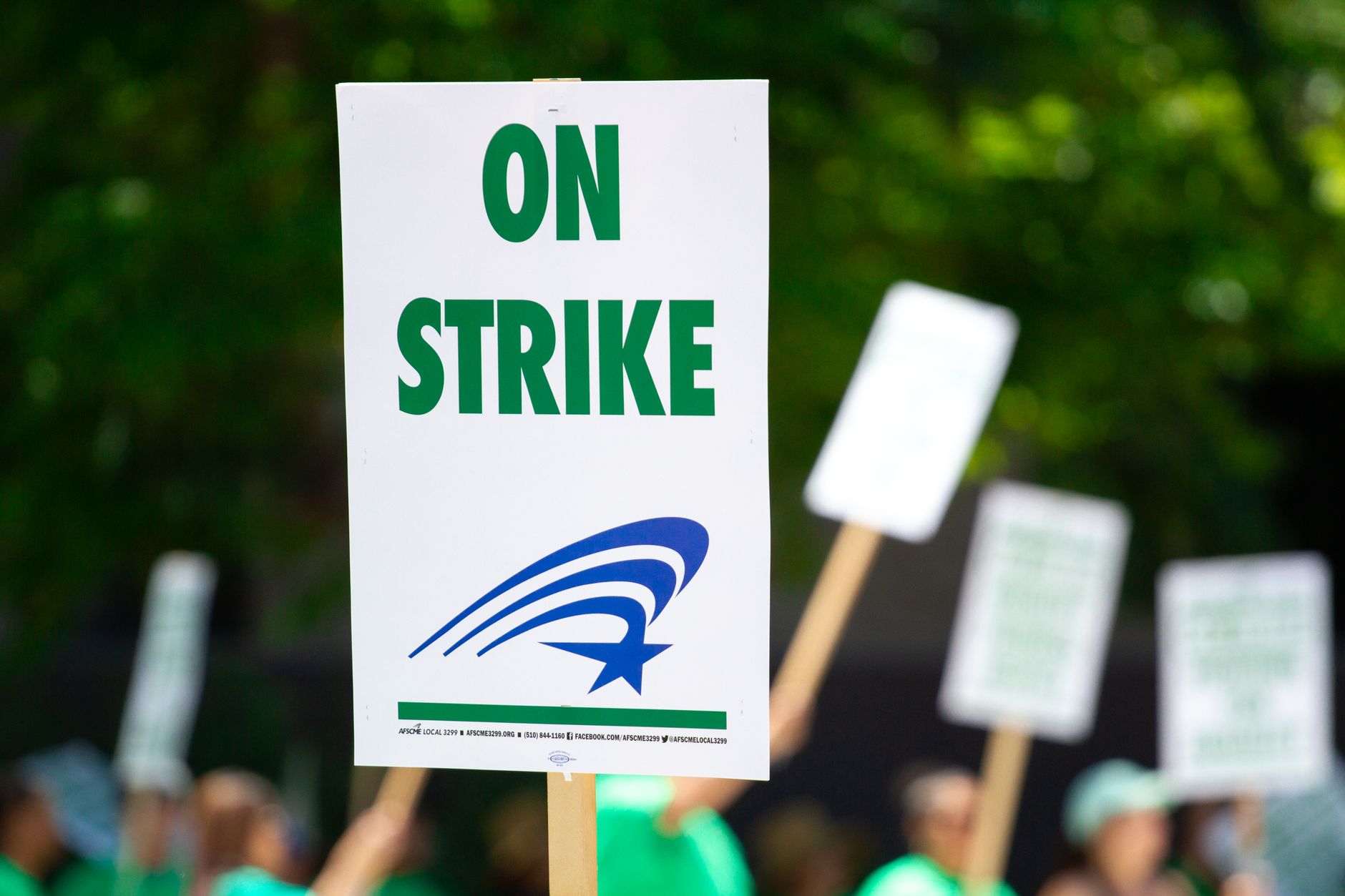
In Northern Ireland, the simmering tensions over healthcare pay have reached a boiling point. Specialist doctors are preparing to join junior doctors in a planned strike action, a move that could send ripples through the already strained healthcare system. The heart of the dispute lies in the perceived inadequacy of a proposed 3.5% pay rise, which Health Minister Mike Nesbitt insists is all that can be afforded within the confines of his current budget.
Nesbitt, addressing the growing unrest, remarked, "Calling on me to act fails to recognise this is an executive decision." The minister’s comments highlight the broader bureaucratic challenges in addressing pay parity and the complexities of healthcare funding.
The Broader Implications
The decision to strike is not made lightly. It arrives amidst efforts to tackle Northern Ireland’s notorious waiting lists, which have frustrated patients and healthcare professionals alike. Any disruption could reverse the hard-won gains in service delivery and patient care.
The ballot, which is currently underway, involves more than 35,000 healthcare workers. Should the vote favour industrial action, it would mark a significant escalation in the ongoing pay dispute. One union has already declared its members’ intention to strike, setting the stage for a contentious period in Northern Ireland's healthcare sector.
A Widening Crisis
This unrest is not isolated. Similar movements have been seen across the UK, with resident doctors in Scotland recently voting in favour of strike action. Such developments underscore a national dialogue about the value of healthcare workers and the financial realities of the NHS.
As the clock ticks down, all eyes will be on the outcome of the ballot. The potential for a 24-hour walkout looms, carrying the weight of years of frustration and negotiations. The healthcare community and the public wait with bated breath to see if a resolution can be reached before the strike date is set.