Norway's Funding Freeze Casts Shadow Over Plastics Treaty Talks
In a move that has sent ripples across the environmental community, Norway has unexpectedly paused its funding to the United Nations Environment Programme (UNEP). As the largest donor, Norway's decision is not just a financial hiccup; it throws a spanner into the already complicated works of the global plastics treaty negotiations.
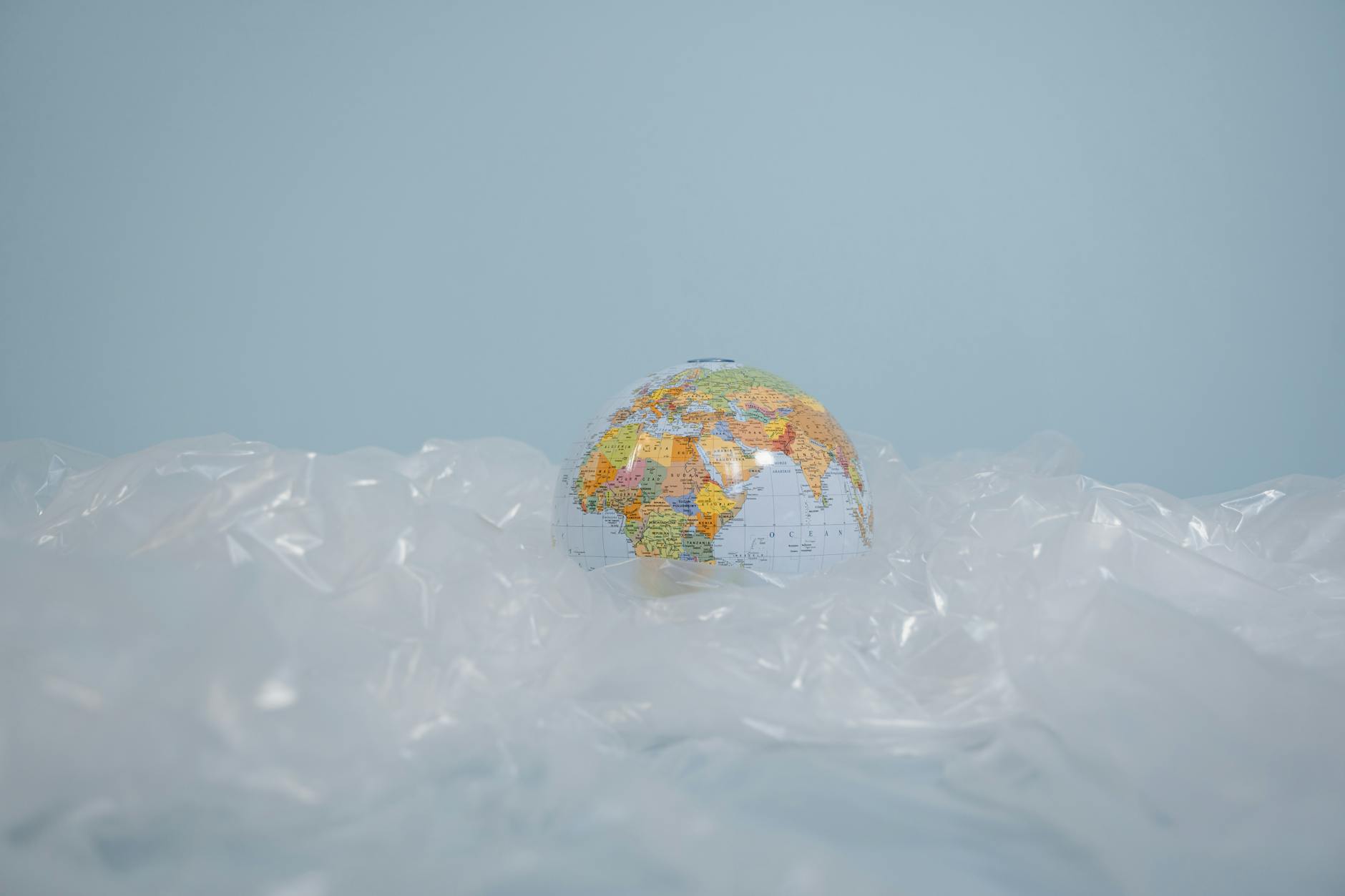
The timing could not be more critical. Just ahead of a revised budget announcement, this freeze has raised eyebrows and concerns among member states and NGOs alike. The plastics treaty, a beacon of hope for curbing the rampant plastic pollution choking oceans and landscapes, now faces even greater uncertainty.
Uncertainty Looms Over Negotiations
For months, negotiations have been in a delicate balance. The treaty aims to create a legally binding agreement to curb plastic production and enhance recycling efforts worldwide. However, with Norway pulling back its financial support, the momentum could stall significantly.
Environmental groups have voiced their worries, pointing out that such funding pauses could weaken the negotiating power of UNEP. The programme relies heavily on donor contributions to facilitate these crucial discussions and implement subsequent policies.
The Broader Implications
Norway's decision also sends a signal to other nations. If the most significant donor can pause funding without consequence, it might set a precedent that could jeopardise future international environmental efforts.
While Norway has yet to provide specific reasons for this decision, speculations abound. Some suggest it might be a strategic move ahead of the budget revision, while others fear it could indicate deeper disagreements within the UNEP framework.
As the situation unfolds, all eyes are on the upcoming UNEP budget announcement. Observers hope it will bring clarity and, perhaps, reassure stakeholders of Norway's continued commitment to environmental causes.
For now, the pause serves as a stark reminder of the fragility of international cooperation in tackling one of the planet's most pressing issues.