Nvidia Challenges Intel with AI-Driven PC Chips
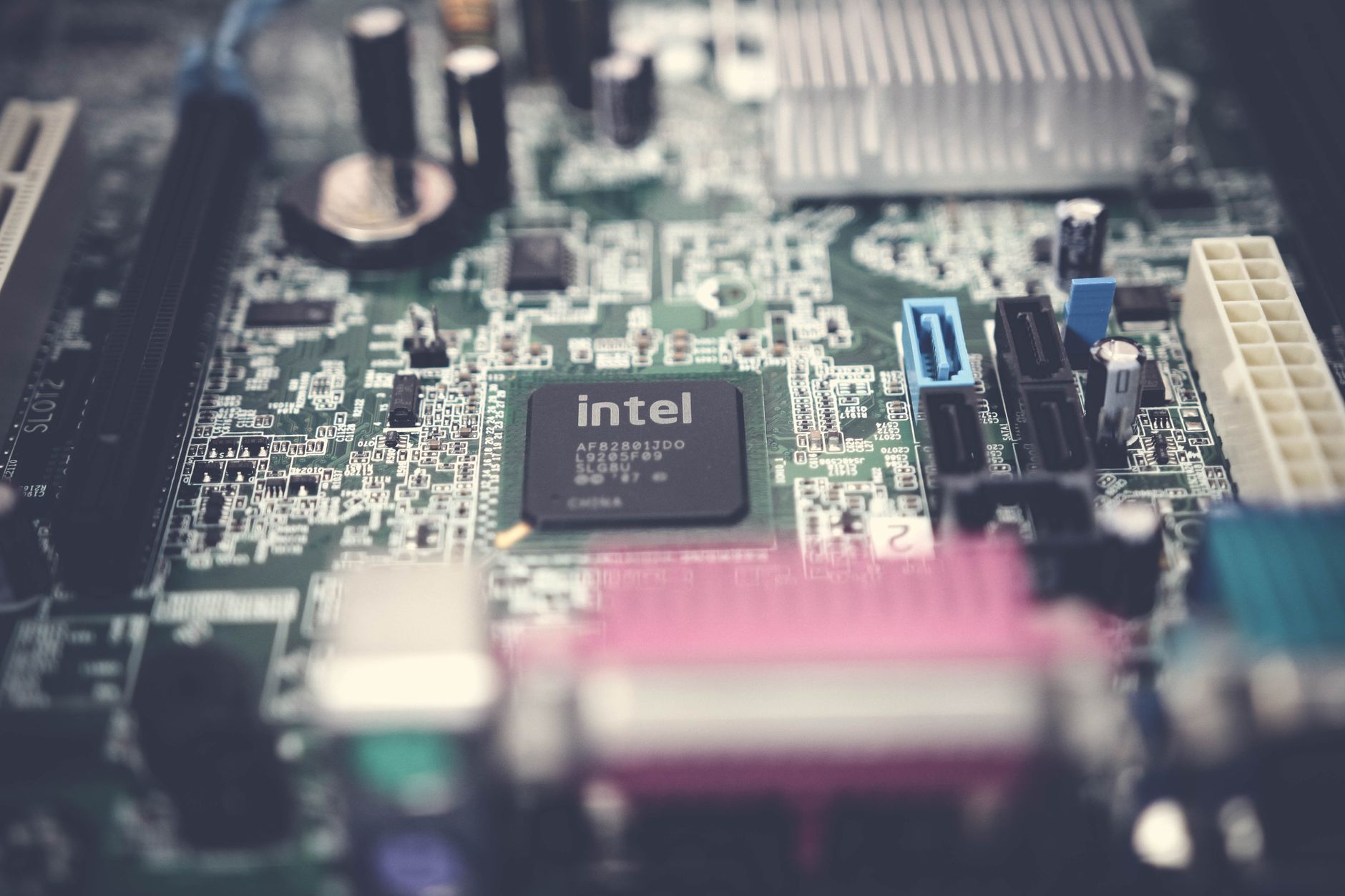
Nvidia, the company renowned for its dominance in the graphics processing unit (GPU) market, has set its sights on a new frontier: personal computer central processing units (CPUs). In a bold manoeuvre that could shake the tech industry, Nvidia has unveiled its latest venture, introducing AI-centric CPUs designed to challenge Intel's longstanding supremacy in the PC chip arena.
The new chip, dubbed RTX Spark, is a collaborative effort with MediaTek and aims to integrate seamlessly into Windows-based systems from manufacturers like Dell and Lenovo. Nvidia's CEO, Jensen Huang, has touted the chip as "the most efficient PC chip ever built," underscoring its potential to redefine computing for the AI age.
For years, Intel has been the go-to choice for CPU performance in personal computers. However, Nvidia's foray into this domain signals a shift in the landscape, as the company seeks to leverage its expertise in AI and GPU technology to carve out a new niche. The promise of an AI-enhanced computing experience could appeal to both enterprise and consumer markets, offering enhanced processing capabilities and energy efficiency.
A Strategic Move
While Nvidia's entry into CPU manufacturing might seem sudden, it is anything but impulsive. In September 2025, Nvidia and Intel disclosed a joint initiative to develop custom data centre and PC products, a venture that laid the groundwork for Nvidia's current ambitions. The collaboration, involving a $5 billion investment, reflects the intricate dance between competition and cooperation in the tech world.
By uniting Intel's CPU prowess with Nvidia's AI and graphics capabilities, the partnership was initially perceived as a cautious exploration. Now, with Nvidia independently targeting Intel's core market, the dynamics have shifted. It remains to be seen how Intel will respond to this new challenge, particularly as Nvidia's reputation for innovation and efficiency threatens to disrupt established norms.
The Bigger Picture
Nvidia's move is more than just a business strategy; it's a statement about the future of computing. As AI becomes increasingly integrated into everyday technology, the demand for specialised hardware will only grow. Nvidia's decision to enter the CPU market with an AI focus positions it as a potential leader in this new era.
Ultimately, the success of Nvidia's venture will depend on its ability to deliver on its promises. If RTX Spark lives up to expectations, it could not only cement Nvidia's position as a tech innovator but also force a reevaluation of what consumers and businesses expect from their computing devices. As the battle for the heart of personal computing intensifies, the industry watches closely to see how this new chapter unfolds.