Odisha Introduces Free Education from KG to PG: A Bold Leap Forward
In a move that could redefine access to education in Odisha, Chief Minister Mohan Charan Majhi has announced a pioneering initiative: free education from Kindergarten through to Postgraduate levels in all state-run institutions. This announcement marks the completion of two years of the BJP-led government in Odisha, underscoring its commitment to fostering educational equity.
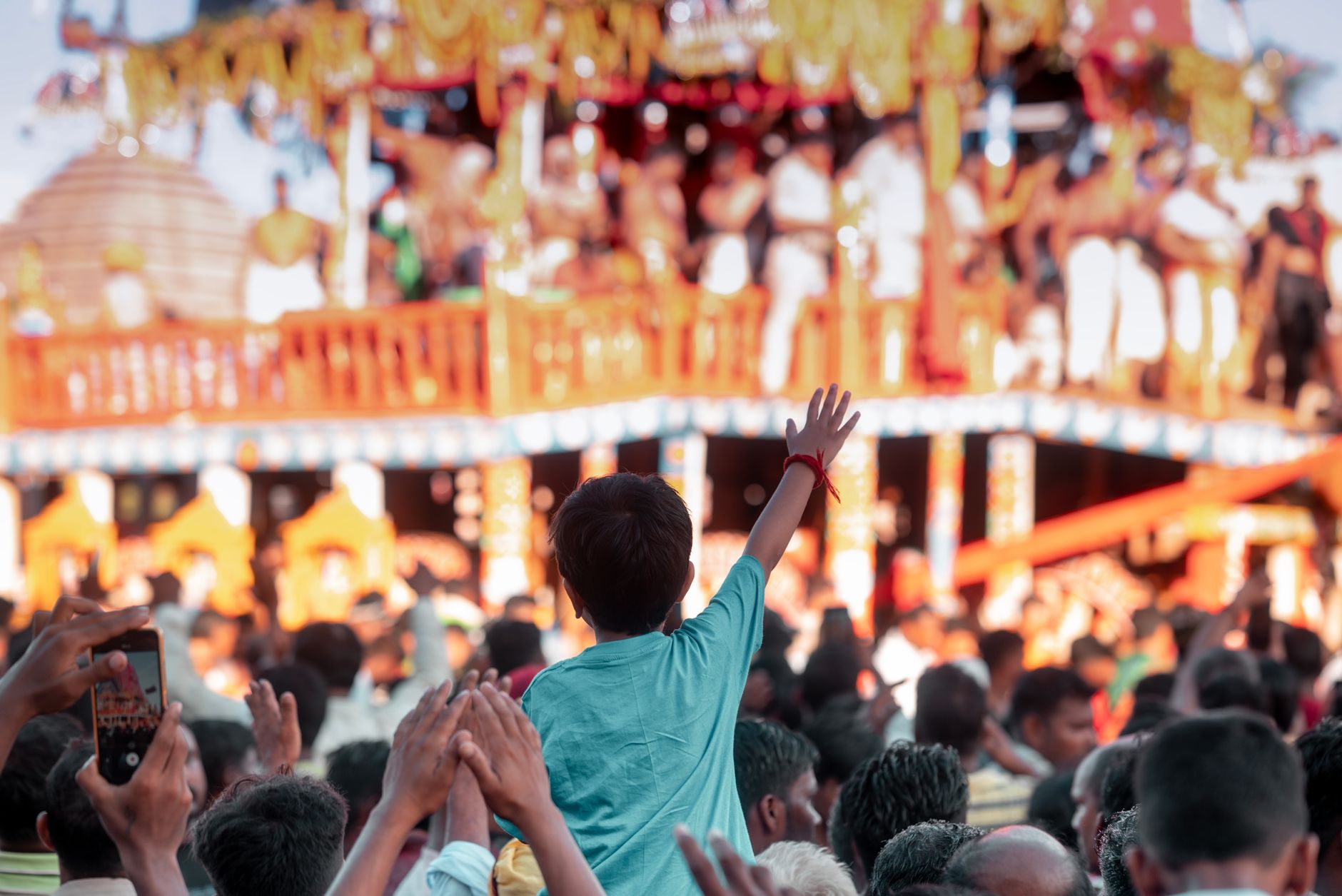
Standing at the heart of Bhubaneswar, Majhi addressed a gathering, highlighting the transformative potential of this programme. "This initiative will not only ease the financial strain on families but also open doors for thousands of students from underprivileged backgrounds," he declared, amidst applause from the audience.
A Vision for Universal Education
The announcement is poised to benefit scores of students across Odisha, particularly those who have long grappled with the prohibitive costs of higher education. Historically, the financial burden of education has stymied the aspirations of many talented youth, especially in rural and economically disadvantaged communities.
By eliminating tuition fees across all educational tiers, the Odisha government aims to dismantle barriers and create a more inclusive academic environment. This move is not just about free education but about empowering a generation to aspire without constraints.
Challenges and Opportunities
While the initiative is laudable, it does not come without challenges. Funding such an expansive programme will require substantial financial planning and resource allocation. The government will need to ensure that quality of education is maintained and that infrastructure is adequately prepared to accommodate the expected surge in enrolment.
Critics have been quick to point out potential pitfalls, including the risk of overcrowding and the strain on teaching resources. However, proponents argue that these challenges are surmountable with careful policy planning and international cooperation.
The broader implications of this policy, if successful, could serve as a blueprint for other Indian states grappling with similar educational inequalities. Majhi's vision could be the catalyst for a nationwide shift towards universal education, redefining the educational landscape of India.
As Odisha embarks on this ambitious journey, the world will be watching how it navigates the complexities of implementing such a far-reaching initiative. If successful, it could mark the beginning of a new era in Indian education, where access to learning is a right, not a privilege.