Odisha's Bold Step: Free Education from KG to PG Announced
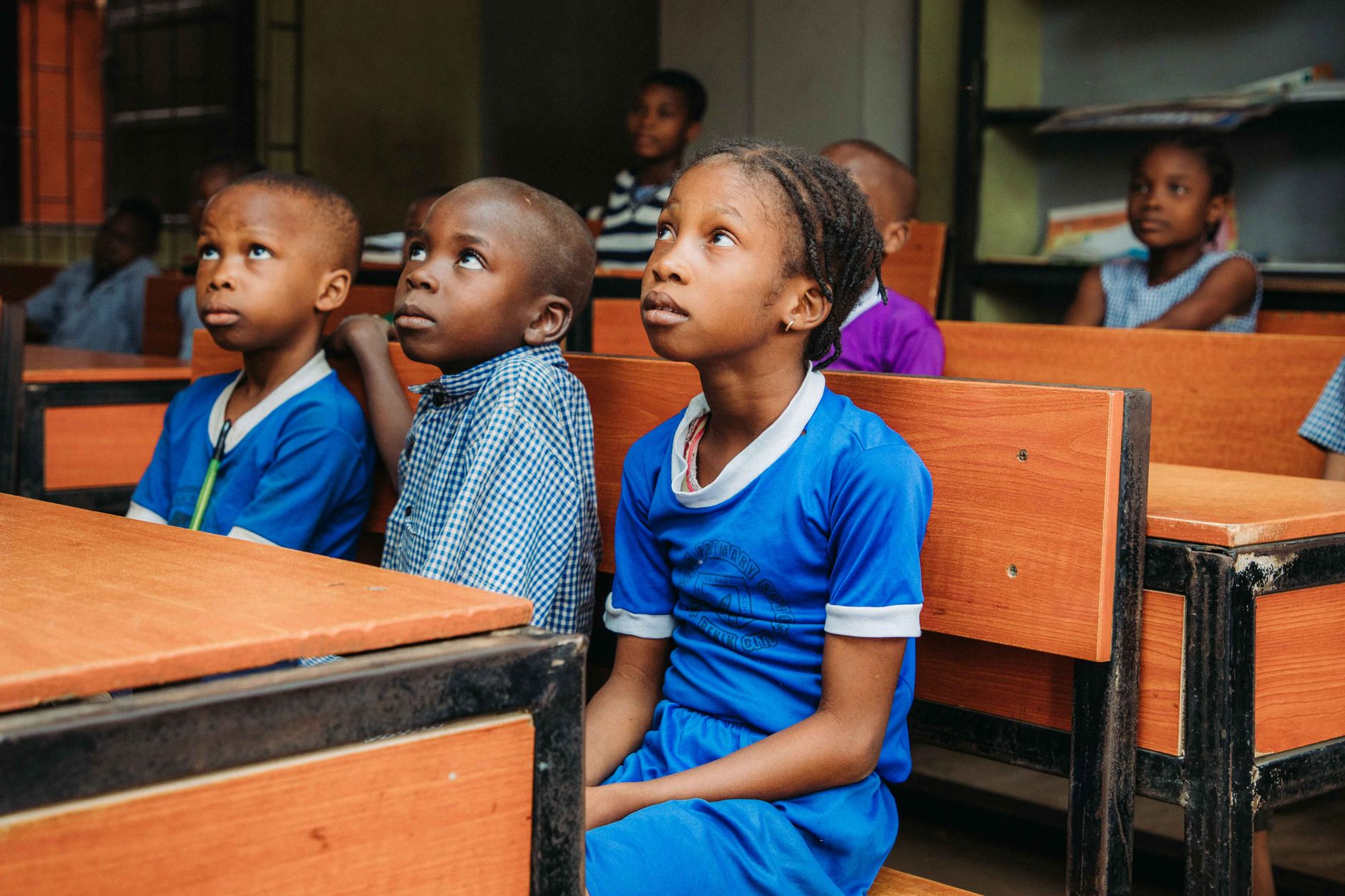
In an unprecedented move, Odisha's Chief Minister Mohan Charan Majhi has declared that education from Kindergarten (KG) to Post-Graduation (PG) will be free in all government institutions. This landmark decision, announced on Wednesday, is poised to transform the educational landscape of the state.
The initiative is primarily aimed at economically disadvantaged students, with a particular focus on improving access for girls. By removing tuition fees, the Odisha government seeks to alleviate the financial burden on families, thereby encouraging more children to pursue higher education.
Majhi, speaking at a press conference, stated, "This initiative will be a major support for all students, especially those from underprivileged backgrounds, and will reduce the financial pressure on families." The policy also includes free bus travel for students appearing for competitive exams like NEET UG, underscoring the state's commitment to facilitating education.
A Step Towards Educational Equity
This bold move by Odisha sets a benchmark for other Indian states. Free education from KG to PG is not just about cost-cutting; it symbolises a commitment to equal opportunities and social mobility. By focusing on economically weaker sections, the policy aims to bridge the gap between different socio-economic groups.
While the initiative has been widely praised, some experts caution that the quality of education must also be maintained. The success of this policy will largely depend on the government's ability to sustain educational standards while expanding access.
Future Implications
As Odisha takes this significant step, the question arises: should other states follow suit? The idea of free education is attractive, but it necessitates substantial government investment and infrastructure development. Nevertheless, if successful, Odisha's model could serve as an inspiration, leading to broader educational reforms across India.
In the meantime, students in Odisha can look forward to a future where education is not a privilege but a right, aligning with the broader vision of inclusive growth and development.