OPEC's Calculated Moves Amidst Global Uncertainties
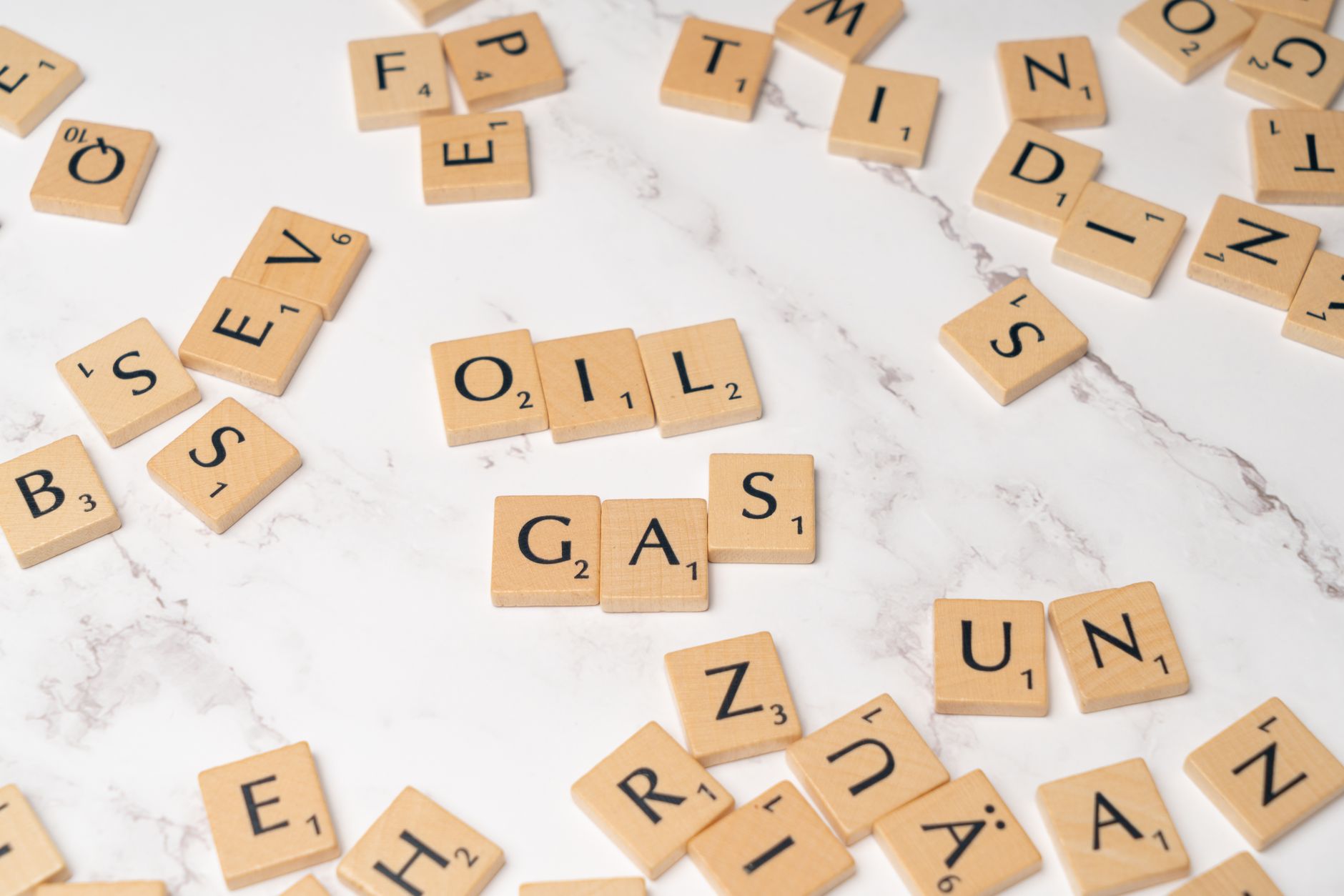
In a world where unpredictability has become the norm, the Organisation of the Petroleum Exporting Countries (OPEC) and its allies, collectively known as OPEC+, are treading a fine line. On Sunday, they opted to increment oil production by a mere 188,000 barrels per day come August. This decision, though seemingly modest, sends a clear message of continuity amidst the chaos of geopolitical strife and economic instability.
The backdrop to this cautious increase is a global oil market teetering on the edge, with prices almost returning to levels seen before the onset of the Iran war earlier this year. Iraq, buoyed by fresh investments, is aggressively lobbying for a higher production quota—a move that could potentially disrupt the group's fragile equilibrium. As the nation looks to capitalise on the current economic climate, its demands might force OPEC to re-evaluate its internal dynamics.
Meanwhile, the United Arab Emirates is breaking records in its export levels, shipping out 3.7 million barrels per day. Such figures underscore the complex interplay of national interests within OPEC+, where each member juggles the dual objectives of maximising revenue and maintaining collective stability.
Historically, OPEC has wielded significant influence over global oil prices, often acting as a stabilising force in volatile markets. However, the rise of non-OPEC producers and technological advances in oil extraction have somewhat diminished this control. The US light, tight oil revolution, for instance, has made non-OPEC supply more adaptable to price fluctuations, challenging the cartel's dominance.
As OPEC+ continues its dance of diplomacy and strategy, the world watches closely. Their decisions not only affect the immediate pricing of oil but also have far-reaching implications for global economic health. By opting for incremental increases, the group seems intent on steering clear of rash moves that could incite further uncertainty.
In sum, while the move to boost production might appear as business as usual, the underlying currents within OPEC+ suggest a much more nuanced narrative. As they navigate these turbulent waters, their ability to maintain unity and control will be tested like never before.