OPEC's Steady Hand Amidst Global Uncertainty
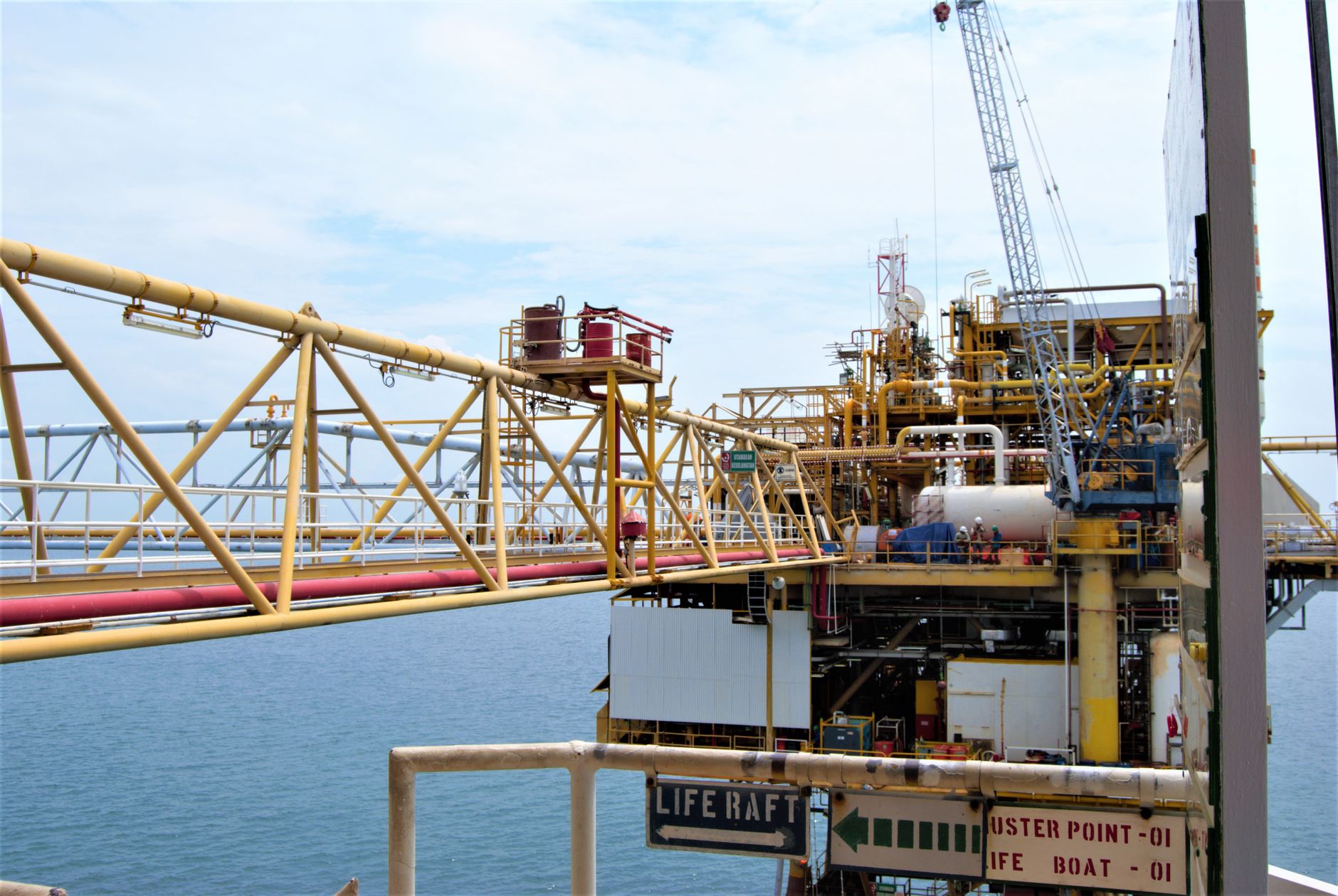
On a day where the world's eye was fixed on Vienna, OPEC+ convened to chart a course through the fog of geopolitical strife and economic volatility. The oil cartel's decision to modestly increase production by 188,000 barrels per day is less about meeting immediate demand and more about sending a signal of normalcy amidst chaos.
In the aftermath of the Iran conflict, oil prices have experienced a rollercoaster ride, challenging the resilience of global markets. Yet, as the dust begins to settle, OPEC+'s move is interpreted as an attempt to stabilise prices and reassure jittery investors.
Pressures from Within and Without
Internally, the cartel faces mounting pressure from member states like Iraq, eager to capitalise on their reserves and expand production quotas. Externally, the shifting sands of global politics have made the oil market as unpredictable as ever. The recent surge in investment by oil majors further complicates the landscape, as they vie for a larger piece of the pie.
Meanwhile, the United Arab Emirates is exporting oil at record levels, a testament to the shifting dynamics within the group. As these internal and external pressures mount, OPEC+ must navigate a fine line between appeasing its members and maintaining market equilibrium.
Steady as She Goes
Despite the inherent uncertainties, OPEC+'s decision is marked by a cautious optimism. By incrementally increasing output, the organisation hopes to avoid the pitfalls of previous market selloffs, where drastic actions led to unintended consequences.
The decision also underscores the cartel's understanding of the delicate balance between supply and demand. As non-OPEC production becomes more reactive to price fluctuations, OPEC+ is compelled to tread carefully, ensuring that its actions do not inadvertently trigger further market instability.
Ultimately, OPEC+'s latest manoeuvre is less about revolution and more about evolution. In a world where unpredictability is the norm, the cartel's steady hand aims to guide the market through turbulent waters with as little disruption as possible.