Pandemic Preparedness Lags: Lessons from Ebola and Hantavirus
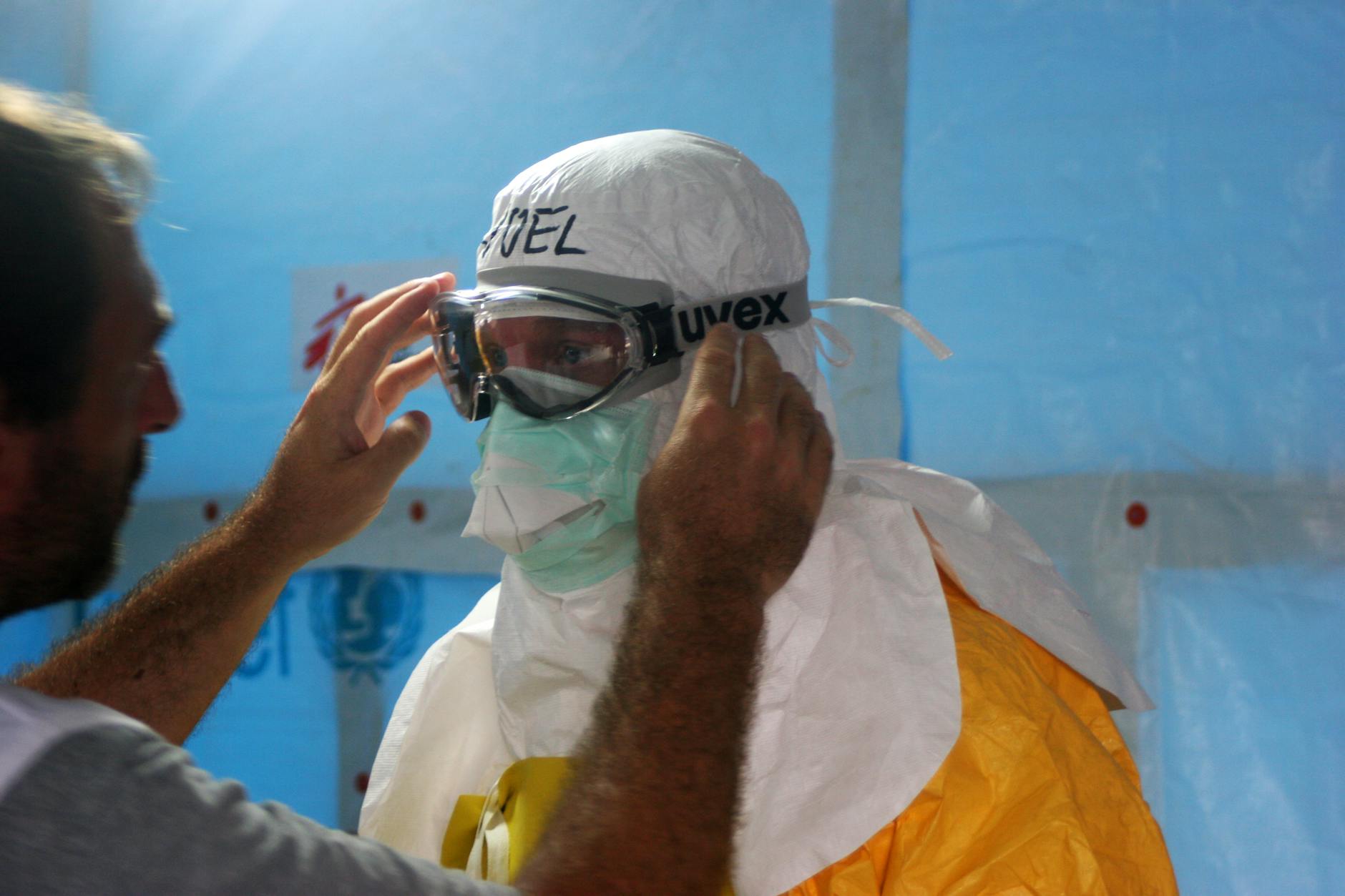
In the shadow of recent outbreaks in Africa, the world finds itself yet again on the back foot when it comes to pandemic preparedness. Ebola has re-emerged in the Democratic Republic of the Congo and Uganda, prompting a scramble among health agencies to contain its spread. This resurgence has reignited critical discussions about global readiness to face infectious diseases.
Despite the low immediate risk to Western nations, the Ebola outbreak has underscored the vulnerabilities in our health systems. The Bundibugyo strain, known for its rapid spread, has been a cause for concern among health experts who are urging for a more robust international response.
A Tale of Two Viruses
While Ebola captures headlines, another virus, hantavirus, is quietly posing questions about our outbreak response strategies. Although hantavirus is unlikely to become a pandemic due to its rare human-to-human transmission, its emergence serves as a stark reminder of our interconnected vulnerabilities.
The World Health Organisation’s Director-General, Tedros Adhanom Ghebreyesus, emphasised the importance of collaborative efforts, citing the recent response to hantavirus as a model of international coordination. Yet, many experts argue that these efforts are insufficient and often reactive rather than proactive.
Economic and Health Implications
The economic implications of pandemics cannot be overstated. The COVID-19 pandemic has already demonstrated the devastating impact on global economies, and experts fear that future outbreaks could be even more disruptive if preparedness does not improve. The cost of inaction, they argue, far outweighs the investments required to bolster our defences.
As the world grapples with these health threats, the call for a unified and well-funded global health strategy grows louder. The lessons from Ebola and hantavirus underline the urgent need for a comprehensive approach to pandemic preparedness, one that integrates technological advancements with efficient on-ground strategies.
Ultimately, while the immediate threat from these viruses may vary geographically, the potential for widespread disruption remains. The time to act is now, before the next outbreak tests our readiness once more.