Panipat: India's Unseen Burden of Fast Fashion Waste
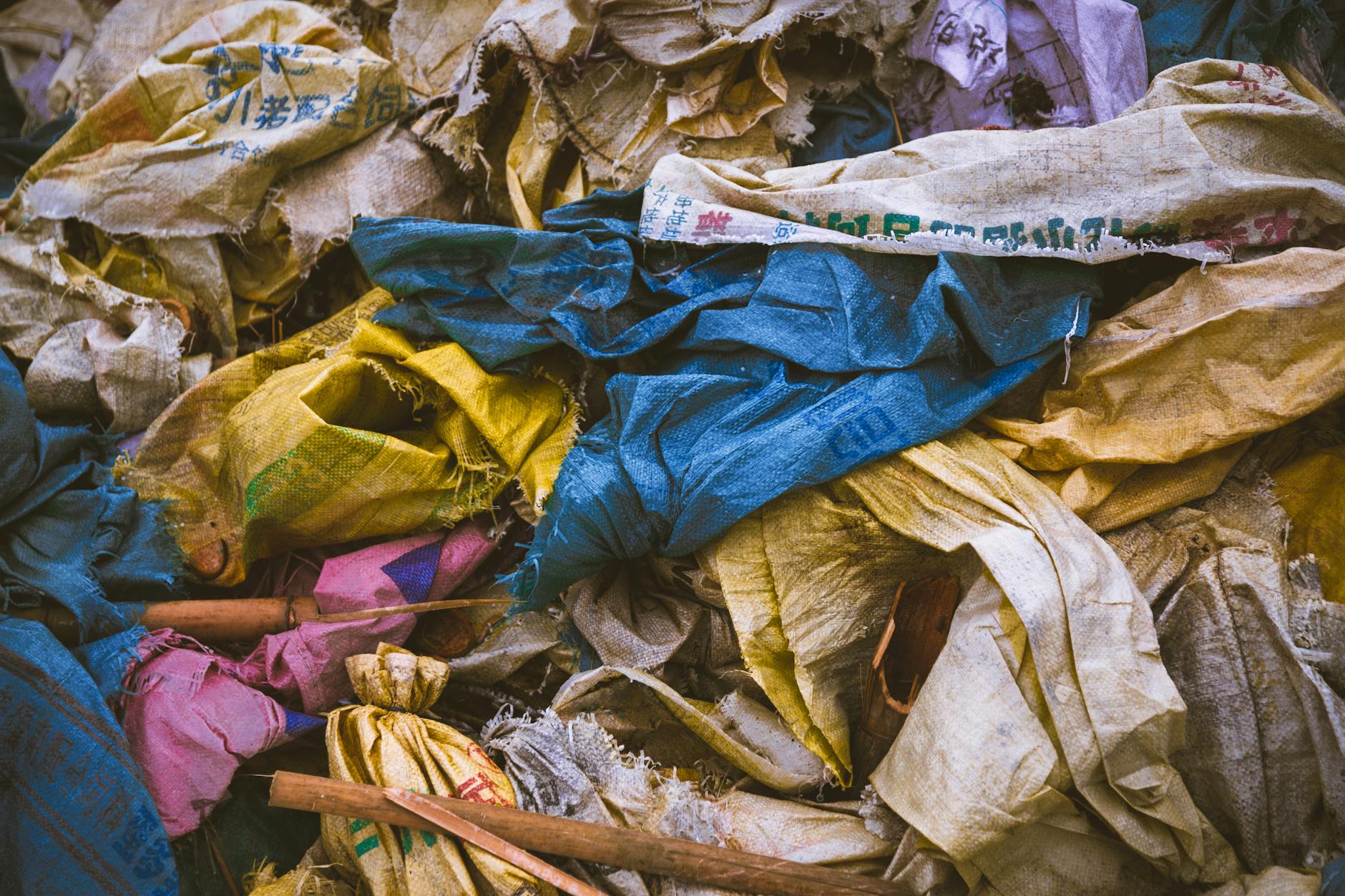
In the heart of Haryana, Panipat stands as an unassuming testament to the world’s voracious appetite for fast fashion. Here, the discarded garments of Europe and North America find a second life—or rather, a second demise. As thousands of tonnes of clothing arrive, they are dismantled, shredded and spun into new forms, often rugs and blankets destined for foreign markets.
Yet behind this industrious facade lies a grim reality. The workers who labour tirelessly in crowded warehouses earn meagre wages for their efforts, often at the expense of their health. Dust and chemical dyes permeate the air, posing an omnipresent threat to respiratory health. It’s a silent crisis, largely unseen by the world that so eagerly disposes of its fashion excess.
The Environmental Toll
Panipat’s recycling operations are a double-edged sword. While they provide jobs and prevent some waste from reaching landfills, they also contribute to environmental degradation. The process of shredding and dyeing the clothes releases pollutants into the air and water, further exacerbating the city’s pollution woes.
Moreover, the sheer volume of clothing processed here highlights a larger issue: the unsustainable nature of fast fashion itself. As Western consumers continue to demand ever-cheaper garments, the burden falls disproportionately on places like Panipat, where environmental and human costs are treated as collateral damage.
Looking Forward
There is a growing call for change. Advocates argue for stricter regulations on the import of discarded textiles and more sustainable practices within the fashion industry itself. They urge consumers to reconsider their buying habits, emphasising quality over quantity.
Ultimately, the fate of Panipat and places like it is intertwined with the global community’s willingness to acknowledge and address the true cost of fast fashion. Until then, the city will continue to pay a steep price for the world’s sartorial desires.