Panipat: India's Unseen Burden of Global Fast Fashion
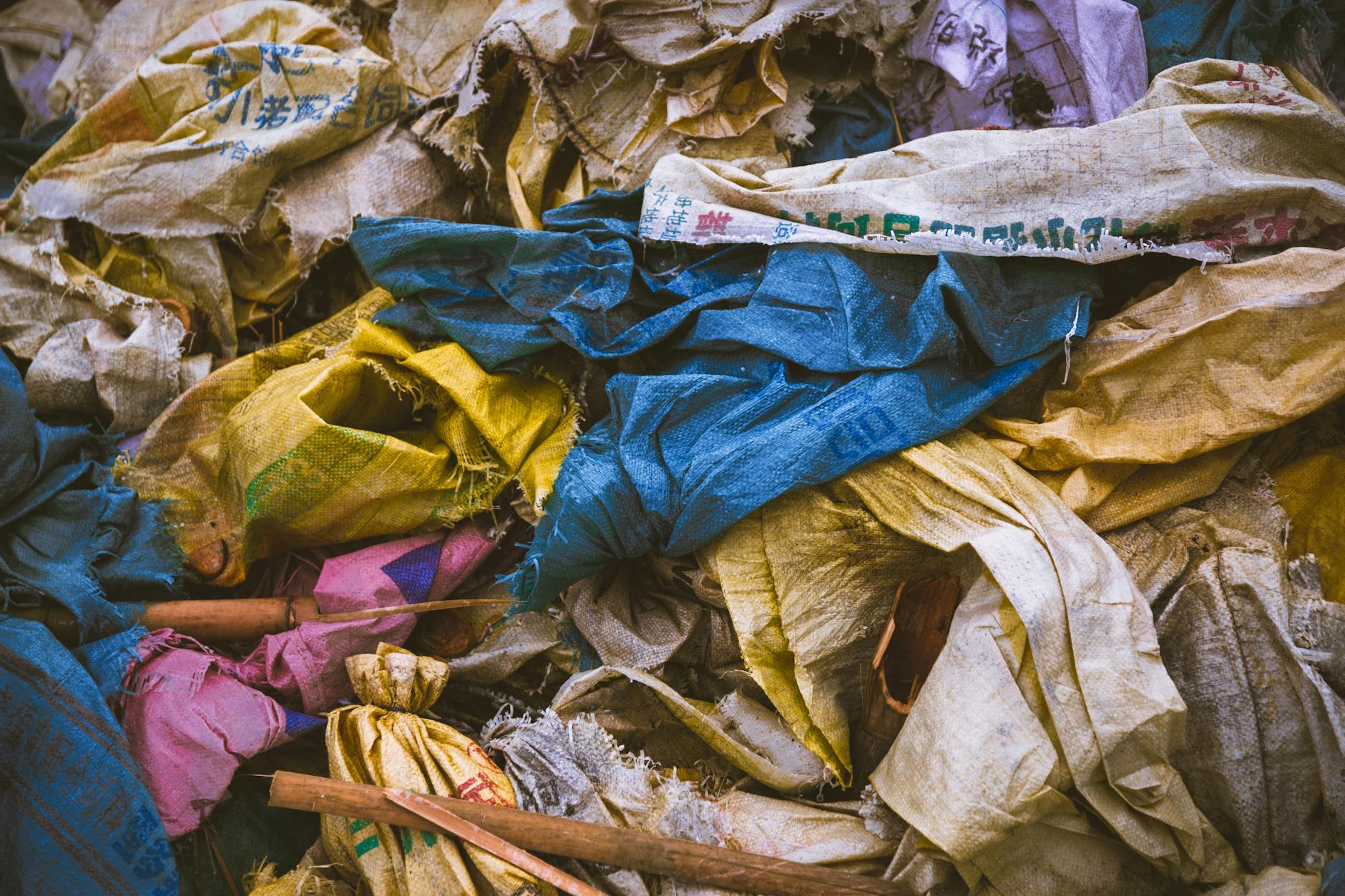
As the sun rises over Panipat, a city in northern India, its streets are already bustling with activity. Not the usual morning rush hour, but rather an army of workers engaged in the arduous task of sorting through the mountains of discarded clothing that arrive daily. This is Panipat's reality: the city has become the world's dumping ground for fast fashion.
Each year, more than a million tonnes of clothing are shipped to this unsuspecting Indian city. These garments, often discarded after just a few wears, find a second life here as they are broken down and repurposed. Yet, this global reliance on Panipat's recycling prowess comes with significant costs to the local environment and its people.
Fast fashion, epitomised by brands such as Shein, is notorious for its throwaway culture. Clothes are produced cheaply and quickly, designed to be worn for a season before being discarded. The environmental impact of this industry is staggering, consuming vast amounts of water and contributing 10% of global CO2 emissions. But it's the human cost that is perhaps more striking in Panipat.
Environmental and Health Concerns
The air in Panipat is thick with pollutants as the process of recycling these clothes generates significant waste. Textile fibres float through the air, and the dyes used in the original manufacturing process seep into the local water supply. The health implications for residents are profound, with respiratory illnesses and skin conditions becoming increasingly common.
Moreover, the economic benefits that might be expected from such a vast industry do not always trickle down to the workers. Many of those involved in the recycling process are paid meagre wages and work in unsafe conditions, echoing the very issues that plague the fast fashion industry at large.
A Global Problem with Local Consequences
Panipat's situation serves as a sobering reminder of the global ramifications of our fashion choices. While consumers in wealthier countries enjoy the latest trends at bargain prices, cities like Panipat bear the brunt of the industry's darker side. This localised burden underscores the need for more sustainable practices and a reevaluation of what it means to be fashionable.
Efforts are being made to address these issues, with some calling for stricter regulations on textile waste imports and better working conditions for those in the recycling sector. However, real change will require a concerted effort from consumers, manufacturers, and governments alike.
As Panipat continues to shoulder the weight of the world's discarded clothes, the question remains: how long can this small city sustain such a burden?