Panipat: The Price of the World’s Fast Fashion Addiction
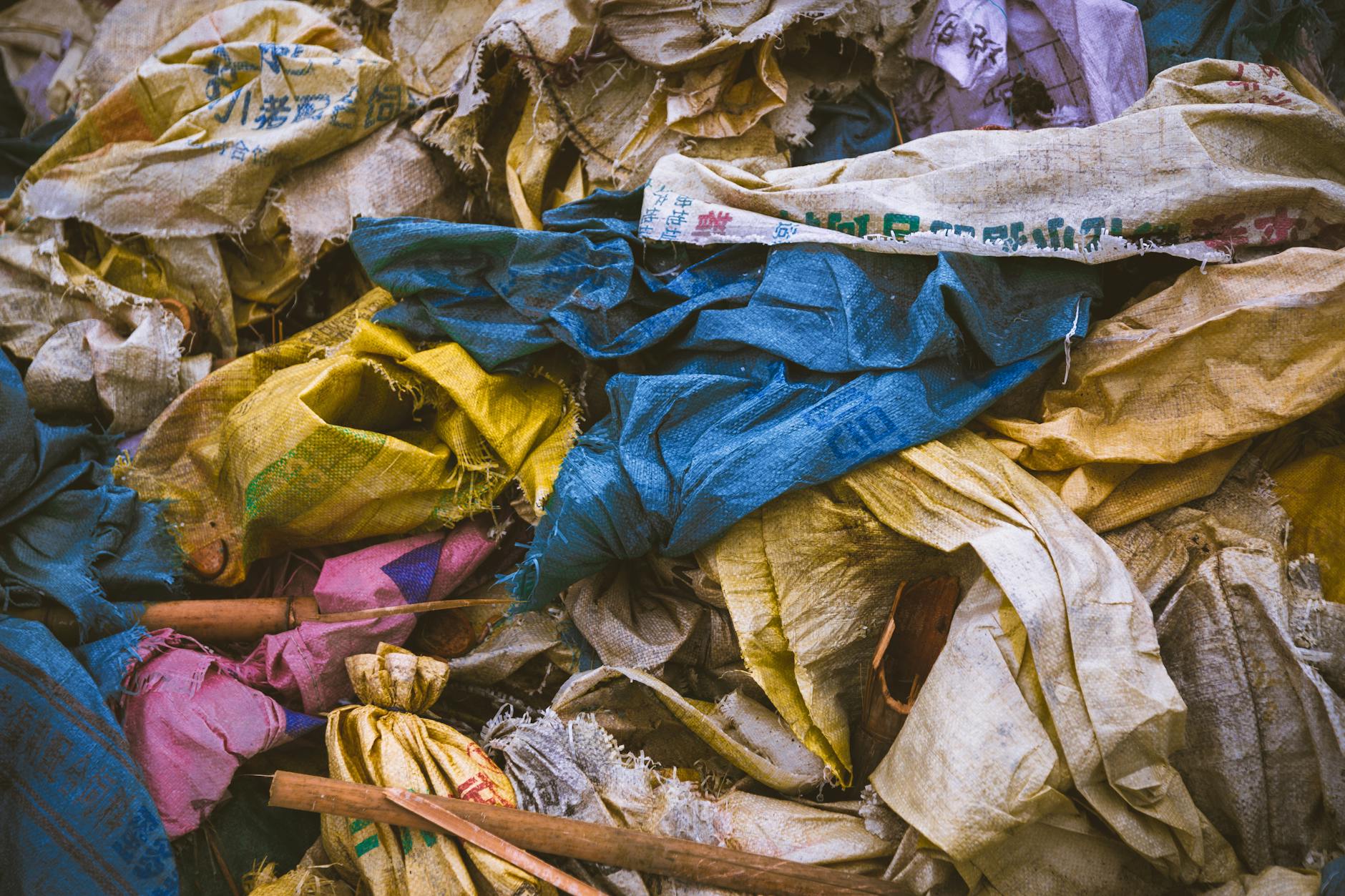
In the bustling streets of Panipat, India, discarded garments from around the world find a second life. Dubbed the "global hub of textile recycling" by Prime Minister Narendra Modi, Panipat has become a beacon for clothing waste, but at what cost?
The reality is stark. Piles of fast fashion waste litter the city, and while this might be a lucrative industry, it's a grim picture for those who live amidst the detritus. Workers in Panipat toil long hours in precarious conditions, often inhaling toxic fibres and working with little protective gear. The air is thick with pollutants, and open drains carry the chemical-laden effluents away, or sometimes not at all.
A Double-Edged Sword
On the one hand, the industry provides employment and sustains the local economy. Yet, it's the health and environment of Panipat's residents that pay the ultimate price. The fabric of the community is woven with both opportunity and adversity. Reports have documented increased respiratory ailments among workers and their families, a grim testament to the hazards of handling synthetic blends.
Lisa Kristain, a humanitarian photographer, captures the stark reality of Panipat’s children and families scavenging through heaps of discarded clothing, a poignant reminder of the broader implications of our disposable lifestyle.
Systemic Challenges
This situation is symptomatic of a larger systemic failure. The world’s fast fashion addiction has led to an overwhelming influx of textile waste disguised as charity. India, a nation that historically prized durability, now grapples with disposability on an industrial scale.
Calls for stricter regulations on second-hand clothing imports are growing louder. The concept of Extended Producer Responsibility (EPR) is gaining traction, advocating for fashion brands to take accountability for the lifecycle of their products. Without such measures, Panipat's residents will continue to shoulder the burdens of the fast fashion industry.
The world must reckon with its synthetic addiction, lest the true costs continue to be offloaded onto the vulnerable communities of Panipat.