Panipat: The Unseen Cost of Fast Fashion's Waste
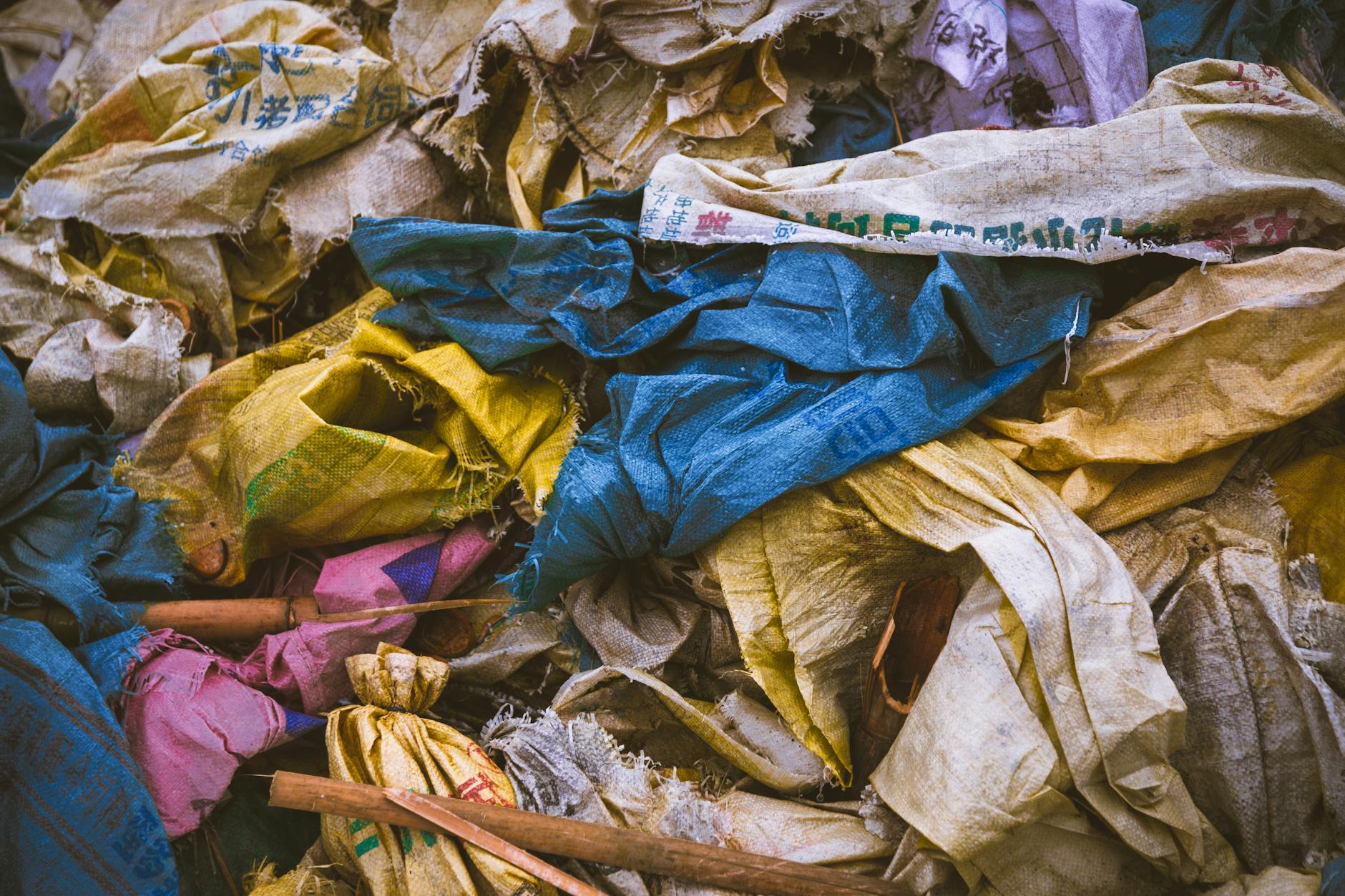
Amid the clatter of sewing machines and the whirr of looms, Panipat, a city in northern India, grapples with a less glamorous side of fashion. Each year, over a million tonnes of discarded fast fashion garments are shipped to this industrial hub, transforming it into an epicentre for textile recycling.
For many, the allure of fast fashion lies in its affordability and style, a combination that has led to its meteoric rise. Yet, beneath the surface, this consumerist frenzy comes at an environmental and social cost, evident in the daily life of Panipat's residents.
Environmental Toll
Vast mountains of clothing waste line the outskirts of Panipat, a stark reminder of the fashion industry's transience. The environmental impact is profound; toxic dyes and synthetic fibres seep into the earth, polluting water sources and degrading soil quality. This contamination not only affects agricultural productivity but poses significant health risks to local communities.
Despite the challenges, Panipat has carved a niche in recycling these textiles. The city is renowned for its ability to transform discarded garments into new products, such as blankets and mats. However, this industry is not without its pitfalls. The recycling process is labour-intensive and often conducted under precarious conditions, with workers facing exposure to harmful chemicals without adequate protection.
Social Implications
The human cost of fast fashion's waste is borne primarily by Panipat's labourers, many of whom are women working for minimal wages. Their plight highlights the broader issue of worker exploitation within the global fashion supply chain. While these jobs provide much-needed income, they do little to lift workers out of poverty or improve their quality of life.
As the world continues to indulge in the fast fashion trend, there is a growing need for sustainable practices and greater accountability. Initiatives promoting ethical fashion and responsible consumption are gaining traction, yet the pace of change remains slow.
For Panipat, the challenge is clear: balancing economic benefits of the recycling industry with environmental sustainability and social welfare. The city's story is a poignant reminder of the hidden costs behind our clothes, urging both producers and consumers to consider the real price of fashion.