Panipat: The World's Discarded Wardrobe and Its Hidden Cost
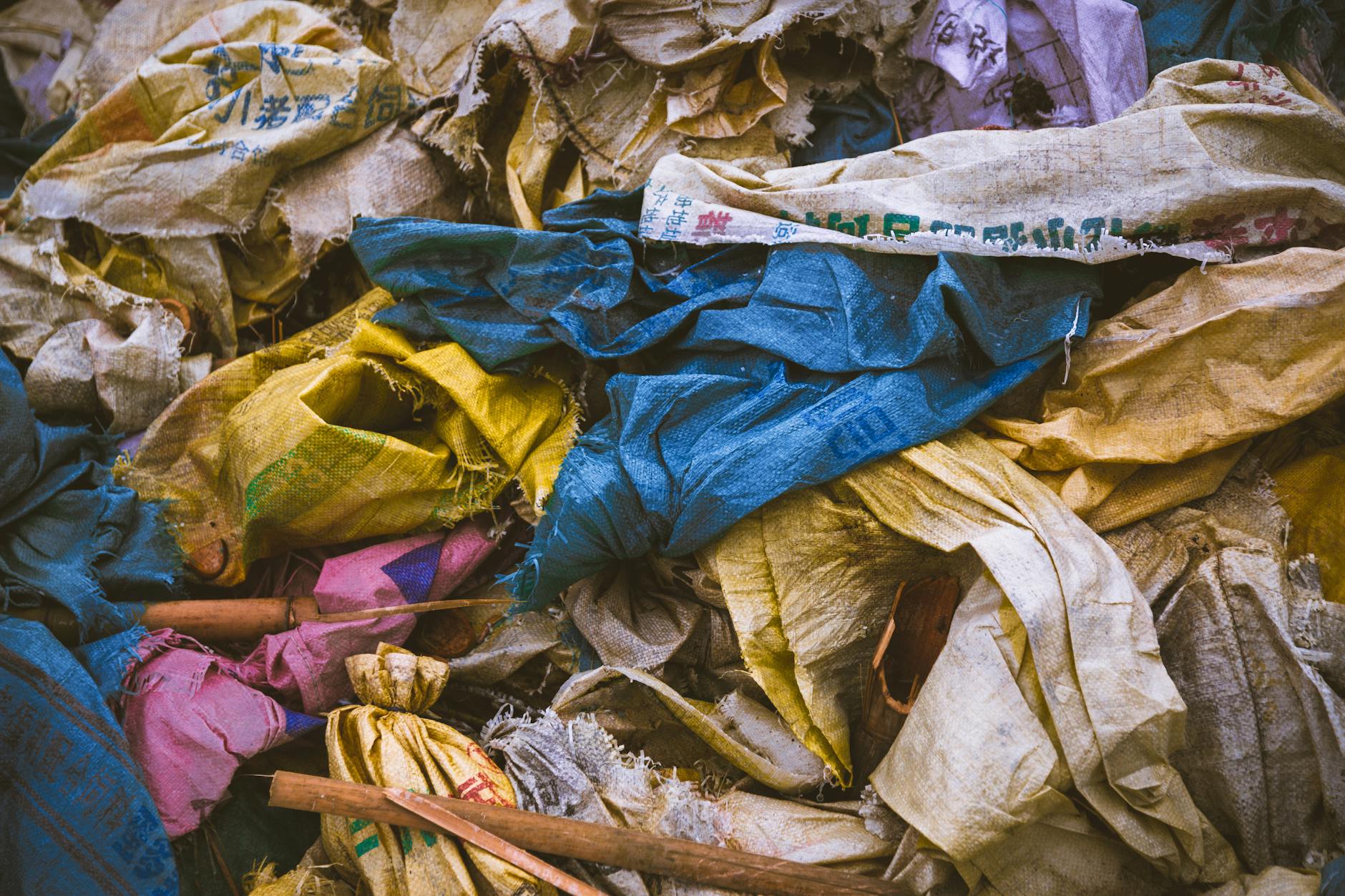
In Panipat, the air is thick with the scent of second-hand textiles. This city, known more for its historic battles, now finds itself at the centre of a modern conflict—between sustainability and the relentless churn of fast fashion. Here, the garments that once lined the high streets of London, New York, and beyond end up, not on display racks, but in enormous bales ready for sorting and repurposing.
Every year, over a million tonnes of clothing arrive in Panipat, a testament to the global appetite for cheap, quickly discarded fashion. Shein and other fast fashion giants, while fuelling consumer desires, inadvertently drive this industry. The clothes, often made in the sweatshops of Guangzhou, are designed for obsolescence, an irony not lost on those who labour to give them a renewed purpose.
For the residents of Panipat, the economic benefits are undeniable. The city provides thousands of jobs, from the workers who meticulously sort through garments to the skilled artisans who transform them into new products. Yet, the environmental toll is stark. The processing of these textiles demands vast quantities of water and energy, contributing to pollution and health issues among locals.
The Hidden Price
While the world congratulates itself on this seemingly circular economy, the hidden costs tell a different story. The dyes and chemicals used in clothing production seep into the local water supply, affecting both agriculture and daily life. Respiratory problems are common among workers, a consequence of prolonged exposure to dust and fibres.
The story of Panipat is not just about fashion. It is a microcosm of a global challenge, one that questions the sustainability of our consumption habits. The rise of fast fashion has been meteoric, but its consequences are far-reaching, touching lives far removed from the catwalks and boutiques where trends are born.
As the world grapples with climate change and environmental degradation, Panipat stands as a stark reminder of the cost of convenience. It urges us to reconsider the value we place on clothing and to ponder the true meaning of sustainability.