Panipat: Where Fast Fashion's Waste Finds Its Final Home
In the bustling streets of Panipat, where vivid saris and vibrant festivals colour everyday life, there lies a more sombre palette—mountains of discarded clothing. This unassuming city in northern India has earned the moniker of the 'castoff capital of the world'. Shipments of unwanted garments from Europe and North America arrive here by the tonne, ready to be shredded, spun into yarn, and woven into new products.
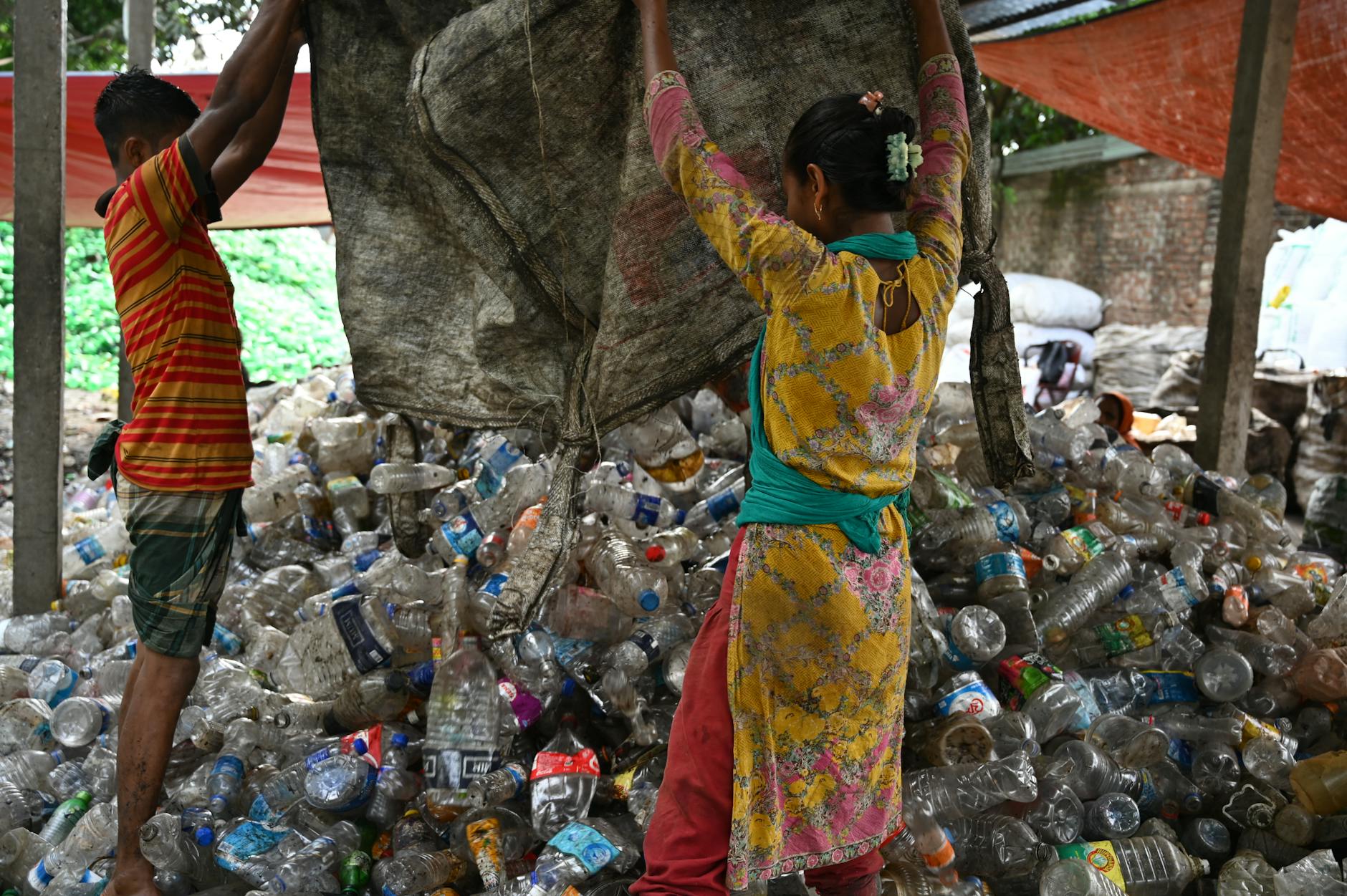
At first glance, it seems an ingenious solution to fashion's waste problem. Yet, the reality on the ground is far from the rosy picture painted by advocates of circular fashion. Thousands of workers, often women and children, toil in hazardous conditions, breathing in fibres and dust that hang heavy in the air. The local environment, too, bears the scars of this industry—rivers choked with dye, air thick with emissions, and land burdened with textile detritus.
The Human Toll of Fast Fashion
For the residents of Panipat, the cost of fast fashion extends beyond economic exploitation. Many workers earn a pittance, barely enough to support their families, while facing serious health risks. Respiratory issues and skin ailments are common among those who handle these textiles daily. Despite the industry's billion-dollar turnover, the wealth hardly trickles down to those labouring at the bottom of the hierarchy.
The environmental impact is equally devastating. The dyes and chemicals used in processing the textiles often find their way into local water bodies, rendering them toxic. The air quality, too, is a growing concern, with emissions from factories contributing to a persistent haze that envelops the city.
A Call for Sustainable Change
As global awareness of environmental issues grows, the need for sustainable fashion practices becomes ever more urgent. While Panipat plays a crucial role in managing global textile waste, the city is also a stark reminder of the human and ecological cost of fast fashion. The Indian government and international bodies must collaborate to create a framework that prioritises the welfare of workers and the health of the planet.
Only through comprehensive reform can the fashion industry transform from a symbol of consumption to one of sustainability. Panipat, with its intricate web of challenges and opportunities, stands at the crossroads of this change.