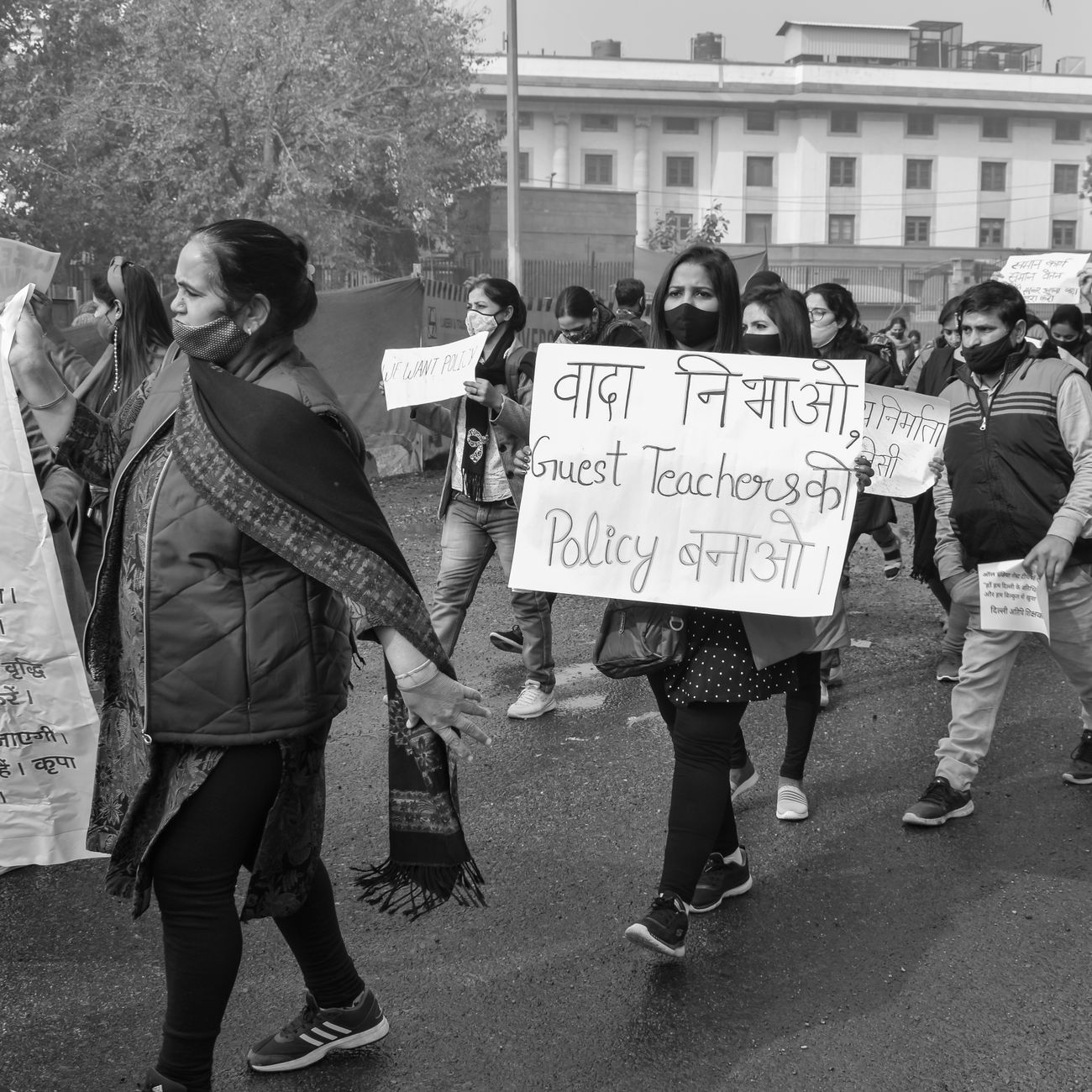
Parliamentary Report Criticises Teacher Vacancy Crisis
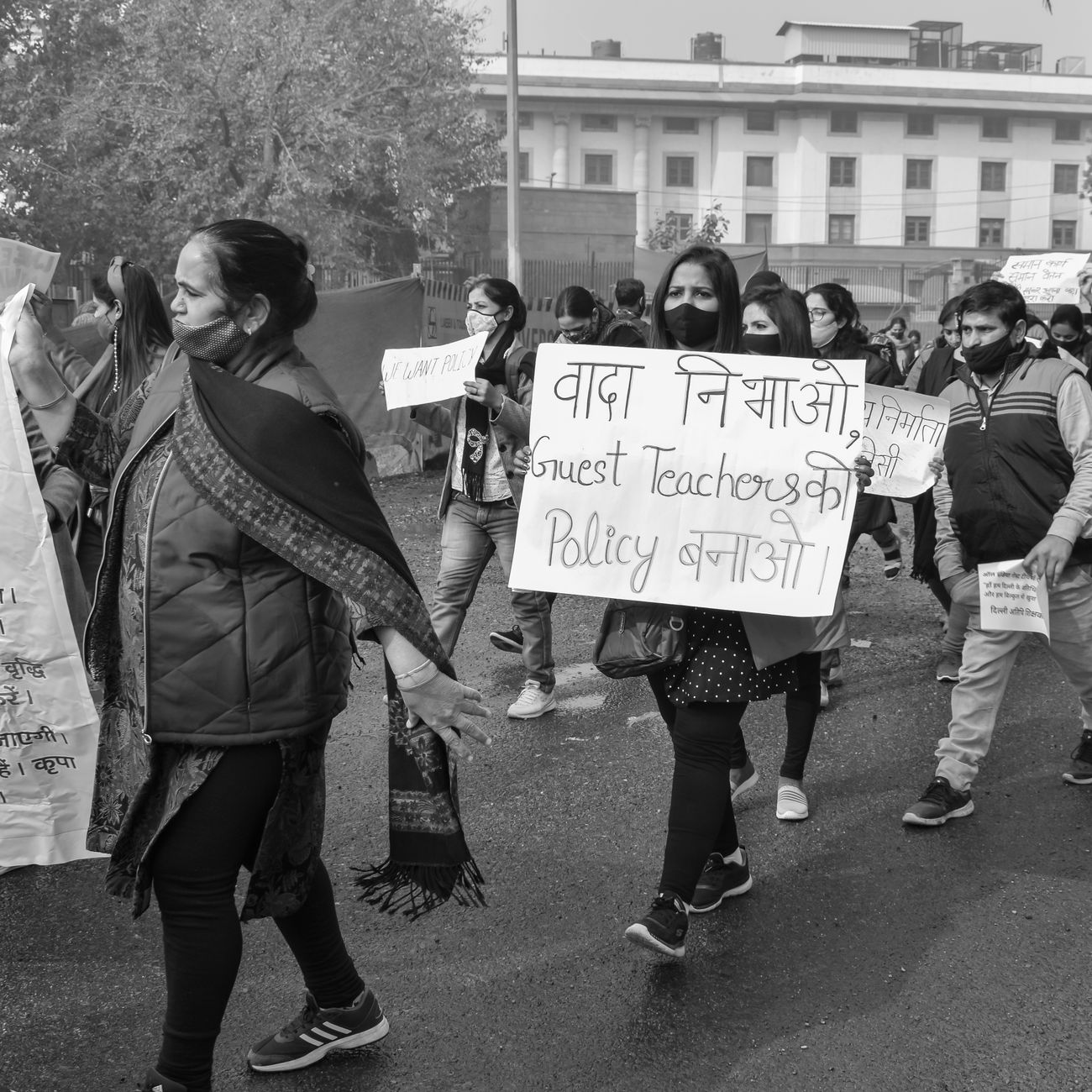
In a damning portrait of the current state of teacher education in India, the latest parliamentary report has highlighted a glaring deficit of educators, casting a long shadow over the future of the nation's academic landscape. The 368th report of the Department-related Parliamentary Standing Committee on Education, Women, Children, Youth and Sports, presented earlier this month, paints a picture of neglect, with over 10 lakh teaching positions lying vacant across the country.
The report, which scrutinises the performance of the National Council for Teacher Education (NCTE), calls for immediate government intervention. It demands that all vacancies be permanently filled by March 2026, warning against the continued reliance on temporary or contractual teaching staff. Such a move, the committee argues, is critical to uphold the quality of education in central government-run schools like Kendriya Vidyalayas and Navodaya Vidyalayas, where vacancy rates are reportedly as high as 30 to 50 per cent.
Permanent Solutions Over Temporary Fixes
The committee's findings underscore a systemic issue that has plagued the education sector for years. The reliance on contractual staff is seen not just as a stopgap measure, but a symptom of deeper administrative malaise. Without permanent staffing solutions, the report warns, the educational framework risks deteriorating further, potentially compromising the learning outcomes for millions of students.
The Congress party, seizing upon the report's recommendations, has urged the government to act swiftly. The implications of such a shortage are vast, affecting not only student performance but also the broader socio-economic fabric, as education remains a cornerstone of national development.
A Call to Action
Beyond the immediate call for hiring, the report suggests reforms within the NCTE itself, advocating for a more robust regulatory environment to ensure the consistent quality of teacher training programmes. This, it posits, is essential for producing well-trained educators equipped to meet the demands of modern classrooms.
As the deadline for government action approaches, the pressure mounts. The educational community and political stakeholders alike are keenly watching how the situation unfolds, aware that the future of India's young learners hangs in the balance.