Perk Reductions Spark Mental Health Concerns in Assam Tea Gardens
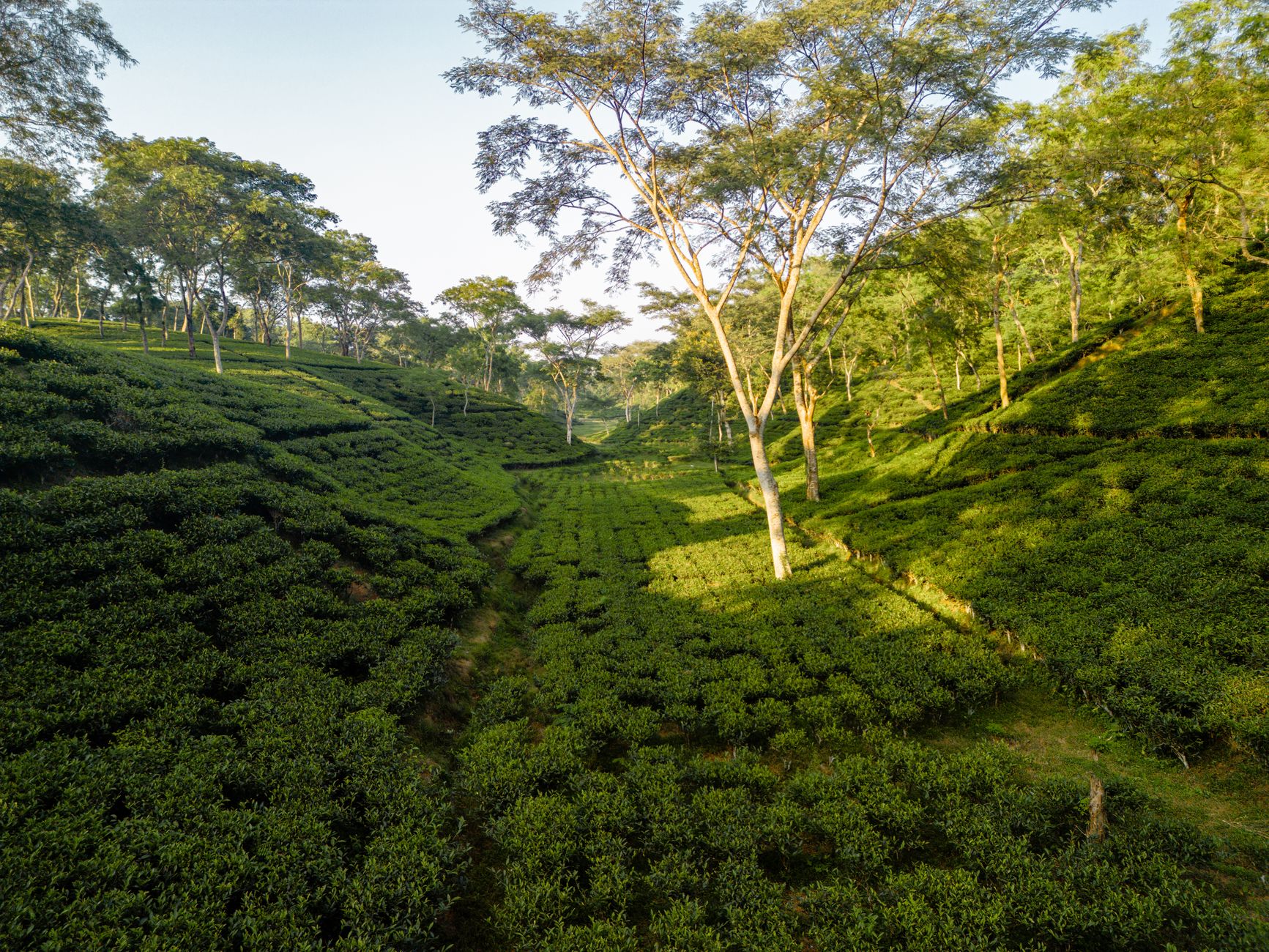
Amidst the rolling hills and lush plantations of Assam, a less idyllic narrative is taking shape, one that underscores the mental health struggles of tea garden executives. The North Eastern Tea Association (NETA) has thrown its support behind a recent doctoral study that brings to light the mounting stress and mental health issues faced by these executives.
Historically, tea garden executives were privy to a suite of perks that included housing, healthcare, and leisure facilities. However, recent cutbacks have seen these benefits gradually erode, contributing to a rise in workplace stress. The study identifies several compounding factors such as loneliness, poor lifestyle choices, and unresolved trauma which further exacerbate mental health issues.
The relentless pressures of maintaining productivity in the face of diminishing resources have left many executives feeling beleaguered. "The perks once served as a buffer against the inherent stress of the job," a senior executive lamented. "Without them, the weight of responsibility feels much heavier."
Experts warn that the mental health of workers is an issue that cannot be ignored. As industries across the globe grapple with similar challenges, there is a growing consensus that mental health support must be integrated into workplace policies. In Assam, the spotlight is now on how effectively the tea industry can address these concerns.
NETA's endorsement of the study signifies a crucial step towards acknowledging and addressing these issues, yet the path forward is fraught with challenges. Balancing budget constraints with the necessity of comprehensive mental health support requires strategic thinking and commitment from stakeholders.
As Assam's tea gardens strive to remain competitive, the mental well-being of their executives should be viewed not just as a moral obligation, but as an essential component of sustainable business practice.