Physicists Craft Miniature Universe: Time Emerges Unclocked
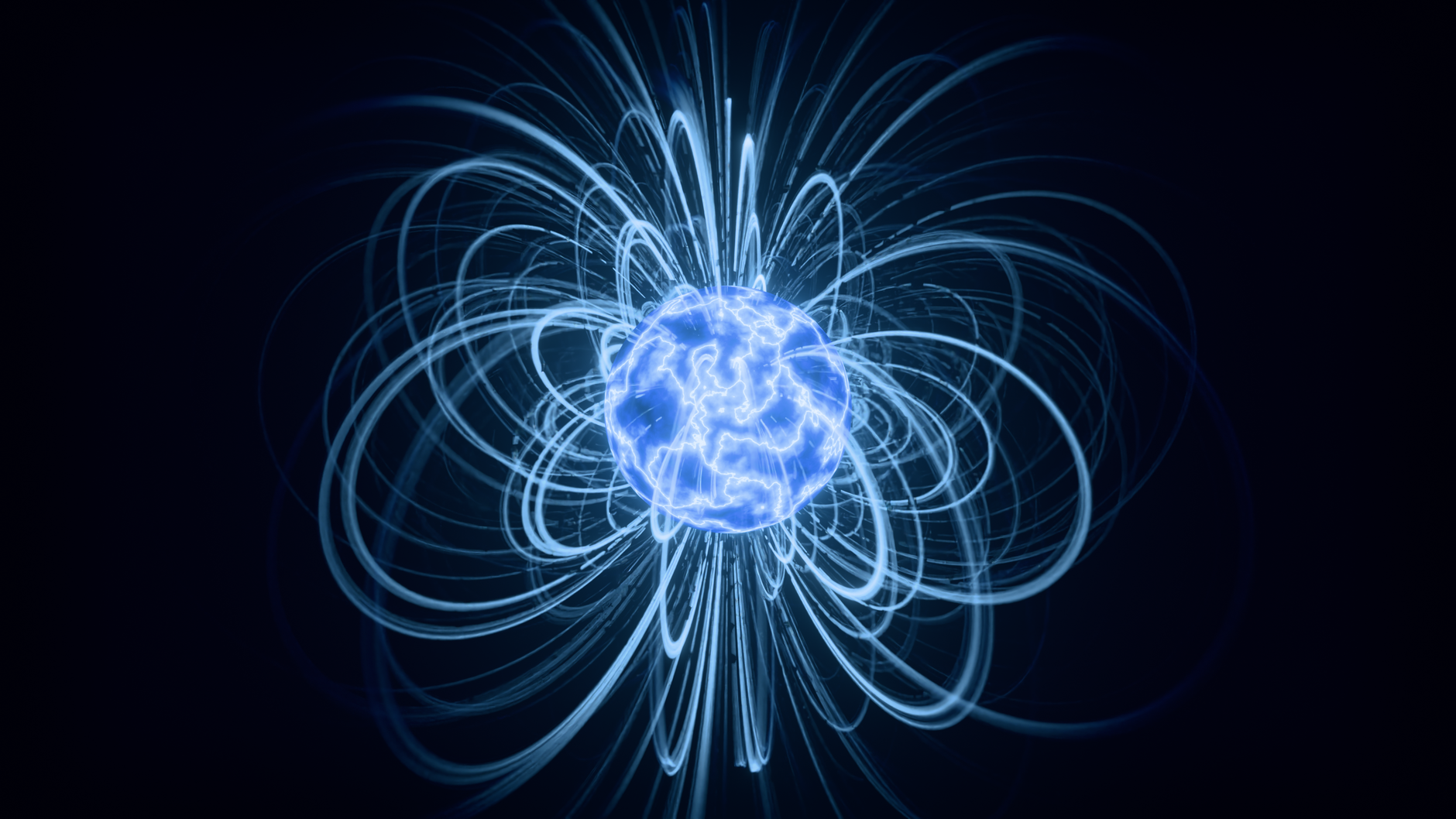
In a laboratory tucked somewhere, a physicist has managed to do what many would consider the stuff of science fiction: create a miniature universe where time emerges on its own. The experiment, which utilised a Bose-Einstein condensate, involved cooling a cloud of 24,000 atoms to temperatures near absolute zero. This state of matter allows the researchers to explore the quantum world in a unique fashion.
By observing this condensate, the physicists discovered that time could emerge without the need for an external clock—a concept that challenges the very foundations of how we perceive time. The essence of the experiment was to examine entropic time, where the flow of entropy—or disorder—appears to give rise to the phenomenon of time itself. As entropy stopped flowing, the lab clocks ticked on, yet time within the quantum system seemed to freeze, illustrating a curious paradox.
The Quantum Conundrum
The notion that time could exist without a clock is not only fascinating but also profound, as it defies the classical mechanics that have governed our understanding for centuries. The implications of this experiment are significant. It suggests that time might be an emergent property of quantum systems, rather than a fundamental dimension of the universe.
What makes this study particularly intriguing is its potential impact on the field of quantum mechanics and cosmology. If time can indeed emerge from quantum processes, it might provide insight into the early universe's conditions, offering a glimpse into how time and space initially unfolded.
Future Implications
While this experiment was conducted on a minuscule scale, the ramifications for theoretical physics are considerable. It opens up a realm of possibilities for further research into the nature of time, posing questions about the fabric of reality itself. Could we, perhaps, be on the brink of redefining time and space as we know them?
For now, the study serves as a testament to human curiosity and the relentless pursuit of knowledge. It reminds us that even the most fundamental aspects of our universe might hold secrets yet to be unveiled.