Plastic Invades the Peaks: Himalayan Wildlife Under Siege
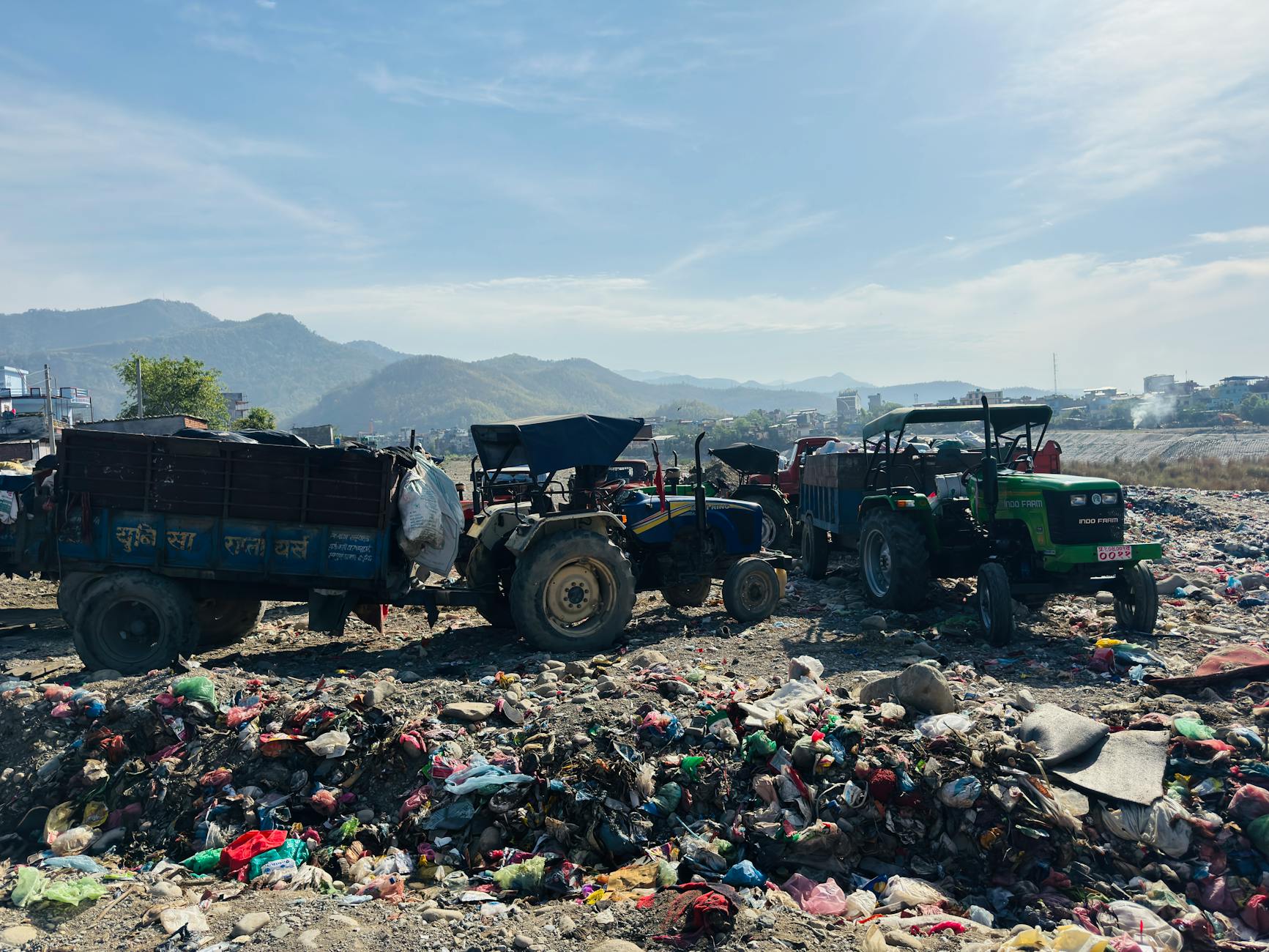
The Himalayas, often romanticised as the untouched sanctuary of nature's grandeur, are subtly crying out for help. Camera traps in the Kedarnath Wildlife Sanctuary have revealed an unsettling sight: Himalayan Tahr, graceful creatures of the alpine meadows, are seen rummaging through garbage-strewn landscapes where verdant grass once flourished.
This intrusion of plastic waste into the pristine wilderness is emblematic of a broader crisis. Across the region, eighty per cent of the plastic waste consists of single-use food and beverage packaging. It's a byproduct not just of the growing influx of tourists, but also of local practices that have yet to adapt to sustainability.
Wildlife at Risk
The plight of the Himalayan Tahr is not isolated. The Himalayan brown bear, a subspecies with a precarious population of only 500 to 750, faces existential threats from this man-made scourge. The bears, like many other species, are drawn to the rubbish, increasing their risk of ingesting harmful materials.
In response, the Zero Waste Himalaya Alliance was established in April 2025. This coalition aims to institutionalise efforts to tackle the burgeoning waste crisis. Its mission is clear: to reduce and eventually eliminate the plastic footprint in these fragile ecosystems.
A Shared Responsibility
While tourists are often blamed for the litter, local communities contribute significantly to the problem. The imperative now is for a collective effort, one that bridges cultural practices with modern ecological consciousness. The Alliance seeks to engage both locals and visitors in a dialogue to promote sustainable waste management.
The story the Himalayas are telling is not one of hopelessness, but a clarion call to action. As the plastic invades further into these once untouched realms, the time to listen and act is now. Protecting the Himalayas' natural beauty is a responsibility shared by all who tread its sacred paths.