Political Storm Brews as IPL Final Moves from Bengaluru to Gujarat
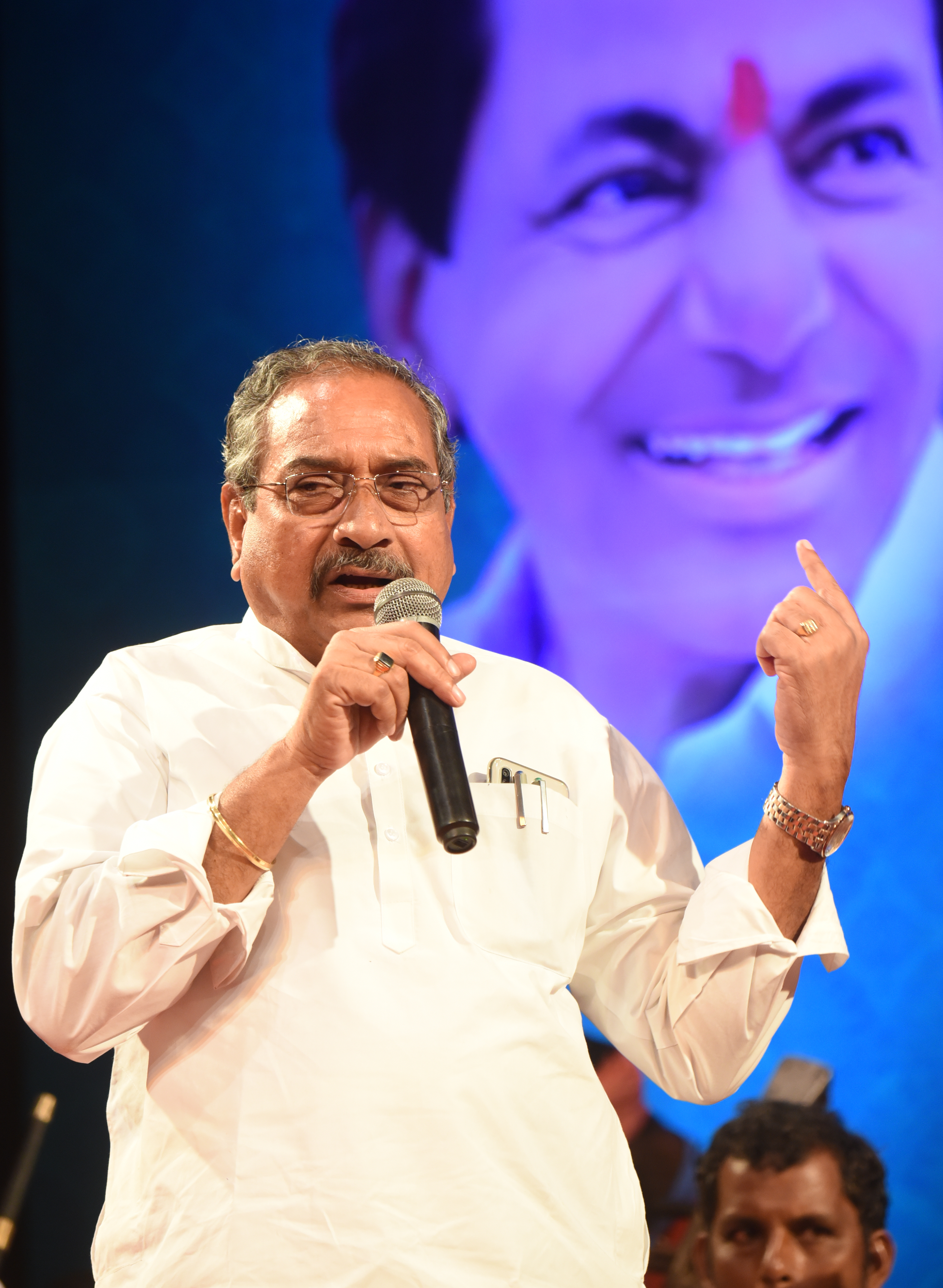
The decision to relocate the IPL final from the cricket-crazy city of Bengaluru to the Narendra Modi Stadium in Gujarat has stirred a political tempest, with Karnataka's incoming Chief Minister, D.K. Shivakumar, leading the charge. Describing the move as a calculated injustice to Karnataka, Shivakumar did not mince his words, suggesting that politics, rather than logistics, had driven the decision.
In a statement that has resonated across political and sporting circles, Shivakumar argued that Bengaluru, with its rich cricketing history and fervent fan base, deserved the honour of hosting the final. 'This is not just about a cricket match; it's about respect for Karnataka's cricketing tradition,' he asserted, hinting at a broader narrative of regional pride.
Political Undercurrents
While the Indian Premier League organisers have cited logistical advantages and stadium capacity as reasons for choosing Gujarat, critics, including Shivakumar, perceive a political undercurrent. The Narendra Modi Stadium, named after the Prime Minister, is a symbol of Gujarat's growing prominence on the national stage, and some suggest this choice reflects more than just practical considerations.
Shivakumar's comments come against a backdrop of ongoing political manoeuvring in Karnataka, where he is set to take office following a closely contested election. His stance may be seen as an attempt to consolidate his political base, projecting himself as a defender of Karnataka's interests.
Sport and Politics
The intersection of sport and politics is no new phenomenon in India, a country where cricket often plays a role in broader societal narratives. The IPL, with its massive viewership and financial clout, is particularly susceptible to such entanglements. This latest controversy serves as a reminder of the complex web of influences that can affect even the most seemingly straightforward of decisions.
As the dust settles, cricket fans across Karnataka are left to ponder what might have been. For Shivakumar, the battle lines are drawn, and the message is clear: Karnataka's voice must be heard, both on and off the field.