Political Turmoil in Punjab: The 'Satluj' Film Controversy
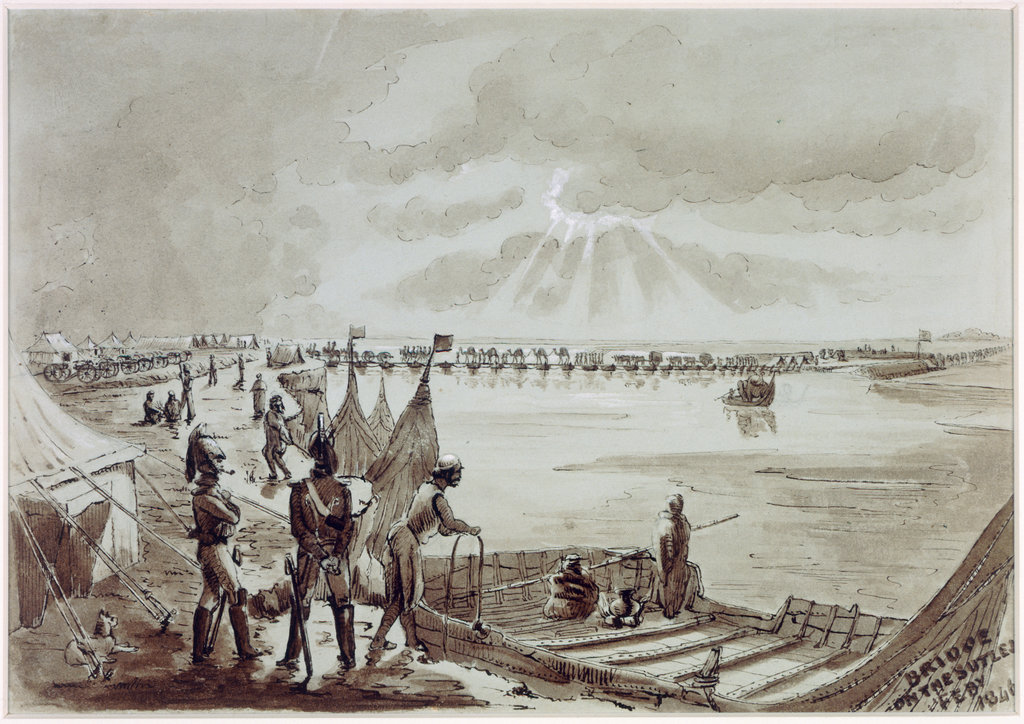
The film Satluj has become an unlikely flashpoint in Punjab's political landscape, as its sudden disappearance from the streaming service ZEE5 has sparked widespread debate and indignation. The film, starring the popular artist Diljit Dosanjh, delves into the tragic story of Jaswant Singh Khalra, a human rights activist who exposed the grim realities of enforced disappearances and secret cremations in Punjab during the 1980s and 1990s.
Controversy and Censorship
Released to much anticipation, Satluj was pulled from the digital platform merely two days after its debut. This abrupt removal has raised eyebrows and prompted questions about the motivations behind such a drastic measure. Kultar Singh Sandhwan, the Speaker of the Punjab Vidhan Sabha, did not mince words, questioning why the central government seemed 'afraid of the truth'.
The film's journey to the screen was fraught with obstacles. It faced extensive delays, underwent 127 cuts by the Central Board of Film Certification, and endured numerous title changes. Despite these hurdles, its sudden ejection from ZEE5 has added another layer to its troubled history.
Political Ramifications
The removal has not just incited artistic and public outrage but has also morphed into a significant political issue. It has reignited discussions about freedom of expression and the role of cinema in confronting uncomfortable historical truths. Opposition parties have seized the moment to criticise the ruling government's approach to censorship and control over cultural narratives.
The Larger Debate
At its heart, the controversy surrounding Satluj is about more than just a film. It is a poignant reminder of the delicate balance between storytelling and political sensitivity in a region with a complex and painful history. As the debate rages on, the call for transparency and accountability grows louder, with many demanding that the film be reinstated to allow audiences to judge its message for themselves.