Pranab Mukherjee's Daughter Critiques Rahul Gandhi's Absence
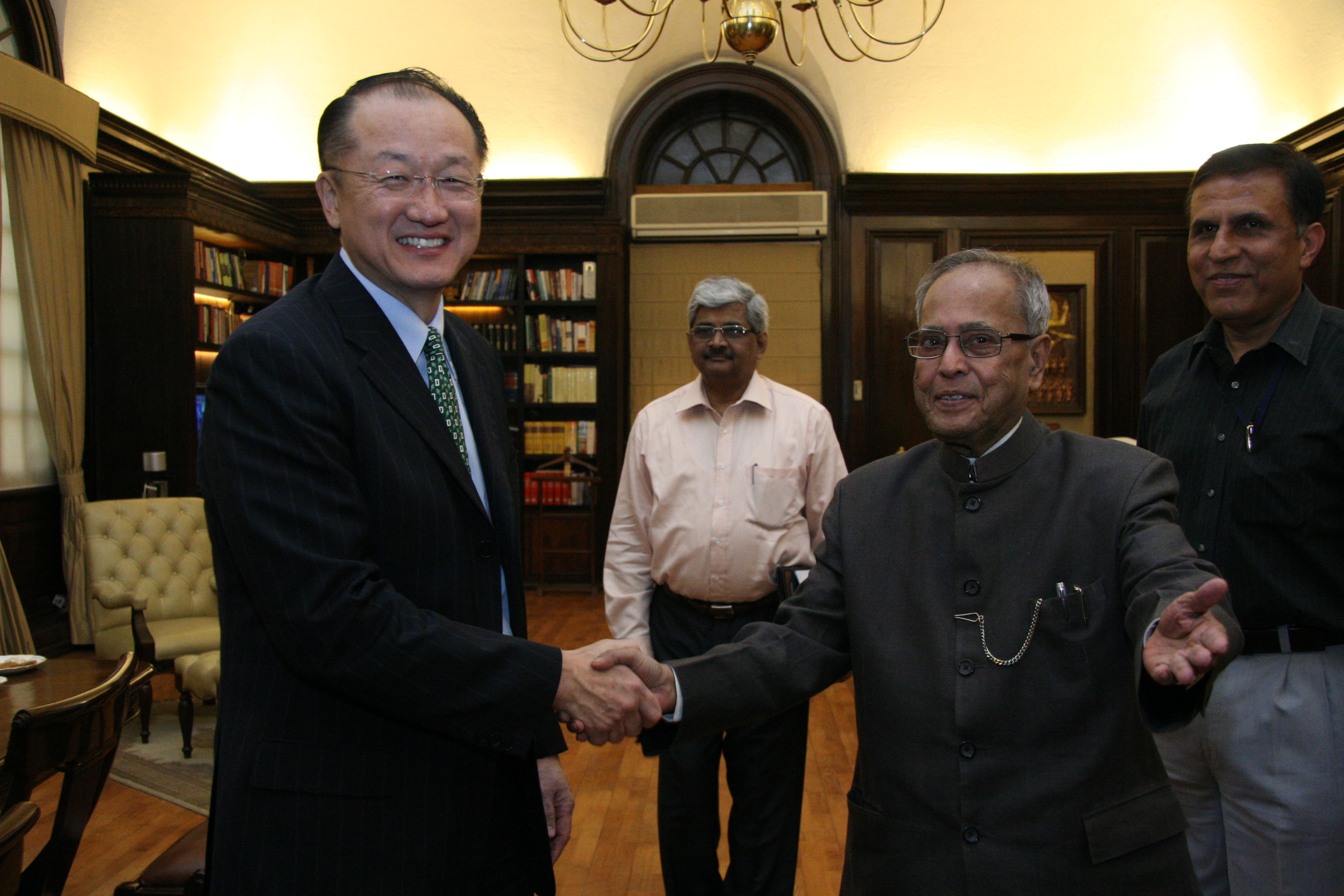
In a pointed critique, Sharmistha Mukherjee, daughter of the late Pranab Mukherjee, has questioned the commitment of Rahul Gandhi, a prominent figure in the Indian National Congress. Her comments come as Gandhi faces scrutiny for his periodic absences from the political scene, a pattern that has provoked debate within the party and beyond.
Speaking to reporters, Mukherjee said, 'Politics is a 24-hour job. One cannot afford to disappear when the going gets tough.' Her remarks echo the sentiments of many within the Congress who are concerned about leadership consistency and accountability at a time when the party faces significant challenges.
A Legacy of Leadership
Pranab Mukherjee, known for his unwavering dedication to public service, set a high bar for political engagement. As such, his daughter's comments carry particular weight. They serve as a reminder of the expectations placed upon those at the helm of India's oldest political party.
Rahul Gandhi, despite being a central figure in the Congress, has often been criticised for his intermittent involvement. His recent absence, coinciding with critical party meetings and national issues, has reignited discussions about his role and the future direction of the party.
The Challenges Ahead
The Congress Party, once the dominant force in Indian politics, finds itself at a crossroads. Faced with electoral setbacks and internal dissent, the need for steady leadership is more pressing than ever. Mukherjee's comments are a call to action, urging party leaders to demonstrate commitment and resilience.
As India navigates complex socio-political challenges, the role of the Congress in shaping national discourse remains crucial. The discourse surrounding Gandhi's absences highlights broader questions about leadership styles and the demands of modern political life.
Ultimately, Mukherjee's critique is not just a comment on Gandhi's personal choices but a broader reflection on the evolving nature of political responsibility in India. In an era where public scrutiny is intense, the actions—or inactions—of political leaders are under constant evaluation.