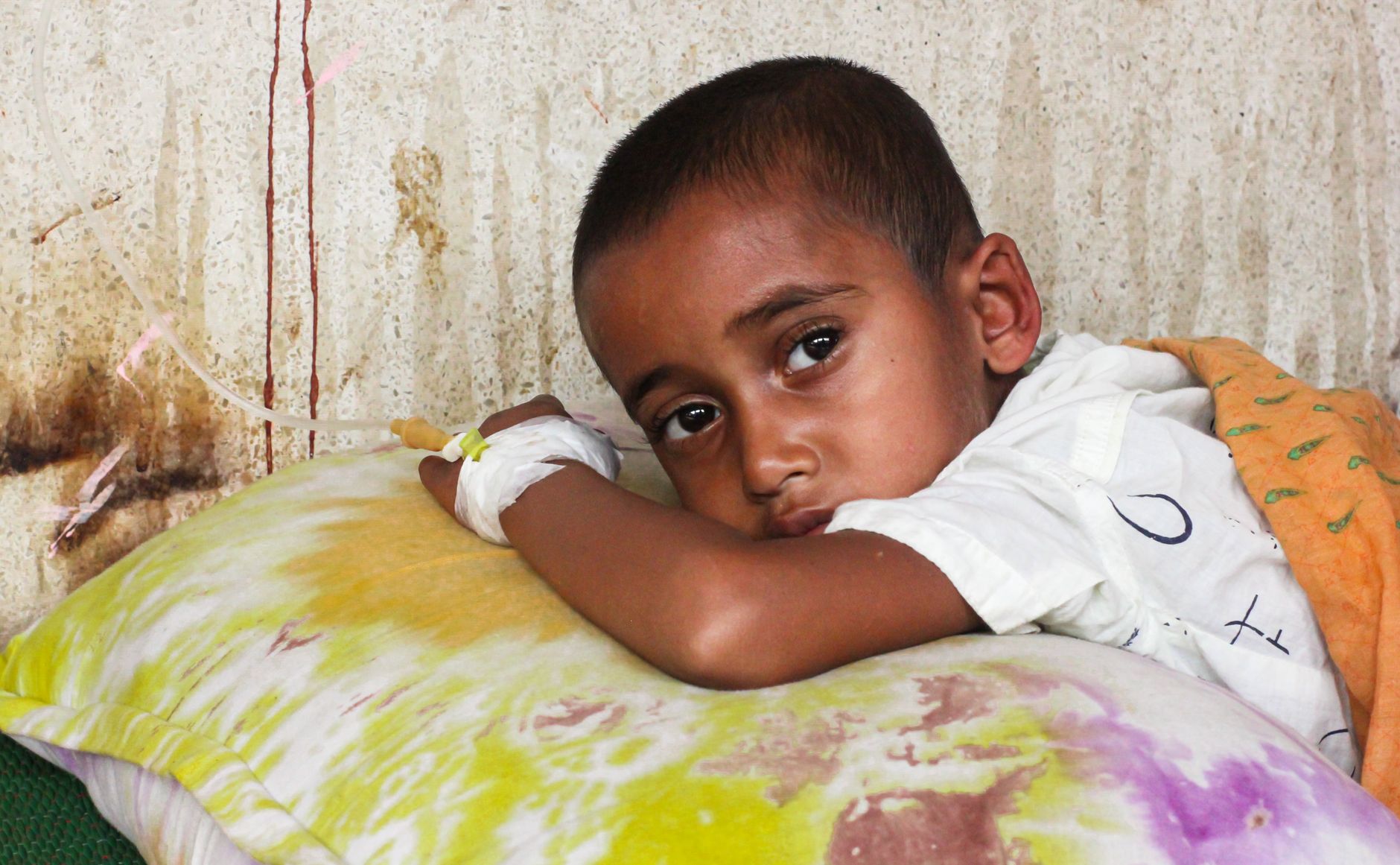
Progress in Global Health Under Threat of Reversal
A decade of extraordinary strides in global health could be at risk of unravelling. As millions gain access to essentials like clean water and basic hygiene, the spectre of setbacks looms due to escalating challenges in the health sector.
Between 2015 and 2024, access to safely managed drinking water reached 961 million more people, and sanitation services expanded to 1.2 billion individuals. Basic hygiene became a reality for 1.6 billion, while 1.4 billion gained clean cooking solutions. These figures represent a triumph of international cooperation and innovation.
Yet, as these gains were celebrated, underlying issues began to surface. Notably, shortages of qualified health personnel threaten the sustainability of these achievements. Health systems in many low-income countries are strained, struggling to keep pace with the growing demands of their populations.
The Role of Vaccination
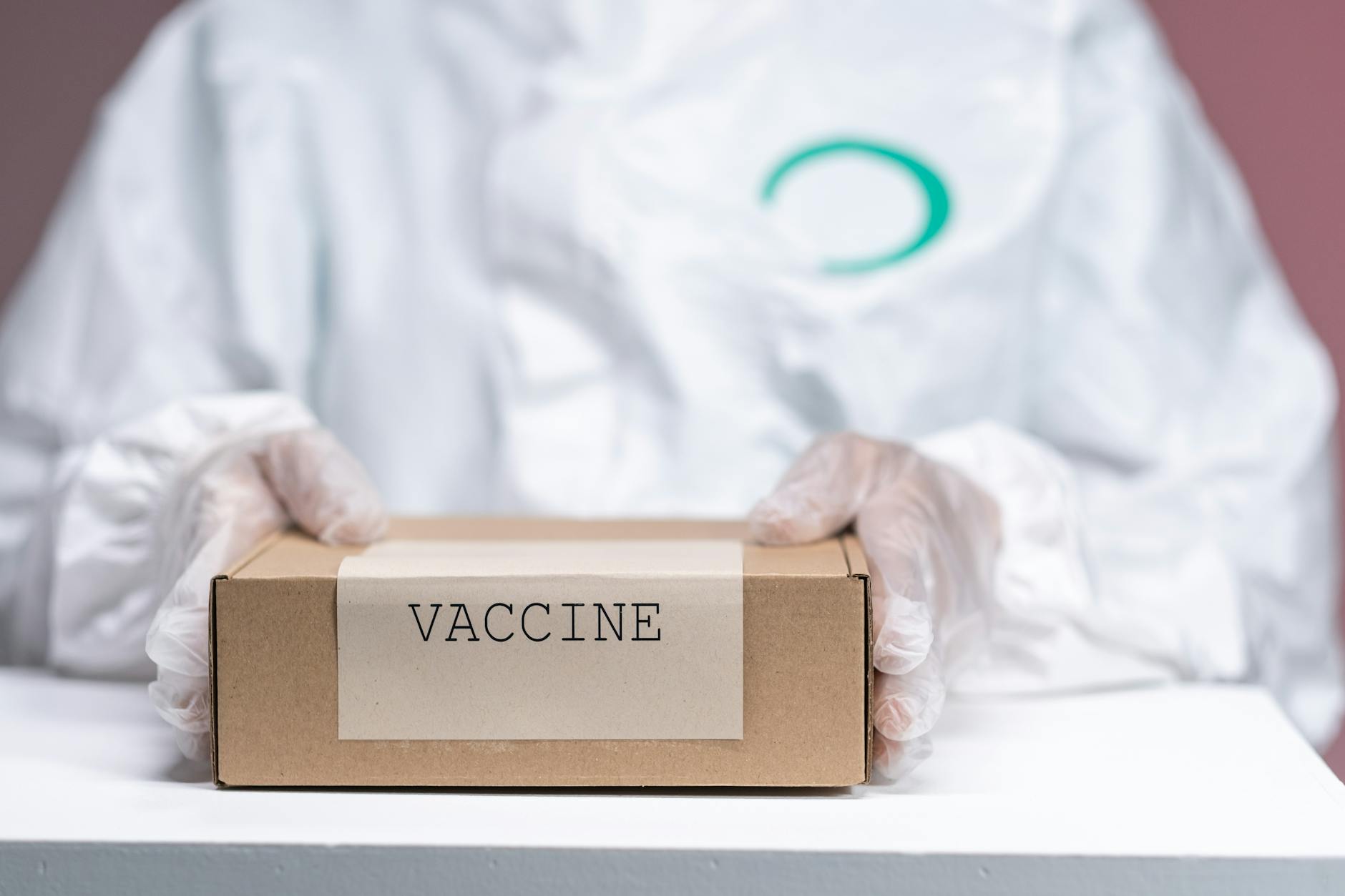
One of the brightest spots in global health has been the work of Gavi, the Vaccine Alliance. Since its inception in 2000, Gavi has been a cornerstone of vaccine delivery, particularly in low-income countries. Vaccinating over a billion children and preventing an estimated 17 million deaths, Gavi's efforts highlight the critical role of vaccines in combating infectious diseases.
However, maintaining these vaccination rates requires continuous funding and political support. Any disruption in this finely tuned system could lead to a resurgence of diseases once thought to be on the brink of eradication.
Looking Ahead
The concept of 'global health and wellbeing' is increasingly being viewed through the lens of neartermism, focusing on immediate impacts rather than long-term potentialities. This approach contrasts with longtermism, which seeks to shape humanity's distant future. Yet, both perspectives underscore the importance of addressing immediate health challenges to secure sustainable benefits for future generations.
Air pollution and non-communicable diseases (NCDs) continue to dominate health discussions, with air quality being recognised as a significant driver of NCDs and a critical area for climate action.
The coming years will test the resilience of global health systems. With strategic planning and unwavering international support, the progress of the past decade can be preserved and built upon, ensuring that the gains in human health are not simply a fleeting victory.