Protests Escalate as Indian Youth Congress Demands Education Minister's Resignation
The streets of India are heating up as the Indian Youth Congress (IYC) intensifies its call for the resignation of Union Education Minister Dharmendra Pradhan. The demand comes amid allegations of irregularities in competitive examinations, most notably the recent NEET paper leak.
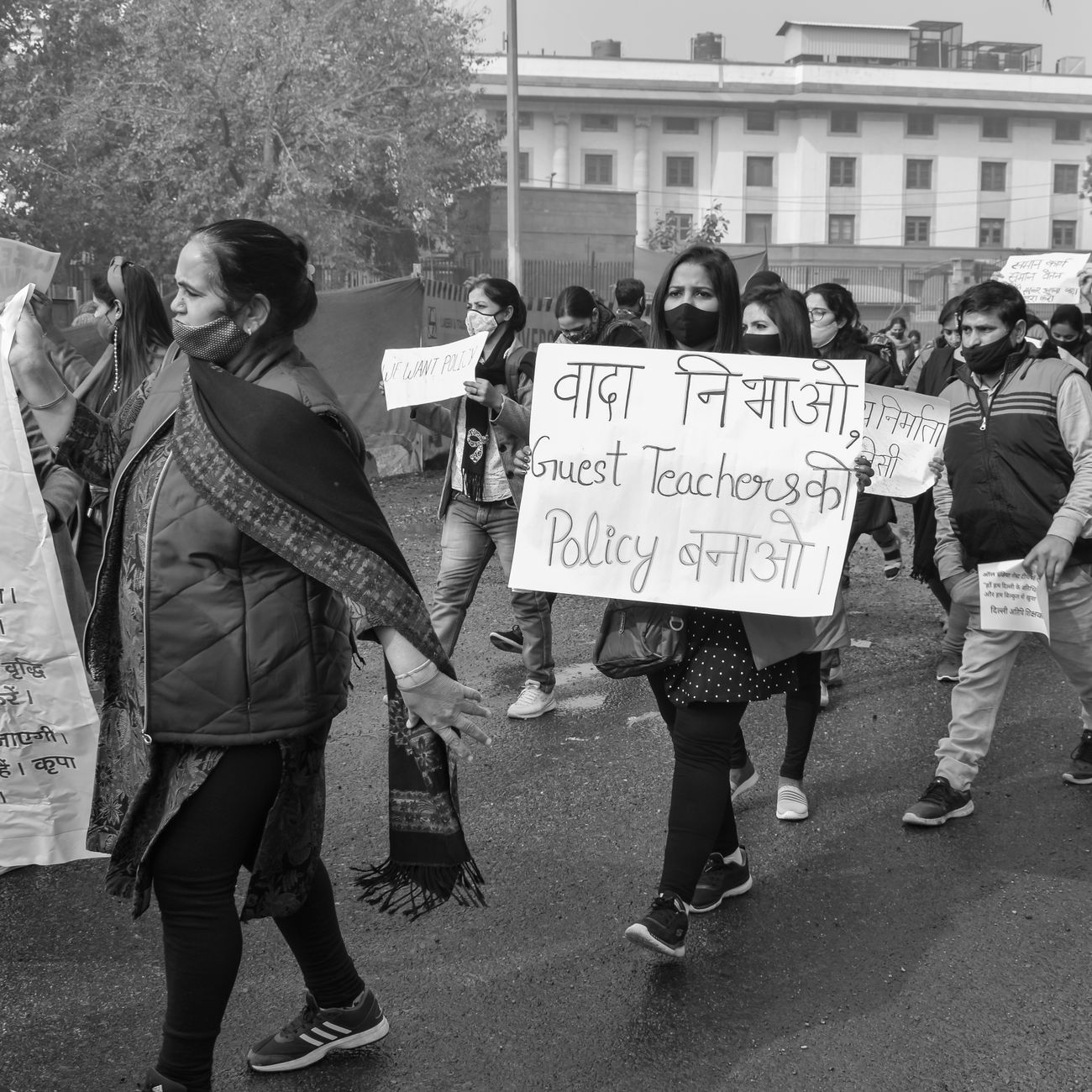
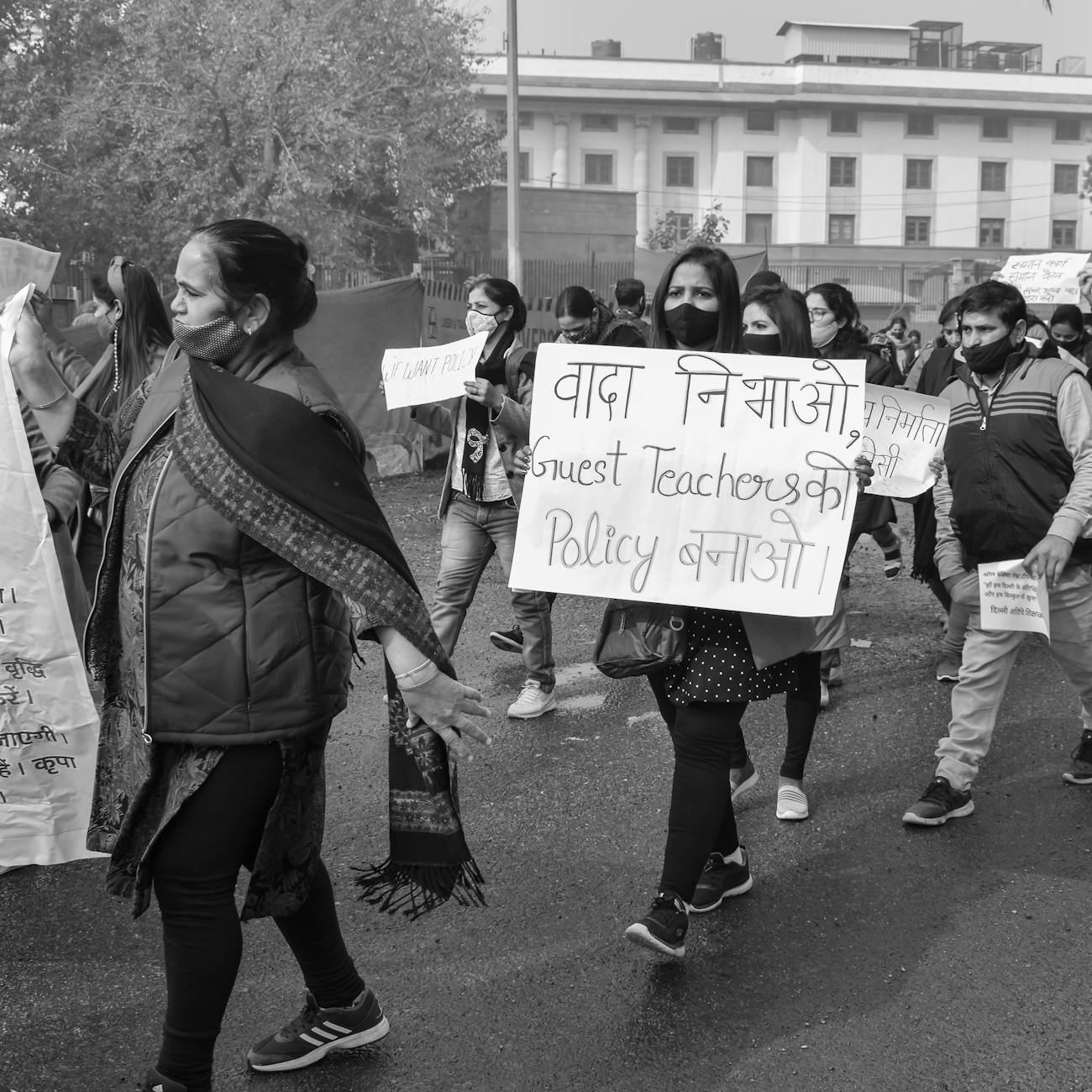
In a move that echoes the simmering discontent among students, the IYC has organised a series of nationwide protests. These include torchlight marches, student outreach programmes, and district-level gatherings. The protests are not merely symbolic; they represent a growing frustration over what is perceived as systemic failures within the education sector.
Rallying Support Nationwide
The campaign has gained momentum with the involvement of prominent figures like Abhijeet Dipke, founder of the Cockroach Janata Party (CJP), who returned to India to bolster the protest efforts. Scheduled to take place at Delhi's Jantar Mantar, the demonstrations aim to galvanise public opinion and exert pressure on the government.
Adding to the gravity of the situation, activist Sonam Wangchuk is set to join the June 6 protest. His participation underscores the widespread dissatisfaction with the current handling of educational affairs.
Minister's Response
Dharmendra Pradhan has acknowledged the 'unfortunate breach' in the examination process, admitting the mental distress caused to countless students. In response, he has promised a secure re-test on June 21 and announced a significant shift to Computer-Based Testing (CBT) for NEET-UG exams from 2027. This change is touted as a measure to minimise risks of future leaks.
Despite these assurances, the IYC remains adamant that the minister's resignation is the only acceptable remedy. They argue that mere policy changes are insufficient to restore confidence in the system.
The unfolding events highlight a critical juncture in India's educational landscape, where trust and integrity are now the central themes of public discourse. As students and activists rally, the government's next moves will be closely scrutinised by a nation eager for reform.