Protests Ignite as Pakistan's Education Privatisation Plan Faces Backlash
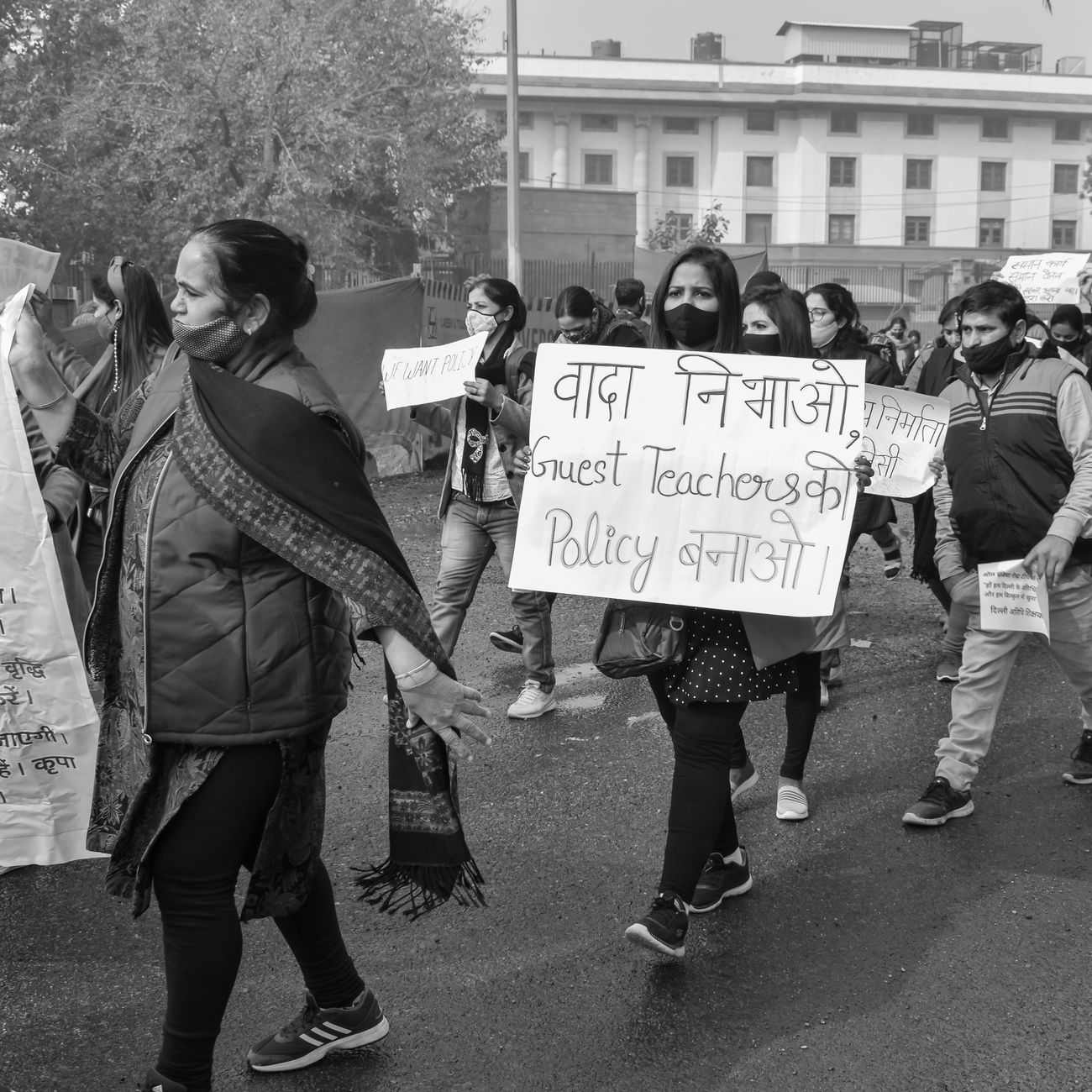
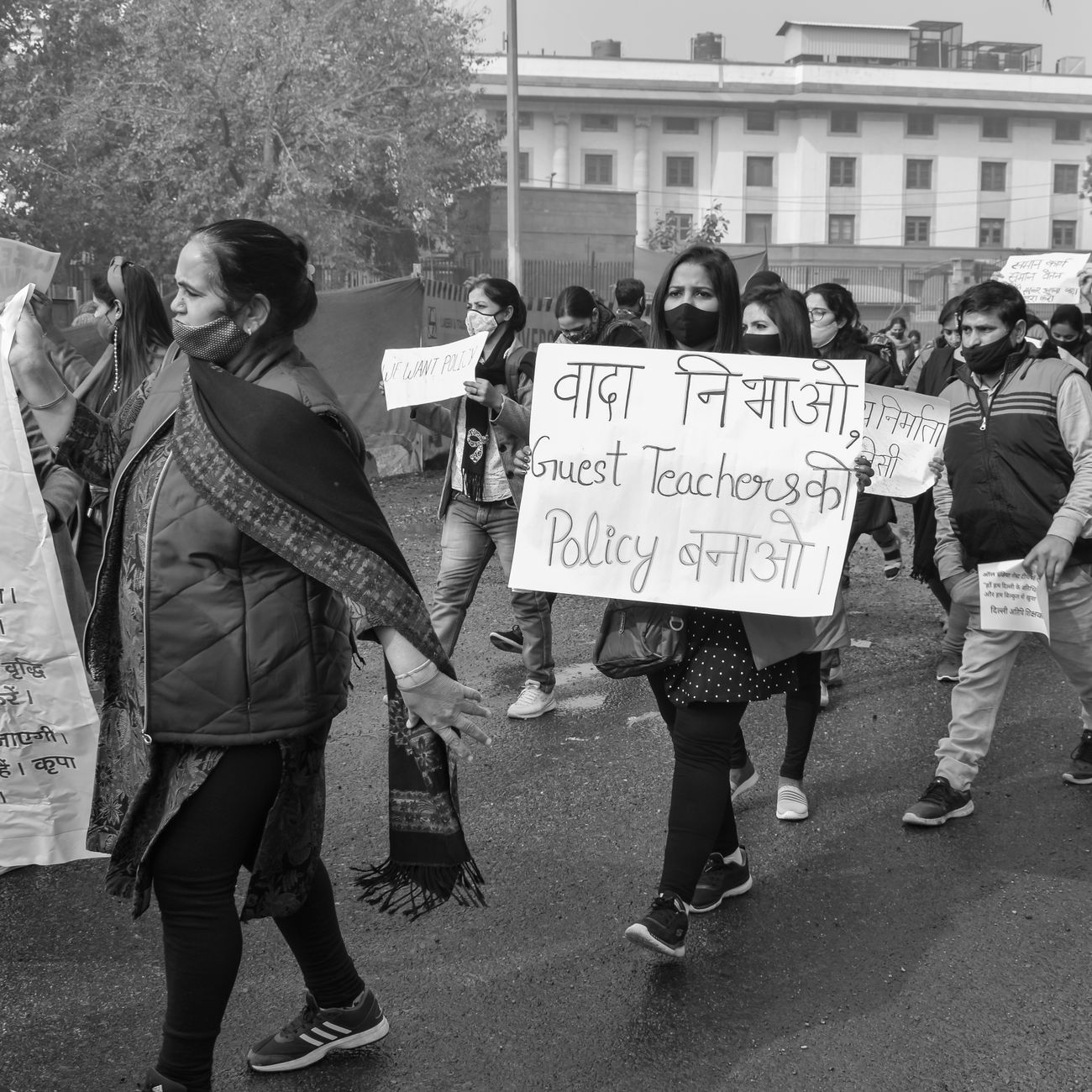
In a potent display of defiance, teachers in Pakistan have taken to the streets of Karachi and Lahore, protesting against the government's plans to privatise public education. The demonstrations, marked by passionate speeches and placards adorned with demands for justice, underscore the growing discontent amongst educators nationwide.
The push towards privatisation is part of a broader economic strategy by the government. Proponents argue it could alleviate financial burdens, citing past reductions in poverty rates linked to similar initiatives. Yet, the promise of economic efficiency offers little solace to those on the ground, who fear the erosion of accessible education.
Central to the unrest is the plight of nearly 50,000 students at Karachi University. Their academic futures hang in the balance as teachers, embroiled in disputes over months-long unpaid wages, boycott semester examinations. The situation has become a flashpoint for broader grievances, including concerns over job security and the integrity of public schooling.
Privatisation and Public Schooling
Critics of the privatisation scheme argue it disproportionately affects lower-income families, who could find quality education slipping out of reach. The teachers' unions have been vocal, warning that such measures may widen the gap between rich and poor, creating a two-tiered education system.
The Sindh province has become a focal point of resistance, with the Karachi University teachers’ union taking a hard stance. Their refusal to conduct exams reflects a deeper frustration with the government's apparent disregard for their financial and professional well-being. The protests have also highlighted issues like leave encashment and contract tenure, which add layers to the complexity of the crisis.
As the nation watches, the government faces mounting pressure to address these concerns before the situation spirals further. The education sector, already stretched thin, cannot afford prolonged disruptions, and the students caught in the middle face an uncertain academic future.
The Road Ahead
While the government remains steadfast, the teachers' resolve appears unyielding. Plans for further demonstrations are already taking shape, signalling a prolonged struggle. Whether dialogue can bridge the chasm between policy and practice remains to be seen, but for now, the streets of Karachi and Lahore echo with calls for change.