Protests Mount as Cockroach Party Demands Education Minister's Resignation
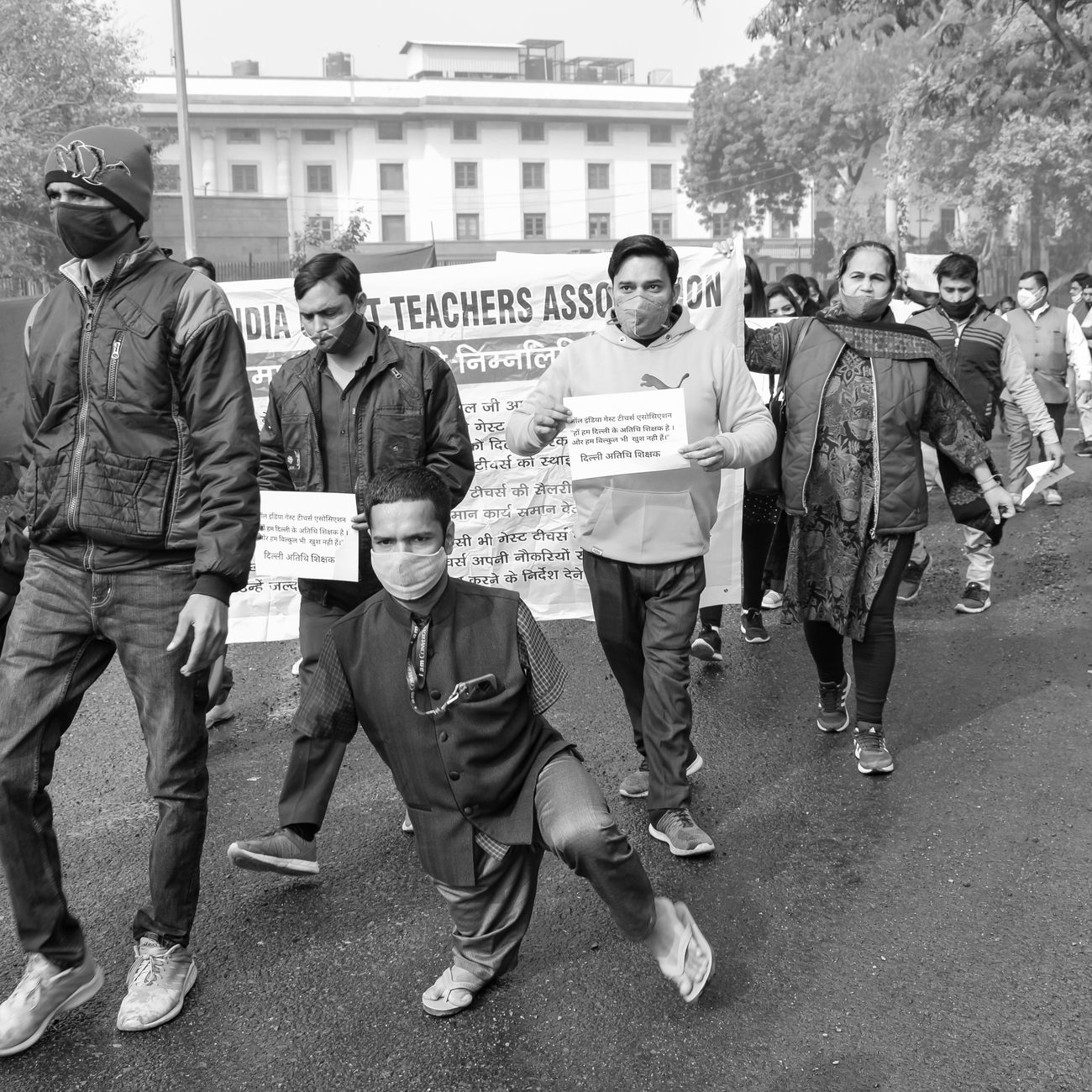
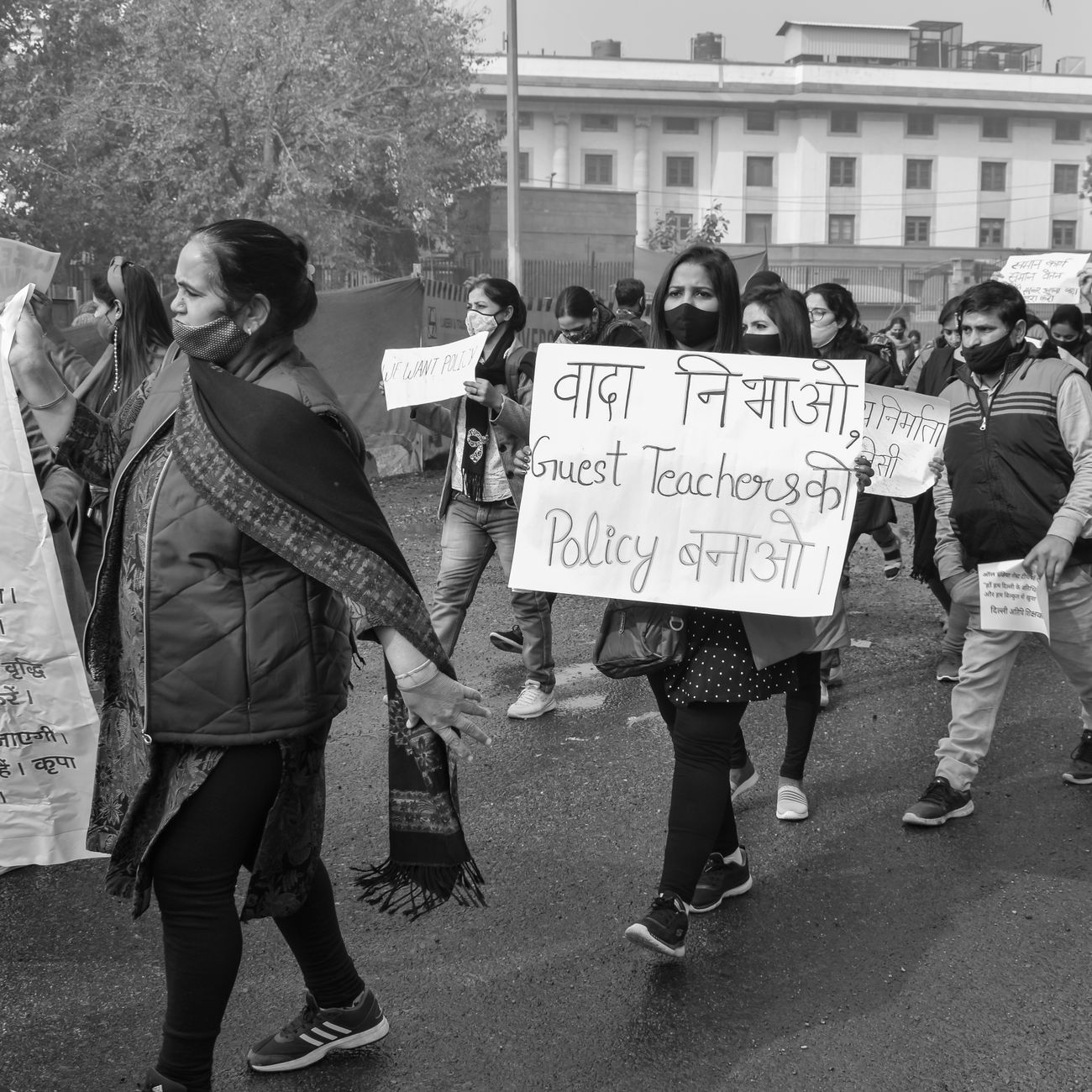
In the heart of New Delhi, under the oppressive summer heat, a peculiar congregation has captured the nation’s attention. For nearly two weeks, members of the Cockroach Janta Party (CJP), a youth-centric political movement, have camped at Jantar Mantar. Their demand is straightforward yet resolute: the resignation of Education Minister Dharmendra Pradhan.
The protest stems from grievances over a recent leak of the NEET-UG examination paper, a pivotal test for India’s aspiring medical students. The CJP, along with a growing number of supporters, accuses Pradhan of failing to safeguard the integrity of the educational system.
Symbolic Protests and Political Backing
Adding gravity to the demonstrations, a prominent activist has embarked on a hunger strike, underscoring the urgency of their demands. Meanwhile, Prime Minister Narendra Modi’s birthday wishes to Pradhan have been interpreted as a tacit endorsement, which has only fuelled the protesters’ resolve.
With whispers of an impending cabinet reshuffle, speculation is rife regarding Pradhan’s future. His potential ousting could serve as a political manoeuvre to quell unrest, but it also risks setting a precedent of ministerial accountability under public pressure.
A Test of Government Resolve
As the sit-in continues, the government must weigh its options carefully. On one hand, maintaining Pradhan in his role could be perceived as a stance against capitulating to populist demands. On the other, addressing the protesters' concerns might help avert further political instability.
For the CJP, this protest is not merely about one examination or one minister. It is a broader call for transparency and accountability in a system that is often criticised for its opacity. As India watches, the outcome of this protest could very well set the tone for future youth-led political movements.