Punjab Schools Embark on Ambitious Menstrual Health Initiative
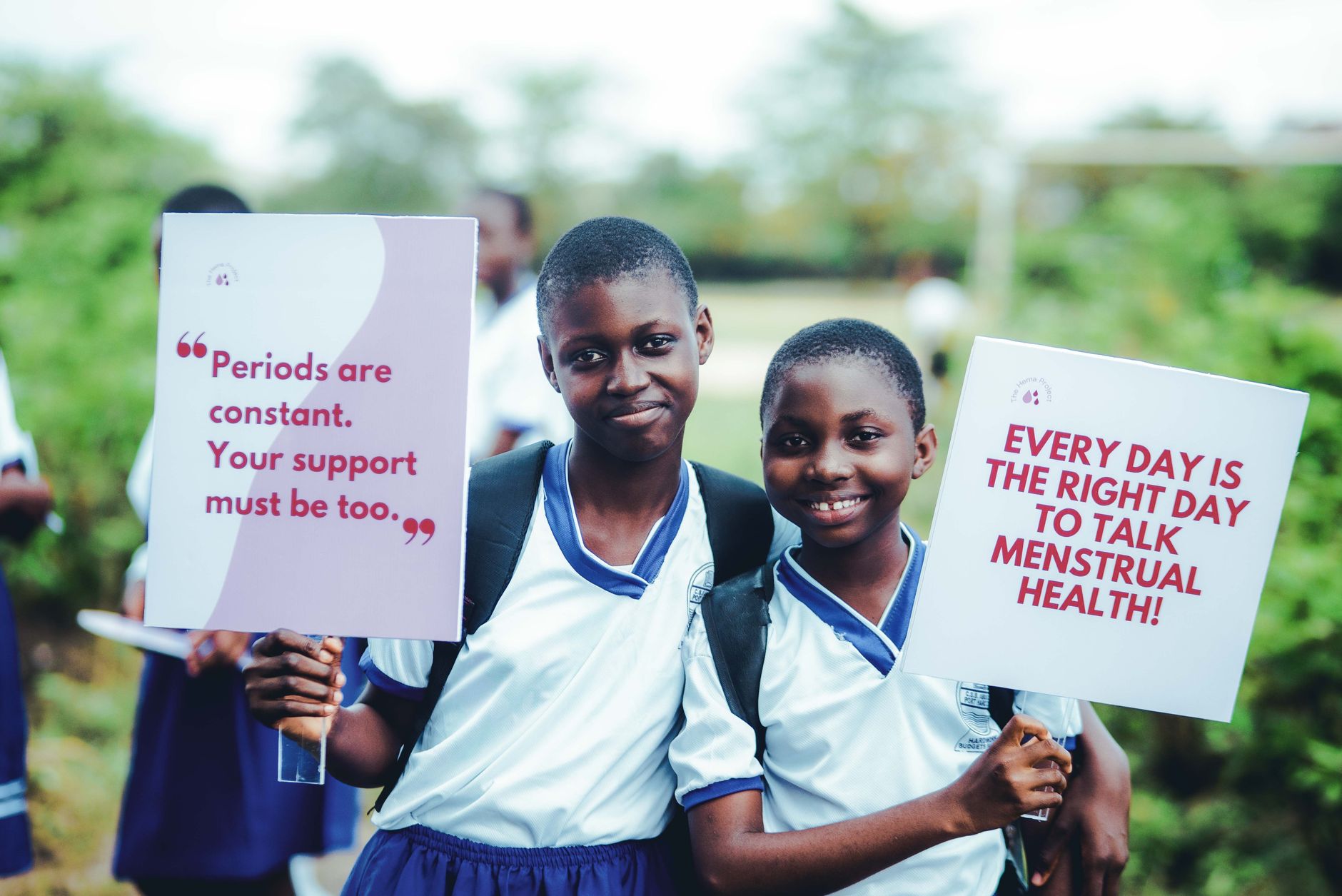
Punctuated by the sound of ringing school bells and the eager chatter of students, Punjab's educational institutions are now at the forefront of a new movement. The Aam Aadmi Party (AAP) government has embarked on a significant initiative to introduce menstrual health education across the state's schools. This move, aimed at reducing stigma and fostering a culture of awareness, has been praised by educators and health experts alike.
For years, the subject of menstruation has been shrouded in silence and misunderstanding, often leading to shame and misinformation among young girls. The AAP government's programme intends to change this narrative by integrating menstrual health education into the school curriculum. This approach is not merely about providing information; it is about creating an environment where discussion is encouraged and supported.
Breaking the Silence
The initiative is part of a broader strategy to tackle gender-related health issues in education. By addressing menstrual health openly, the programme aims to dissolve the taboos that have historically surrounded the topic. Workshops, interactive sessions, and educational materials tailored to various age groups are being employed to ensure that the message reaches both students and teachers effectively.
Moreover, there is a concerted effort to involve boys in these discussions, recognising that true change comes from collective understanding and support. Boys and girls alike are encouraged to engage with the material, ask questions, and become allies in creating a more informed and empathetic atmosphere.
A Step Towards Equality
The impact of such an initiative extends beyond the classroom. By educating young people about menstrual health, the AAP government is contributing to a larger societal shift towards gender equality. Educators argue that when students are informed, they are empowered to make better health decisions and advocate for themselves and others.
While the programme is still in its early stages, it has already sparked conversations within communities and prompted other states to consider similar measures. The AAP government’s bold move serves as a reminder that education is not just about textbooks and exams, but about preparing young individuals for the complexities of life.
As the initiative unfolds, it is hoped that the lessons learned in Punjab will inspire a nationwide rethinking of how menstrual health is approached in schools across India. For now, Punjab’s classrooms are leading the way, proving that with the right tools and mindset, change is possible.