Punjab's Educational Renaissance: From Laggards to Leaders
Punjab's ascent to the pinnacle of India's school education rankings is nothing short of remarkable. Just a few years ago, the state languished at the 27th position, a far cry from its current status as the best-performing state in the NITI Aayog's Education Quality Report 2026. This dramatic turnaround can be largely credited to the proactive measures implemented by the Aam Aadmi Party (AAP) since it assumed office in 2022.
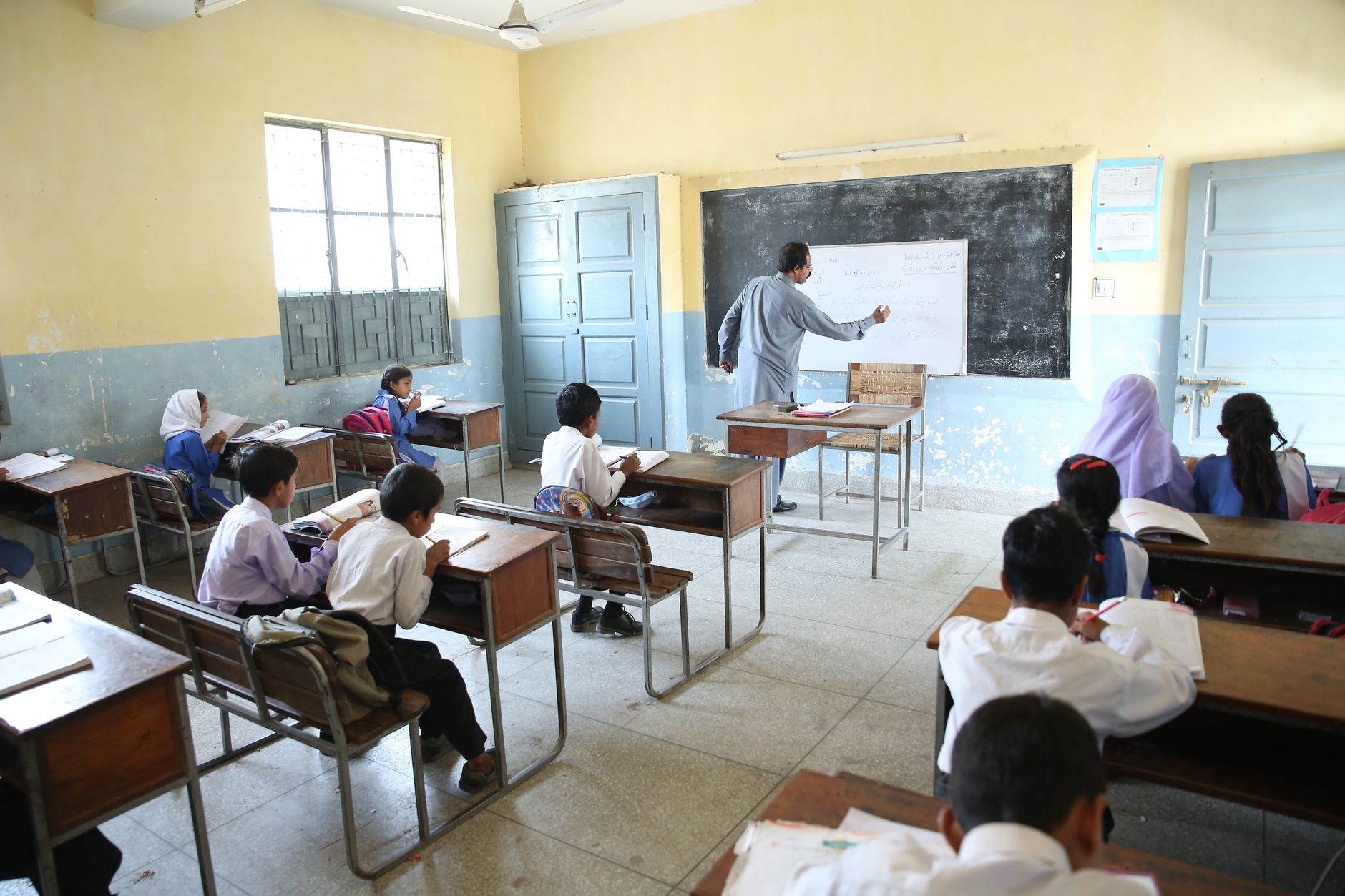
From the outset, the AAP government in Punjab identified education as a cornerstone of its governance agenda. The administration channelled substantial resources into refurbishing school infrastructure, enhancing teacher training programmes, and implementing technology-driven solutions to streamline the education process. This multi-pronged approach, aimed at addressing both qualitative and quantitative aspects of education, has evidently borne fruit.
Strategic Initiatives
Among the numerous initiatives, the 'Smart School' project stands out. This initiative prioritized the digitisation of classrooms, equipping them with modern learning tools and internet connectivity. The focus was not merely on superficial upgrades but rather on creating an environment conducive to both teaching and learning.
Moreover, the recruitment of trained educators and the introduction of performance-based incentives have played a crucial role in raising teaching standards. The government also launched various outreach programmes to increase enrolment and reduce dropout rates, particularly in rural and underserved areas.
Implications for the Future
Punjab's achievement serves as a case study for other states striving to overhaul their educational frameworks. While Kerala has long been the benchmark for educational excellence in India, Punjab's success story demonstrates that with the right focus and investment, dramatic improvements are possible even in a relatively short time span.
The state's journey from 27th to 1st place is not just a testament to effective policy implementation but also a beacon of hope for educational reform across India. As states look to replicate Punjab's success, the emphasis will likely be on understanding the nuances of its strategy and adapting them to their unique challenges.
In conclusion, Punjab's educational renaissance is a triumph of vision, investment, and execution, illustrating that systemic change is within reach through concerted effort and innovative policy-making.