Putin Seeks Stronger ASEAN Ties Amid Western Pressures
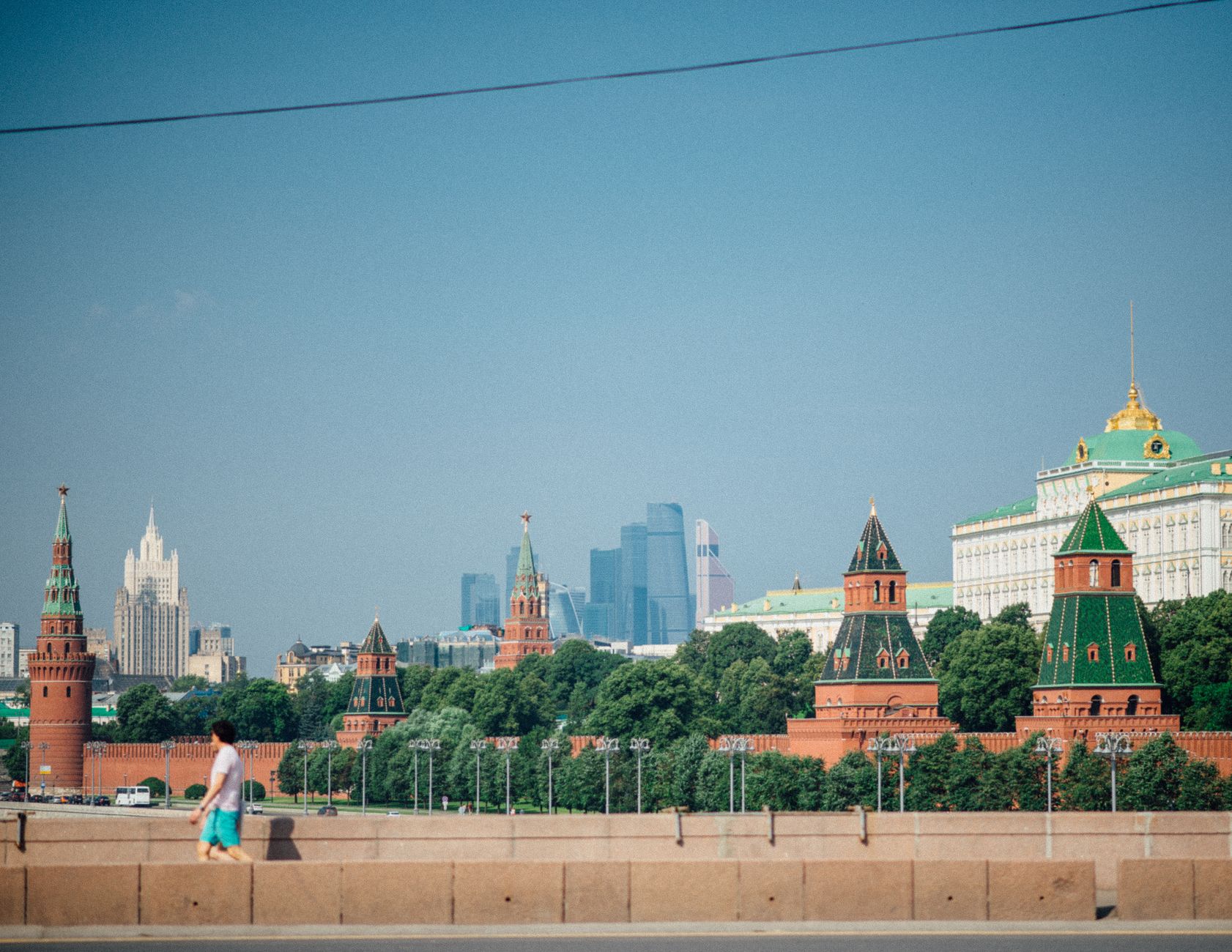
The city of Kazan found itself in the geopolitical spotlight this week, as Russian President Vladimir Putin welcomed leaders of the Association of Southeast Asian Nations (ASEAN). This gathering comes at a time when Moscow is keen to fortify its ties with Asia, amidst increasing isolation from the West due to its actions in Ukraine.
Energy security, a matter of paramount importance, featured prominently on the summit's agenda. With Russia grappling under international sanctions, securing new markets and partnerships has become crucial. The ASEAN bloc, with its burgeoning economies, represents a significant opportunity for Moscow to diversify its economic relations.
Strategic Realignment
At the heart of these discussions lies a strategic realignment. Russia, traditionally more focused on Europe, is pivoting towards Asia to counteract Western pressures. This shift is not merely economic but also political, as Moscow seeks to cultivate alliances that could provide it with the diplomatic support it needs on the global stage.
For ASEAN nations, the summit offers a chance to engage with Russia beyond the traditional confines of energy deals. With the global economy in flux, diversifying trade partnerships is a priority for these countries as well. The summit thus serves as a mutual opportunity for both sides to explore new avenues of cooperation.
The Road Ahead
While the summit's immediate outcomes may remain under wraps, its implications are far-reaching. As global power dynamics shift, the strengthening of Russia-ASEAN ties could have significant consequences. For the West, this burgeoning partnership serves as a reminder of the complex web of international relations, wherein old alliances can be quickly reshaped.
However, the road ahead is fraught with challenges. ASEAN nations must carefully navigate their relationships with both the West and Russia, ensuring that they do not become pawns in broader geopolitical games. As for Putin, the success of this summit will depend on his ability to transform these diplomatic engagements into tangible economic benefits.