Qatar's Economic Strain as Iran Conflict Shuts Down Gas Exports
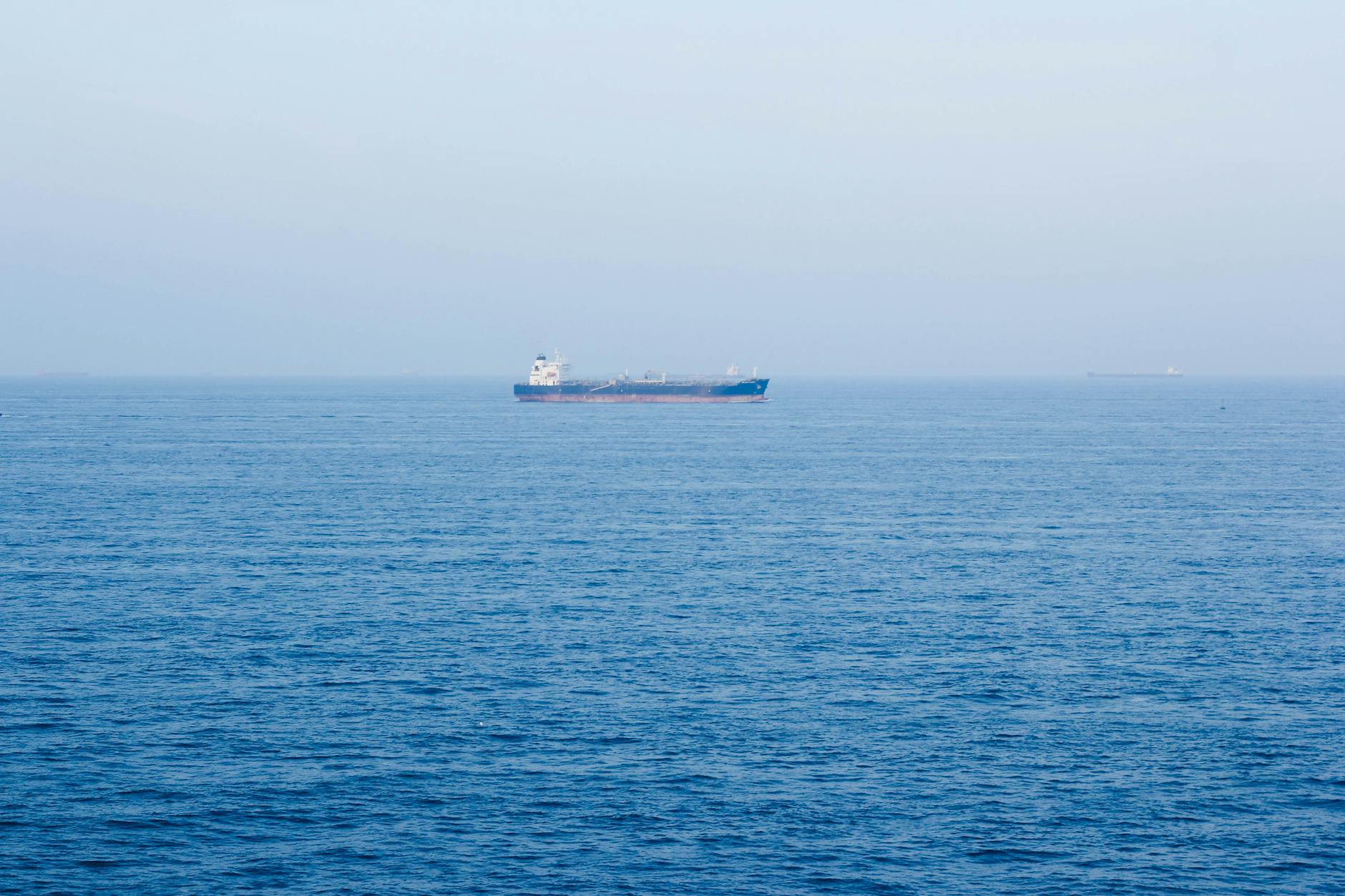
As the azure waters of the Persian Gulf lap gently against its shores, Qatar finds itself ensnared in turbulent geopolitical tides. Once heralded as a beacon of prosperity, the nation now grapples with economic stagnation amidst the Iran conflict, its lifeline choked by the closure of the Strait of Hormuz.
This vital artery for global energy supplies has become a flashpoint, with Iranian military manoeuvres effectively halting Qatar’s gas exports. For a country whose wealth is deeply entwined with its energy reserves, the consequences have been dire. Gas tankers, once a common sight, now languish at docks, as the nation’s economic engine sputters.
Economic Pivots in Jeopardy
Qatar had ambitious plans to diversify its economy, shifting from energy dependency to becoming a hub for tourism and international business. However, the blockade has thrown a spanner in the works. The anticipated influx of tourists and business ventures has dwindled to a trickle, as uncertainty looms large.
Efforts to transform the nation into a financial centre akin to Dubai or Singapore are now in jeopardy. The sheen of new hotels and business parks fades as investors grow wary. The government, while resilient, faces mounting pressure to stabilise the situation and reassure global markets.
Global Ramifications
The conflict's impact extends beyond Qatar’s borders. Global energy markets are jittery, with prices fluctuating on news of the embargo. Nations reliant on Qatari gas find themselves scrambling for alternatives, illustrating the interconnectedness of modern economies.
As diplomatic efforts continue in the shadows, the world watches closely. The outcome of this crisis could reshape alliances and economic strategies in the region for years to come, underscoring the precarious balance of power in the Middle East.